
3 Fasting Mistakes That Ruin Your Blood Work Accuracy
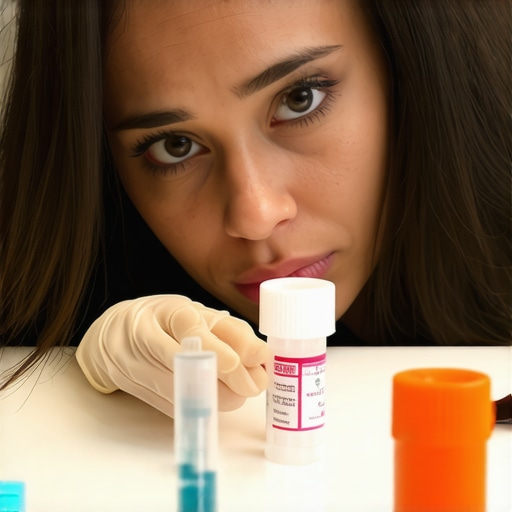
I remember the first time I tried to interpret my blood test results after a weekend of skipping meals and indulging in late-night snacks. The numbers looked confusing, and I couldn’t shake off the feeling that I was missing something vital. That realization was a lightbulb moment for me — fasting is more complicated than just not eating; small mistakes can distort the picture our blood work paints.
Why Your Fasting Routine Could Be Sabotaging Your Blood Results
Many of us assume that fasting is straightforward: skip breakfast, get tested, and trust the numbers. But in reality, little missteps can significantly impact the accuracy of blood tests, leading to potential misdiagnoses or unnecessary worry. For example, consuming even a sip of coffee or a handful of nuts before a fasting test can alter key markers like glucose and lipids. These inaccuracies might cause you to chase the wrong health issues, or worse, miss early warning signs.
Early in my journey, I made a critical mistake that many do — I didn’t maintain consistent fasting durations. Sometimes I fasted for 8 hours, other times only 6. It might seem trivial, but this inconsistency can change the results enough to throw off your health assessments. Trust me, understanding how to fast properly is essential if you want reliable data.
It’s easy to underestimate how much these small errors matter. A study published in the Journal of Clinical Lipidology reveals that incorrect fasting protocols can lead to misclassification of cardiovascular risk. This makes it clear that your fasting practices aren’t just a matter of habit—they directly influence your health story.
In this post, we’ll dig into the three most common fasting mistakes that could be skewing your blood work and, more importantly, how to avoid them. By the end, you’ll have clear, practical steps to get the most accurate readings possible, empowering you to make better health decisions. Ready to uncover the truth behind those numbers? Let’s get started.
Choose a Clear Fasting Window and Stick to It
Start by selecting a consistent fasting duration—ideally 8 to 12 hours—and maintain this pattern for every test. During my first attempt, I kept varying between 6 and 9 hours, which led to inconsistent results. Now, I set an alarm to remind me to stop eating at 10 pm and schedule my blood tests for early morning, ensuring a uniform fasting period. This consistency improves the reliability of your results, making it easier to track changes over time.
Optimize Your Last Meal for Minimal Impact
Eat a balanced, low-fat, low-sugar dinner a few hours before fasting begins. Avoid high-carb or salty foods that can influence blood pressure or glucose levels. I once consumed a heavy, salty pizza at midnight, which unexpectedly elevated my blood pressure readings the next day. Now, I choose a light, nutritious dinner to avoid such fluctuations, ensuring your baseline remains stable.
Hydrate Strategically Without Breaking Your Fast
Drink plenty of water during your fasting period. Plain water helps flush your system without affecting blood markers. I consider water my secret weapon—staying well-hydrated kept my veins accessible and reduced test anxiety. Avoid flavored or caloric drinks, as they can interfere with test accuracy. This simple step ensures you’re neither dehydrated nor inadvertently consuming calories that could skew your results.
Avoid Substances That Skew Test Markers
Refrain from coffee, tea, or nicotine before fasting, as these can affect glucose and cortisol levels. I made the mistake of having a black coffee in the morning, which spiked my fasting glucose, leading to unnecessary concern. Now, I switch to plain water until after my blood draw, ensuring the readings reflect my true baseline. Also, steer clear of snacks or chewing gum—these can trigger insulin responses and distort results.
Timing and Preparation for the Test Day
Schedule your test early in the morning, post-fasting, to minimize variables. Leave enough time post-waking to hydrate and relax before blood draw. On one occasion, I rushed into the clinic immediately after waking, which increased my stress and slightly altered my cortisol levels. Next time, I arrive 15 minutes early, hydrate, and take deep breaths—keeping my stress minimal ensures more accurate results. Remember, physical activity should be avoided before testing, as exercise temporarily alters markers like glucose and lipids.
Maintain Consistency and Record Your Patterns
Keep a detailed log of your fasting times, last meal, hydration, and any substances consumed. I started documenting these details after realizing minor variations impacted my readings. This record helps identify patterns—such as late-night snacking or inconsistent fasting—that could explain unexpected results. Consistency in your routine makes it easier to interpret your results and track health progress accurately.
Leverage Telehealth and Lab Testing Resources
Use telehealth platforms for guidance on preparing for blood tests and understanding results. Many virtual clinics, like these services, offer personalized advice to optimize testing protocols. Additionally, consider digitalizing your vaccination and lab records to facilitate smooth testing and follow-up, which can be managed remotely for increased convenience.
Many assume that embracing telehealth and modern wellness tools automatically leads to better health insights, but the reality is more nuanced. For instance, a prevalent myth is that virtual consultations replace comprehensive in-person evaluations. While telehealth offers convenience, relying solely on virtual visits without understanding their limitations can result in overlooked nuances. Studies, such as those referenced in this article, highlight that some conditions demand tactile assessments or advanced diagnostics that can’t be fully captured online.
Another misconception revolves around vaccinations. Many believe that getting annual shots is a simple, one-size-fits-all solution. However, vaccine timing and type should be personalized based on lifestyle, health status, and even regional disease prevalence. Missed or delayed vaccinations can leave gaps in immunity, and assuming universal schedules can be risky. As discussed in this post, personalized vaccination planning maximizes protection and minimizes unnecessary interventions.
When it comes to lab tests, many overlook the importance of choosing the right markers and understanding their intricacies. Frequent errors include interpreting results without considering contextual factors such as hydration status, fasting state, or recent physical activity. For example, some individuals misread lipid panel results, not realizing that recent exercise can temporarily alter triglyceride levels. A deeper dive into lab test interpretation can reveal hidden risks or affirm the need for targeted testing, which is crucial in personalized health plans.
What advanced mistakes do most people make in wellness strategies?
One subtle trap is the overreliance on checklists and generic advice instead of tailored plans. While routine testing and vaccinations are good, neglecting the unique physiological and environmental nuances of your body often leads to ineffective efforts. For example, a person might increase supplements without understanding their specific deficiencies or overshoot their exercise intensity, risking burnout or injury. Consulting experts through platforms like this resource can help craft a nuanced, effective wellness roadmap.
In summary, the key is to avoid oversimplified assumptions and seek personalized, evidence-based strategies. Failing to do so might mean missing the real story behind your health metrics or interventions. Be vigilant about the nuances, and always question if a one-size-fits-all approach applies to you. Have you ever fallen into this trap? Let me know in the comments.
Maintaining an effective health and wellness routine requires the right combination of technology, consistent practice, and reliable resources. One crucial aspect is using tools that adapt to your evolving needs and help you stay organized and informed. I personally rely on a combination of digital platforms and quality equipment to ensure my wellness efforts are sustainable and scalable.
A cornerstone tool I recommend is a comprehensive health app, such as MyFitnessPal or Cronometer, which allows meticulous tracking of diet, hydration, exercise, and sleep patterns. I use these platforms daily because they not only provide insights into my habits but also help identify patterns that might affect test results or vaccination schedules. For instance, documenting my vitamin intake helps me avoid excesses that could interfere with laboratory markers.
For blood testing and lab result management, I find digital lab portals invaluable. Many labs now offer secure online access to your test results, enabling you to monitor changes over time without the hassle of paper records. I’ve also started digitalizing my vaccination records using apps designed for health documentation. This practice simplifies scheduling and ensures I always have access to my immunization status when needed—especially valuable in today’s increasingly mobile world.
In terms of equipment, I recommend investing in a quality blood pressure monitor, such as the Omron Elite, which connects seamlessly to your smartphone. Regularly checking your blood pressure at home empowers you to track the effects of lifestyle modifications and medication adjustments. This continuous monitoring complements routine lab testing, offering a fuller picture of your health.
As telehealth continues to evolve, I use trusted platforms to consult health professionals remotely. These services are increasingly personalized; after initial setup, they enable ongoing check-ins, which are especially helpful for managing chronic wellness goals. For example, via virtual visits, I get personalized vaccination schedules and immunization advice tailored to my lifestyle, rather than relying on generic timing recommendations—a practice supported by recent telehealth insights.
How do I maintain progress over time?
To keep my wellness routine sustainable, I set regular reminders to review my data and adapt my practices to new insights. The future of wellness tools is headed toward more integrations—combining lab data, activity trackers, and diet logs into unified platforms. This integration will undoubtedly make long-term maintenance more intuitive and responsive.
For example, integrating lab results with app-based dietary recommendations allows me to fine-tune my nutrient intake based on real-time data. This personalized approach is emphasized in scientific reviews, like those compiled by comprehensive sources such as this resource. Currently, the trend leans toward AI-powered platforms that analyze your health data holistically, offering tailored suggestions.
Curious about how to keep all these tools working harmoniously? Start by choosing a reliable health app and commit to consistent data entry. Use your digital lab records to track trends and adjust routines accordingly. Additionally, investing in a good home monitoring device ensures you stay proactive about your health.
Embrace these modern tools today—try syncing your lab results with your app and see how your insights multiply. The goal is to create a self-sustaining cycle of health awareness that adapts as you go. Integrating these strategies makes maintaining your wellness routine both feasible and scalable as your needs evolve.
The Hidden Lessons Behind My Testing Mistakes
One valuable lesson I learned is that consistency in fasting isn’t just about discipline—it’s about trust in your results. Small deviations, like a glass of juice or a late-night snack, can cloud the picture of your health. Understanding this helped me realize that personal habits directly influence medical insights, and embracing meticulous routines offers clarity for genuine progress.
Another insight is that every element in your pre-test routine matters. From hydration to the foods you choose, each factor can tip the scales of accuracy. Recognizing these subtle influences empowered me to take control and avoid unnecessary worry or misdiagnosis based on skewed data.
The most profound discovery was appreciating the importance of personalized strategies. A one-size-fits-all approach to wellness—whether about fasting, vaccinations, or lab testing—can lead to gaps in health understanding. Tailoring routines based on my body’s responses transformed how I interpret results and plan my next steps.
My Go-To Resources for Smarter Health Decisions
For reliable, expert guidance, I rely on platforms like this vaccination resource. It helps me craft personalized immunization schedules that fit my lifestyle. When it comes to telehealth, I trust this insight for understanding how remote consultations can enhance my wellness journey. For insights into lab tests, this resource demystifies the nuances behind interpreting results, helping me make informed decisions. Lastly, combining these tools with trusted apps like Cronometer keeps my health data organized and actionable, making progress measurable and sustainable.
Your Journey Starts Here—Take Charge Today
Remember, embracing these personalized, knowledge-driven strategies turns health routines from chores into empowering practices. The path to better health involves continuous learning, smart tools, and a curious mindset. Now is the perfect moment to refine your fasting routines, optimize your vaccination plans, and harness the power of telehealth and digital records. Your future self will thank you for making these mindful choices today.