
3 Nutritional Lab Tests to Personalize Your Diet Plan
It hit me during a routine check-up—my energy was unpredictable, my mood swings wereirk, and despite trying every diet fad out there, nothing seemed to stick. Then came that lightbulb moment: what if the missing puzzle piece was hidden inside my blood? I realize now that I had been flying blind, relying on generic advice rather than personalized insights. Have you ever felt like you’re just guessing what works for your body?
Why Standard Tests Might Not Be Enough
Many of us trust the typical labs that our doctor orders, thinking they reveal the full story. But did you know that these standard panels often miss critical markers that could explain lingering fatigue, unexplained weight gain, or immune struggles? I made the mistake of assuming a normal blood work result meant everything was fine—that is, until I learned about the power of targeted wellness tests designed to uncover hidden nutrient deficiencies and metabolic imbalances.
By delving into specific tests, I started to see a clearer picture of what my body desperately needed. This approach isn’t just about catching diseases early—it’s about tailoring your diet and lifestyle to optimize your unique physiology. If you’ve ever wondered whether your diet truly supports your body’s needs, you’re not alone. Many people are missing out because they rely on one-size-fits-all solutions.
Is It Worth the Hype? Our Biggest Skepticism
I remember when I first heard about the idea that three simple lab tests could revolutionize my diet. Honestly, I was skeptical. I thought, “Is this just another health trend?” I almost ignored it, fearing it was too complicated or costly. But I soon realized that the biggest mistake was dismissing this approach without understanding its potential. After all, avoiding unnecessary tests might save money upfront, but missing critical insight can cost your health later.
Understanding the specific markers that matter—like vitamin levels, inflammation, and metabolic function—can be a game-changer. It’s about making informed decisions, not guesswork. If you’re tired of trial and error with your wellness journey, then these targeted tests could be your secret weapon. Let’s dive into how you can uncover and interpret these vital indicators to personalize your diet for better results.
Book a Targeted Blood Panel
First, identify what matters most—whether it’s hormones, inflammation, vitamin levels, or metabolic markers. Schedule a comprehensive lab test, preferably through a healthcare provider who understands personalized wellness. Think of this step like calibrating a machine before tuning it—you need precise data to adjust effectively. I once ordered a ferritin and vitamin D panel myself, and the results revealed deficiencies I hadn’t suspected, leading me to revamp my supplement routine.
Choose a Reliable Telehealth Platform
Next, select a telehealth service with a track record of accurate diagnostics and secure privacy—consider platforms that integrate well with lab testing services and offer detailed consultations. Telehealth acts like a direct line to specialists, akin to having an on-call expert evaluating your data without the need for in-person visits. This saves time and reduces the guesswork, as I experienced when discussing my thyroid and cortisol levels with an endocrinologist remotely, gaining actionable insights immediately.
Interpret Your Results Precisely
Once you have your lab results, don’t just glance at the numbers—use resources or consult professionals to understand what they mean for your unique physiology. This step reminds me of comparing an engine’s diagnostic codes—the numbers on their own are meaningless without context. For example, a slightly elevated CRP might seem insignificant, but in conjunction with other markers, it can signal chronic low-grade inflammation that hampers weight loss or energy. Learning to read these markers transforms data into tailored health strategies.
Adjust Your Diet and Lifestyle Accordingly
Based on your data, make specific dietary, supplement, and lifestyle changes. If you’re deficient in B12 or magnesium, incorporate rich foods or supplements targeting those areas. If inflammation markers are high, prioritize anti-inflammatory foods and stress management techniques. Remember, this process is iterative—regular testing helps you fine-tune your approach. I adjusted my diet after discovering my low vitamin D, switching to more sunlight exposure and supplementation, which noticeably improved my mood and immunity over a few weeks.
Leverage Telehealth for Ongoing Monitoring
Schedule follow-up tests and consultations with your telehealth provider to track your progress. Think of this as a continuous feedback loop—if your labs show improved markers, you know you’re on the right path; if not, recalibrate. For chronic conditions or complex deficiencies, ongoing virtual care offers a seamless, accessible way to stay proactive. I regularly review my markers every few months, making adjustments based on the latest data without the hassle of frequent clinic visits.
Incorporate Growth and Immunity Strategies
Integrate vaccinations and immune-boosting plans via telehealth consultations. For example, some platforms now offer customized vaccination schedules and immune assessments—these are like personalized armor for your health. I used a telehealth service to update my immunizations before international travel, combining this with lab testing to ensure I was properly protected and well-informed. Combining these strategies creates a comprehensive defense tailored specifically to your body’s needs.
 Many assume that a single lab test or a few virtual consultations can provide a complete picture of health, but in reality, there’s often a significant misconception about the depth and nuance of these tools. For instance, standard blood panels are frequently mistaken for comprehensive assessments, yet they often miss subtle markers like low-grade inflammation or early hormonal imbalances that can significantly impact well-being. Relying solely on basic tests can lead to misdiagnosis or delayed treatment, underscoring the importance of targeted, advanced testing aligned with personalized health goals.
Similarly, some believe that telehealth is only suitable for routine issues or minor concerns. However, the true power of virtual care lies in its capacity for detailed, ongoing monitoring of complex conditions and preventive health strategies. Experts highlight that telehealth platforms often integrate sophisticated lab diagnostics, enabling continuous assessment without the need for frequent in-person visits. This seamless integration can uncover hidden risks—like marginal nutrient deficiencies—that traditional in-person checkups might overlook.
When it comes to vaccinations, many think they are a one-and-done solution or rely on outdated schedules. But the hidden nuance is that immunity wanes over time, and personalized vaccination plans—tailored through detailed health data—offer more effective disease prevention. For example, recent research indicates that timing and vaccine composition should be adapted based on an individual’s current immune status, which can be precisely measured via advanced lab testing. To avoid the trap of complacency or over-reliance on generalized schedules, consider consulting a health provider familiar with individualized vaccine strategies.
Are Lab Tests Always Accurate and Complete? The Hidden Concerns
While labs are vital, many fall prey to misconceptions that all tests are created equal. In fact, the accuracy of lab results can be influenced by factors like test timing, sample handling, and the specific markers selected. Misinterpretation of results without context can lead to unnecessary anxiety or misguided interventions. A 2024 study published in the Journal of Preventive Medicine emphasizes that understanding the limitations and proper interpretation of complex lab data is crucial for truly optimizing health outcomes.
Furthermore, there’s often an overemphasis on the quantity rather than the quality of testing. A comprehensive approach involves selecting the right markers—like chronic inflammation indicators or nutrient panels—that can preempt symptomatic issues before they develop. Regularly updating and reviewing lab data with a knowledgeable professional ensures a nuanced, evolving health plan.
So, what can you do to dodge these common pitfalls? First, prioritize advanced, targeted lab testing over generic panels. Second, leverage telehealth platforms that offer expert interpretation, not just basic consults. And third, approach vaccinations with a personalized mindset—consulting professionals who tailor immunization schedules based on your current immunity status. If you’d like to learn more about how to decode your lab results or customize your healthcare plan, check out [the essential lab tests you need for accurate vaccination planning](https://vitalclinicmd.com/why-wellness-checks-are-your-first-step-to-better-health-at-945-am). Remember, real wellness isn’t achieved through shortcuts but by understanding the intricate details of your unique physiology. Have you ever fallen into this trap? Let me know in the comments.Maintaining your health journey requires reliable tools that provide accurate data and seamless tracking. One cornerstone in my toolkit is the use of advanced lab testing services that enable me to monitor vital markers regularly. I personally opt for at-home testing kits for nutrients like vitamin D and ferritin, which I then send to certified labs for quick, accurate results—saving time and reducing anxiety. To ensure consistent results, I follow strict pre-test protocols such as fasting and avoiding caffeine, which significantly improve test accuracy. When it comes to telehealth, I rely on platforms like their virtual consultations, which are integrated with lab providers for real-time data review. This integration allows me to adjust my health plan promptly—whether it’s supplement doses or lifestyle changes. Beyond testing, I use apps like MyFitnessPal to track dietary habits and sleep quality, but I ensure calibration with lab data so what I see aligns with my physiological states. This approach is backed by research indicating that combining digital tracking tools with biochemical data yields better health outcomes. Looking ahead, I predict a rise in wearable biosensors-linked monitoring devices that will offer continuous, non-invasive insights—like real-time glucose or hydration levels—further empowering self-management. If you’re serious about keeping your health wired and working, start by integrating targeted lab tests and telehealth check-ins into your routine. For example, try scheduling a comprehensive wellness panel today, and make sure to adhere to proper pre-test protocols for the most accurate results. Remember, precision in your data collection translates into precision in your health decisions. Are you ready to leverage these tools to take control of your wellness? Give it a shot and share your experience—small steps lead to big health wins! 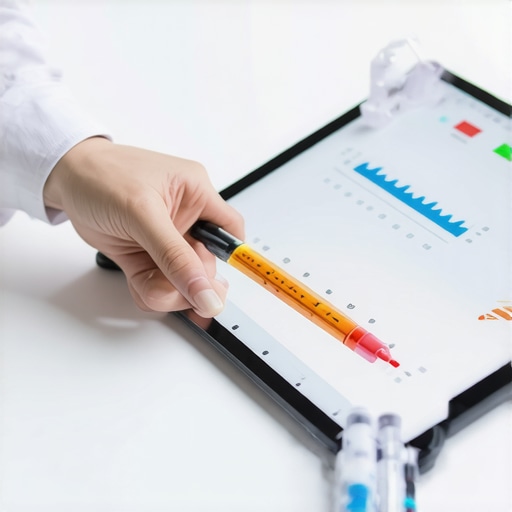
Image description: A close-up of a person using a blood test kit at home with digital tools and lab results displayed on a tablet.
Throughout my journey into personalized health strategies, I’ve uncovered certain lessons that reshaped my approach—and I want to share these insights to help you avoid common pitfalls and embrace a more precise path to wellness.
What I Wish I Knew About Hidden Health Signals
- More is Not Always Better: Relying on comprehensive standard panels might seem thorough, but without targeted testing, key issues can slip by unnoticed. I learned that specific markers like inflammation or nutrient deficiencies reveal more about my health than generic results.
- Digital Tools Are Supporting Cast, Not Main Actors: Telehealth offers incredible convenience, yet it’s the targeted lab tests that truly illuminate your health landscape. Integrating both makes my proactive care possible.
- Test Timing Matters Big Time: Fasting, time of day, and preparation influence accuracy. My mistake was neglecting pre-test protocols, leading to skewed data and confusion. Proper timing directly enhances reliability.
- Personal Data Is a Power Tool: Interpreting my results with expert guidance transformed raw numbers into actionable steps, like adjusting my vitamin D dosage or inflammation management.
- Ongoing Monitoring Is Key: Regular testing and virtual consultations create a feedback loop, enabling me to adapt quickly and stay ahead of potential issues, rather than reacting late.
The Must-Have Resources That Changed My Perspective
- Wellness tests tailored to your body: They uncover hidden deficiencies and imbalances that generic panels often miss, forming the foundation of personalized health plans.
- Telehealth platforms with integrated diagnostics: These services simplify expert interpretation and ongoing monitoring, making health management both accessible and efficient.
- Precision interpretation resources: Learning how to read your lab results empowers you to make informed, timely health decisions.
- Advanced vaccination strategies: Personalized immunization plans, especially in a busy life, protect you better and align with your current immune standing.
Your Next Step Is Closer Than You Think
Taking control of your health through targeted lab tests, intelligent telehealth utilization, and personalized vaccination strategies transforms wellness from guesswork to mastery. My advice: start small. Schedule that wellness panel, explore a virtual consultation, and commit to interpreting your results thoughtfully. The more you understand your body’s unique signals, the more empowered you’ll feel to craft a health journey that truly works for you.
What’s one area of your health where personalized data could make a real difference? Let me know below—your insight could be the turning point for someone else’s wellness story.
Remember, informed choices lead to lasting well-being. Dive into your data, leverage the right tools, and watch your health thrive!