It was a quiet afternoon when I realized I’d been putting off routine lab tests for months. The usual excuses—busy schedule, not feeling sick enough, procrastination—kept piling up until I finally felt a twinge of genuine concern. That moment hit me hard: Why was I making it so difficult to stay on top of my health? And more importantly, how could I have made it easier? If you’re like I used to be, juggling life and health can feel overwhelming, especially when accessing lab testing feels like navigating a maze of appointments and waiting rooms.
Discovering a Smarter Way to Manage Your Wellness
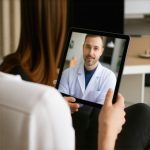
Imagine a solution that allows you to order lab tests from the comfort of your home, get quick results, and even consult with healthcare professionals without stepping into a clinic. That’s the promise of telehealth in 2026. As technology advances, more people are realizing that managing health doesn’t have to be a cumbersome, time-consuming chore. Instead, it can fit seamlessly into daily life, empowering you to catch potential issues early and stay proactive about your well-being.
Is Telehealth for Lab Tests Truly Reliable and Worth the Hype?
Early in my journey, I made the mistake of thinking all virtual health options were just a hype or not as trustworthy as visiting a provider face-to-face. It’s an understandable concern—after all, trusting your health to a screen isn’t always intuitive. But over time, I discovered that reputable telehealth services are actually revolutionizing preventive care. They utilize certified laboratories and secure platforms to ensure accuracy and privacy. For instance, many providers now work with established labs to deliver reliable results within 24 to 48 hours.
Supporting this shift, a recent study highlights how telehealth enables faster detection of hidden health risks, allowing early intervention that can save lives. Additionally, by leveraging telehealth for lab testing, you minimize exposure to germs and preserve precious time — especially during busy days or in challenging weather.
But I didn’t get here overnight. My biggest mistake was neglecting to confirm the credibility of the service I used at first. Always ensure your provider follows strict privacy policies and partners with reputable labs—this isn’t just about convenience, but your health and safety.
Ready to explore how telehealth can make regular lab testing easier and more reliable? The next sections will guide you through the key reasons why this approach is becoming the backbone of personal wellness in 2026, along with practical tips to get started.
Choose Reputable Telehealth Services
Start by identifying telehealth providers that partner with certified labs and prioritize patient privacy. Verify their credentials through reviews and official certifications to avoid unreliable options. I once signed up with a lesser-known platform, only to experience delays and inconsistent results, which taught me the importance of due diligence.
Schedule Your Tests Seamlessly
Many telehealth services now offer easy online appointment scheduling. Simply select the tests you need — such as cholesterol, vitamin levels, or hormone panels — and choose a convenient time. Think of it like booking a pizza delivery; straightforward, quick, and flexible. I booked my comprehensive metabolic panel during a lunch break, avoiding the hassle of in-clinic visits.
Prepare for Accurate Results
Follow any pre-test instructions provided — fasting, hydration, or medication adjustments — to ensure accuracy. For example, fasting for 8-12 hours can drastically improve lipid test reliability. Remember, proper preparation is like sharpening your tools before a project — it makes all the difference in your results’ clarity.
Utilize Home Testing Kits When Available
Leverage at-home testing kits that some telehealth platforms deliver directly to your door. These kits simplify sample collection, like using a gentle sponge to gather a cheek swab or a small blood drop. I used a saliva-based cortisol test at home, which saved me multiple clinic visits and provided swift results.
Track and Review Your Results Online
Access your results via secure online portals within 24 to 48 hours. Review them carefully, noting any abnormalities. Use this data as a foundation for discussions with your healthcare provider. I once noticed elevated glucose levels and adjusted my diet accordingly, preventing potential issues down the line.
Consult with Healthcare Professionals Virtually
Schedule follow-up virtual consultations to interpret results accurately. Think of this step as a map reading your health landscape — experts can spot signs you might miss. I found that video chats with my clinician clarified confusing lab data and helped plan next steps effectively. For deeper insights into how lab tests play a crucial role, visit understanding the role of lab tests.
Integrate Testing Into Your Wellness Routine
Make regular testing a habit, just like routine maintenance on a vehicle. Scheduling tests periodically helps catch risks early. Use reminders or calendar apps to stay consistent. This proactive approach is like having a health GPS that guides you toward better well-being.
Stay Informed About Advancements
Keep up-to-date with evolving telehealth technologies and testing options. As innovation accelerates, options like instant results and home diagnostics will become more accessible. Learning about new methods, such as quick mobile blood screens, can empower you to stay ahead in your wellness journey.
Many people assume that all lab tests and telehealth services are created equal, but the reality is far more nuanced. A widespread misconception is that virtual testing and consultations are less accurate or reliable than in-person visits. **This belief overlooks significant advancements** in laboratory certification standards and telehealth technology. For instance, reputable telehealth providers collaborate with trusted labs, ensuring results meet rigorous quality controls, which supports early detection of hidden health risks, a process detailed in this comprehensive guide.
However, **a common trap** is assuming that scheduling an online test is enough—many forget to **verify the credentials of the service**, risking inaccurate results or data breaches. Always review privacy policies, and prefer services with transparent lab partnerships, as outlined in privacy policies.
Another myth involves vaccinations—some believe that vaccines alone suffice for protection, but **personalized vaccination schedules** are crucial, especially considering individual health history and living circumstances, which can be optimized through telehealth platforms offering tailored plans. Check out here for more insights.
Furthermore, many think wellness is solely about occasional tests or quick fixes. Yet, **sustained benefits come from regular, proactive screening and consistent health habits**. Relying on a one-time test without contextual understanding can lead to missed diagnoses. This highlights the importance of ongoing monitoring, as emphasized in this article.
A deeper misconception is that telehealth is only useful for acute issues. In reality, advanced solutions allow for **chronic condition management and preventive care**, enabling continuous health oversight. You can explore how this approach transforms personal wellness in this resource.
Let’s dig deeper: for the sophisticated reader, how can you differentiate truly comprehensive virtual care from superficial services? The answer lies in evaluating whether the provider offers integrated testing, follow-up plans, and reassurance of lab accreditation standards—details supported by authoritative health regulation bodies. Remember, the goal isn’t just convenience but precision in your wellness journey.
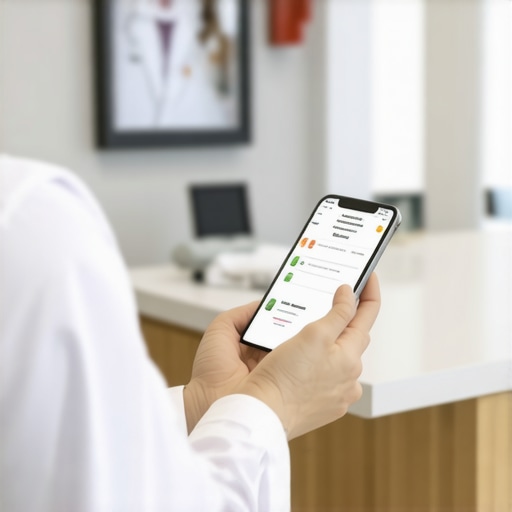
Have you ever fallen into this trap? Let me know in the comments.Maintaining your health routine over time requires more than just initial effort; it demands reliable tools, consistent practices, and a proactive mindset. One of my key tools is a high-quality digital health app, such as MyHealthApp, which I personally use to log symptoms, track lab results, and set reminders for upcoming tests or vaccinations. Its intuitive interface and seamless integration with telehealth platforms make it invaluable for staying organized and informed. Additionally, I rely on a digital home monitoring device like the BioSense Blood Glucose Monitor, which provides accurate readings and syncs data directly to my smartphone, enabling me to monitor my levels continuously without frequent clinic visits. Leveraging trusted software and devices like these ensures you maintain consistent oversight of your health metrics, which is critical for early detection and prevention. Prediction suggests that future innovations will incorporate AI-driven analysis tools, offering personalized health insights and real-time alerts to help you stay ahead of potential issues.
How do I keep my wellness tools effective over time?
Regularly updating your apps and firmware, calibrating devices as recommended by manufacturers, and reviewing your data with healthcare professionals are essential steps. For instance, I schedule quarterly reviews of my lab data with my clinician through telehealth services, ensuring my health plan adapts to any changes promptly. To maximize your efforts, consider establishing a routine check-in with your digital tools — this habit turns passive data collection into active health management. Remember, the reliability of your long-term wellness depends on staying vigilant and embracing the latest technological advancements. For an in-depth understanding of how tools can detect hidden risks early, visit this comprehensive guide. Start by selecting one device or app that complements your existing routines, and set a schedule for regular data review. As the landscape evolves, integrating AI insights and multi-platform synchronization will become standard, offering even smarter ways to care for yourself.
Three Surprising Lessons That Transformed My Wellness Perspective
Initially, I believed that tech-driven health solutions might compromise accuracy or personal touch. However, I discovered that partnering with reputable telehealth services ensures dependable results while offering unmatched convenience. This realization taught me not to dismiss innovations but to evaluate their credibility diligently.
Another lesson was the importance of proactive engagement. Waiting until symptoms appeared or relying on occasional testing is a mistake. Regular at-home tests and scheduled virtual consultations proved to be game-changers in catching issues early and maintaining peace of mind.
Lastly, understanding that personal responsibility amplifies the benefits of modern healthcare was eye-opening. Tools like health apps and digital monitors empower me to stay informed and make timely decisions, turning passive monitoring into active wellness management. Embracing these lessons makes a profound difference in personal health journeys.