
3 Signs You Should Talk to a Professional About Your Work-Related Stress
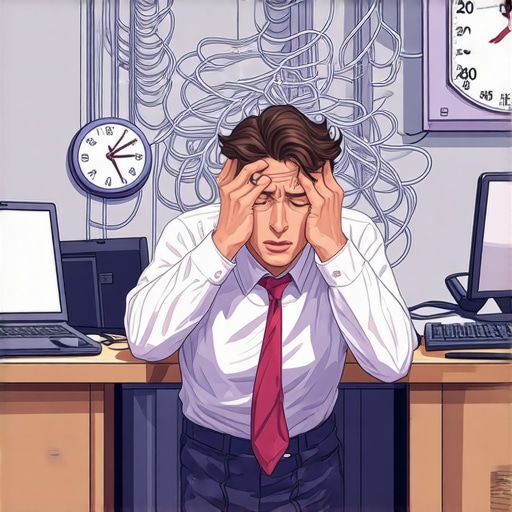
It was a Monday morning, and I found myself staring at my computer screen, feeling an unmistakable tightness in my chest. The relentless inbox, looming deadlines, and the ever-present feeling that I couldn’t keep up had become the norm. I’ve been there—feeling overwhelmed at work, yet dismissing it as just part of the job. But that day, something shifted. The feeling didn’t pass. Instead, it lingered, prompting a painful realization: when should I actually talk to a professional about work-related stress?
Why Ignoring Stress Can Cost You More Than You Think
In my early days of overworking, I believed pushing through was the answer. I thought ignoring the signs of stress was tough, but manageable. However, ignoring persistent work stress can lead to serious health issues—both mental and physical. Studies have shown that chronic stress increases the risk of heart disease, depression, and anxiety. Recognizing the early warning signs can be the key to preventing long-term damage. Today, I’ll share how you can identify if your stress levels indicate the need for professional help, based on my own missteps and lessons learned.
Is Your Stress Actually Worth the Hype?
Early in my career, I made the mistake of dismissing my stress as just part of climbing the corporate ladder. I told myself, “Everyone feels this way; it’s temporary.” But I overlooked the cumulative toll it was taking. If you’re constantly exhausted, have trouble sleeping, or notice your mood deteriorating, it might be time to reconsider. Don’t let denial delay your recovery. Remember, recognizing the signs early can make all the difference, especially when combined with tools like personalized wellness assessments or lab tests—these can reveal underlying issues you might not notice on your own. For instance, routine lab testing can uncover hormonal imbalances or vitamin deficiencies contributing to your stress levels.
If you’ve faced similar struggles, you’re not alone. Many people hesitate to seek help, fearing stigma or thinking they can handle it alone. But just like regular vaccinations or health screenings are vital for physical well-being, mental health deserves the same attention. Seeking support earlier rather than later can prevent burnout and enhance your overall quality of life. Curious about how virtual care can bridge gaps in your mental health support? Check out the insights here.
Identify Your Warning Signs Clearly
Start by tracking specific symptoms like persistent fatigue, sleep disturbances, or mood swings. Keep a journal to note when these symptoms occur and their severity. For example, I once used a simple spreadsheet to log my mood and energy levels daily, which revealed patterns of declining rest and increased stress. Recognizing these signs early allows you to act before stress escalates.
Leverage Telehealth for Immediate Support
Utilize virtual care services to consult healthcare professionals without the hassle of in-person visits. Telehealth platforms connect you with licensed providers who can assess your mental health, recommend lifestyle changes, or even prescribe short-term support if needed. Think of telehealth as your digital bridge to expert guidance, much like an emergency call bridge that gets you help fast. It’s a critical step to get personalized advice on managing stress, especially when time and convenience matter.
Implement Routine Wellness Checks and Lab Tests
Regular wellness assessments act like health audits for your body. Labs can uncover hidden issues that amplify stress—such as hormonal imbalances, vitamin deficiencies, or inflammation. For instance, I once ordered a basic lab test to evaluate my vitamin D and iron levels, which helped identify deficiencies contributing to my fatigue. Incorporate these assessments as a foundational step in your self-care routine. Check out wellness checks to understand their importance.
Use Lab Tests to Detect Hidden Risks
Lab testing is your roadmap to understanding your body’s internal state. Tests like thyroid panels, cortisol levels, or inflammation markers can reveal stress-related imbalances. When I experienced unmanaged fatigue, my doctor recommended a comprehensive blood panel, which uncovered elevated cortisol levels—highlighting adrenal stress. Acting on this info, I adjusted my routines and saw improvements. Regular testing helps catch issues early and guides targeted interventions, much like tuning your car to run smoothly.
Adopt Personalized Vaccination Schedules for Prevention
Preventative measures like vaccines bolster your resilience. Personalized vaccination plans, based on your health status, can prevent illnesses that might exacerbate stress or weaken your immune system. For example, I scheduled a flu shot aligned with my work schedule to avoid catching illnesses at busy times, ensuring I stayed healthy during high-stress periods. Discover how tailored vaccination strategies can protect you from preventable diseases at personalized vaccination schedules.
Integrate These Steps for Long-Term Balance
Combining symptom awareness, virtual healthcare, routine screenings, lab insights, and vaccinations creates a comprehensive defense against stress. Just as a well-maintained vehicle runs reliably, your body requires proactive care. By taking these deliberate actions, you empower yourself to manage stress effectively and maintain overall wellness, even during demanding times. Remember, consistency is key—regular check-ins, tests, and preventive measures form the backbone of resilience.
Many people believe they understand telehealth, lab testing, wellness routines, and vaccinations at face value. However, behind these seemingly straightforward tools lie misconceptions and overlooked complexities that can impact your health outcomes. Let’s dig deeper into some common myths and advanced pitfalls that many overlook, even among seasoned wellness enthusiasts.
One prevalent myth is the assumption that all lab tests are created equal. Many assume that standard panels suffice for diagnosing underlying issues, but in reality, personalized testing tailored to your history and risk factors is crucial. For example, relying solely on basic cholesterol panels without assessing inflammatory markers or hormone levels can miss deeper causes of metabolic issues. According to a study in the Journal of Preventive Medicine, targeted lab testing significantly improves early detection and prevention strategies.
When it comes to telehealth, a common misconception is that virtual visits are only suitable for minor concerns. In fact, telehealth can facilitate comprehensive management of complex, chronic conditions—when used correctly. A key nuance many miss is the importance of choosing providers experienced in remote diagnostics and digital assessments. This expertise ensures accurate interpretation of symptoms and test results, preventing misdiagnoses or delayed treatments.
Benefits of wellness and preventive measures are often underestimated. Skeptics might think annual check-ups are unnecessary if they feel healthy. But the subtle signs of stress, inflammation, or nutritional deficiencies often go unnoticed without routine testing. For instance, vitamin D deficiency is common but frequently overlooked, yet it plays a vital role in immune function and mood regulation. Implementing regular wellness checks with specific lab tests—like those outlined in our guide—can reveal hidden risks before symptoms manifest.
Vaccinations are another area fraught with misconceptions. Many believe that adult vaccines are optional or only necessary for travel or certain health conditions. But vaccine efficacy wanes over time, and some diseases are more dangerous in adulthood, especially with the rise of immunocompromising conditions. The key nuance is understanding personalized vaccination schedules based on your age, health status, and lifestyle. A recent expert review emphasizes that tailored vaccination plans, which consider your unique risks, optimize protection and can prevent outbreaks.
Now, for the advanced reader: What are the pitfalls of relying solely on at-home test kits and virtual consultations for detecting complex, multisystem health issues? The danger lies in misinterpretation without professional oversight, which can lead to false reassurance or overlooked signs. For example, at-home cortisol tests may not reflect true adrenal health without multiple sampling points or comprehensive assessment. To truly benefit from these tools, pairing them with experienced medical guidance is essential.
In conclusion, while telehealth, lab testing, wellness routines, and vaccinations are powerful strategies, their true potential depends on understanding and navigating these nuanced aspects. Overlooking these details can reduce effectiveness or even pose risks. Are you aware of these hidden pitfalls in your health routine? Let me know in the comments, and remember: smarter choices lead to better health.
How do I maintain my wellness tools over time?
Consistency is key when it comes to health management. I rely heavily on integrated digital platforms like MyMedTrack for tracking lab results and vaccinations. This app syncs with laboratory portals, automatically updating your health records and reminding you when to book routine tests or booster shots. By centralizing your health data, you reduce the risk of missed appointments or forgotten test dates, which can be detrimental in early disease detection.
For telehealth consultations, I prefer Vital Clinic’s platform due to its user-friendly interface and comprehensive provider network. Having access to specialists in chronic wellness and preventive health through a single portal saves time and ensures continuity of care, especially when managing conditions like adrenal fatigue or autoimmune markers.
My favorite testing equipment and methods
Precision is non-negotiable in health monitoring. I personally use the EverlyWell at-home lab kits for tests like vitamin D, iron, and cortisol. These kits are straightforward—collect a sample, send it back, and get detailed results within days. I’ve found that understanding my lab results helps tailor my lifestyle choices and vaccination schedule effectively.
Additionally, I use a digital blood pressure monitor to keep tabs on my cardiovascular health daily. Regular monitoring allows me to notice any spikes that could indicate the need for a medical review, especially when managing stress-induced hypertension.
The future of these tools points toward more integration. Artificial intelligence will likely enable predictive analytics based on your lab data and wearable metrics, giving personalized health advice before symptoms even appear. According to recent telehealth innovations, such advancements will make health management more proactive and accessible.
To get started, I recommend trying a comprehensive lab test kit combined with a reliable digital health record system. This small first step can significantly enhance your ability to catch issues early and stay on top of your wellness goals. Ready to streamline your health? Check out options like wellness checks and integrate these tools into your routine today.
What I Wish I Knew Before Relying Solely on Virtual Care
One of the biggest lessons I learned was that not all telehealth platforms are created equal. Choosing providers with expertise in comprehensive diagnostics saved me from misinterpreting symptoms that needed deeper investigation. I realized that pairing virtual visits with detailed lab assessments yields a clearer picture of my health, preventing minor issues from turning into serious problems.
Don’t Overlook the Power of Personalized Testing
Initially, I trusted generic panels for my wellness checks, but I soon discovered that tailored lab tests uncovered specific deficiencies and hormonal imbalances impacting my stress levels. Investing in personalized testing, like hormones and inflammatory markers, provided insights that standard tests simply couldn’t offer, guiding me toward more effective interventions.
My Unexpected Eye-Opener About Vaccination Timing
Believing that all adult vaccines are optional was a mistake. I learned that timing and personalized schedules matter greatly, especially for diseases that can worsen under stress. For instance, scheduling my flu shot before busy seasons helped me stay healthier, reiterating that strategic vaccination planning is a key part of stress management.
Resources That Gave Me Clarity and Confidence
My top tools include routine wellness checks, which are essential for catching silent issues early; comprehensive lab testing that pinpoints underlying causes; and personalized vaccination scheduling tailored to my lifestyle. These resources empowered me to take charge of my health proactively, rather than reactively.
Take Action Now: Your Wellness Starts Today
Remember, true wellness isn’t just about managing stress in the moment but building a resilient system that adapts and heals. By embracing personalized assessments, leveraging telehealth wisely, and staying vigilant with routine checks, you set yourself on a path to sustained health and vitality. Now is the time to invest in these tools and strategies—your future self will thank you.
What’s the first step you’re ready to take toward better wellness with telehealth or lab testing? Share your plans below, and let’s support each other on this journey.
.