
3 Tactics for Getting a Testosterone Panel Without an Office Visit
I remember the first time I realized I might need to check my testosterone levels. It was a dull fatigue that wouldn’t go away, despite pushing through my workouts and trying every supplement I read about. The idea of scheduling an in-office lab test felt like a hassle—time off work, waiting rooms, the awkward small talk with strangers while my arm was being pricked. One day, it hit me: there has to be a better way.
Why Checking Testosterone Matters—and What’s Stopping You
Many men face the frustrating dilemma of wanting to understand their hormone health but feeling held back by traditional healthcare barriers. The conventional route often involves an appointment, paperwork, and waiting for results. But here’s the thing: understanding your testosterone levels is crucial—not just for energy or strength, but for overall health, mood, and vitality. The good news is, modern telehealth options are changing the game, making testing more accessible than ever.
Are you tired of feeling like your health checks are a chore? Have you ever wished for a more seamless way to get your hormones checked without the hassle of a clinic visit? You’re not alone. Lots of folks are discovering that they can leverage innovative methods to stay on top of their wellness—saving time and stress.
Is at-home testosterone testing actually reliable?
Early on, I made the mistake of assuming that at-home labs couldn’t be as accurate as traditional blood draws. Turns out, quality at-home testing kits have come a long way, with many providing lab-grade results. Still, it’s essential to choose reputable providers and understand how to interpret your results correctly. For a comprehensive guide, check out [Understanding Lab Tests — Your Roadmap to Clearer Diagnosis](https://vitalclinicmd.com/understanding-lab-tests-your-roadmap-to-clearer-diagnosis-at-322-pm).
Now, with the right approach, you can avoid the waiting room paralysis and get insights fast. Let’s look into three tactics that will make getting your testosterone panel straightforward and stress-free.
Choose a Reputable Telehealth Service
Start by researching trusted telehealth providers that specialize in hormone testing, like VitalClinic. Look for reviews, transparency about lab processes, and certifications. I once selected a provider based solely on an ad, only to find a confusing site and poor customer support. Instead, I now recommend visiting this resource to understand how telehealth options are revolutionizing wellness access. Opt for a platform that clearly explains their procedures and guarantees privacy, which you can verify through their privacy policy.
Order Your Test Kit and Prepare Properly
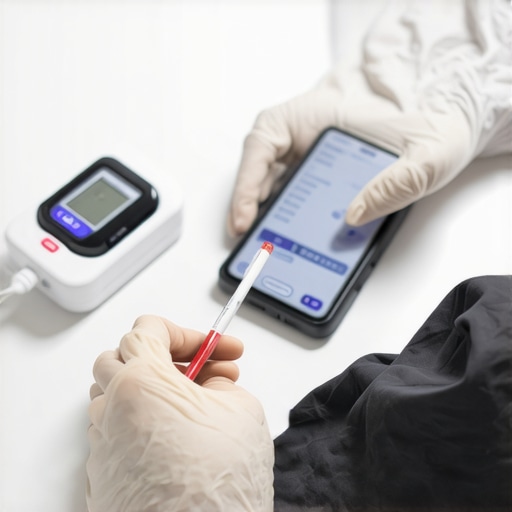
Once you’ve selected a provider, order their at-home testosterone test kit. These kits are like a home adventure—collecting your sample is straightforward but crucial. For example, I received my kit, read the instructions carefully, and ensured I didn’t eat or hydrate heavily before collecting my blood sample, mirroring the prep you’d do for a lab visit. The kit typically includes lancets, tubes, and detailed instructions, similar to what you might see when understanding lab tests. Follow each step meticulously to ensure accuracy, as poor prep can lead to unreliable results.
Send Your Sample and Track Results Effectively
After collecting your sample, mail it back using the provided prepaid label—think of it as mailing a gift, but for your health. Keep track of your shipment with tracking info to know when it arrives at the lab. Some providers offer real-time updates, reducing anxiety about delays. Once processed, you’ll receive your results, often through a secure online portal. It’s like getting a report card, but for your hormones. When reviewing your testosterone levels, consult the detailed explanations linked here to interpret what the numbers mean. If results indicate deviations, consider scheduling a follow-up with a healthcare provider—many telehealth services facilitate this seamlessly.While telehealth and at-home wellness tools have revolutionized healthcare access, many people harbor misconceptions that can undermine their health benefits. Contrary to popular belief, these innovations aren’t just convenient—they demand an understanding of nuanced limitations and potential pitfalls. For instance, many assume that at-home lab tests are universally as reliable as traditional in-office draws. However, the accuracy of these tests hinges on proper sample collection, handling, and selecting reputable providers with lab-grade standards—something that’s often overlooked. **A common trap is trusting every digital health service without scrutinizing their quality controls**. Skimping on research here can lead to misinterpreted results, delayed diagnoses, or unnecessary anxiety—so always vet your providers carefully, and consult resources like this guide for deeper insights.
Another myth circulating is that vaccinations and wellness checks are only necessary during sporadic health crises. In reality, relying solely on reactive health measures neglects the power of proactive, personalized strategies—such as setting up regular wellness screenings. Skipping routine checks can let silent health issues fester, ultimately leading to complex, costly interventions. Moreover, many believe telehealth consultations can replace comprehensive lab tests entirely, but this isn’t the case. Telehealth is an excellent tool for initial assessments or follow-ups, yet it can’t substitute the detailed data provided by labs—consider this article to see why.
Advanced users often ask: How can I maximize the effectiveness of these virtual tools while avoiding common mistakes? A key point is understanding the significance of timing and preparation—just like with traditional visits, the accuracy of results can depend on fasting, hydration, or medication timing. For example, an evening fasting blood draw may yield different insights than a morning test. If you’re unsure how to optimize your testing schedule, check out this resource.
Lastly, a prevalent oversight is neglecting data privacy. Many assume that digital health portals are fully secure but fail to review privacy policies thoroughly. This oversight can expose sensitive health information to breaches or misuse. Always read the privacy policy of your chosen service to understand data handling practices. Remember, informed decisions in health technology use hinge on educated awareness.
So, have you ever fallen into this trap of overlooking the nuances behind telehealth, vaccinations, or wellness strategies? Let me know in the comments below—I’d love to hear your experiences and tips for navigating this rapidly evolving landscape. Staying consistent with your telehealth visits, lab tests, and vaccination schedules is vital for long-term health. To achieve this, I rely on specific tools and strategies that streamline each process. First, I use **digital health diaries** like the MyFitnessPal app, which allows me to log symptoms, medication changes, and test dates, ensuring I stay organized and prepared for appointments. Additionally, I set up **reminder systems** using calendar apps like Google Calendar, with alerts for upcoming tests or booster shots, reducing the chance of forgotten appointments.
For secure communication, I prefer platforms with robust encryption, such as [VitalClinic](https://vitalclinicmd.com/revolutionizing-wellness-how-telehealth-transforms-personal-care), ensuring my health data remains private while enabling seamless interactions with healthcare providers. I also utilize **lab test review tools** that interpret results accurately—specifically, I consult resources like [Understanding Lab Tests](https://vitalclinicmd.com/understanding-lab-tests-your-roadmap-to-clearer-diagnosis-at-322-pm) to understand trends over time and identify early warning signs.
Automation plays a big role in my routine: I have setup email subscriptions for health updates and research, keeping me informed about the latest telehealth innovations and preventative care strategies—vital in a rapidly evolving landscape.
How do I maintain my wellness and testing schedule over time?
It’s about consistency. I check in weekly with digital logs, review lab results monthly, and keep my vaccination records updated through reliable digital platforms. This proactive approach minimizes surprises and keeps my health information current.
Looking ahead, I predict that integration platforms—combining wearable health data, telehealth portals, and AI-driven insights—will become standard, making health management even more intuitive. This convergence will empower users to catch issues early and tailor interventions precisely to their needs.
If you want to elevate your health routine, I recommend integrating a comprehensive **reminder system** with your digital health logs today. This small step can significantly improve your consistency and results. For more insights, check out [Revolutionizing Wellness](https://vitalclinicmd.com/revolutionizing-wellness-how-telehealth-transforms-personal-care).As I reflect on my own experiences with shifting towards at-home testing and telehealth, I realize that the most valuable lesson was embracing proactive care over reactive solutions. One key insight was understanding how critical proper sample collection is—neglecting this step can render even the most advanced kits useless, underscoring the importance of meticulous prep. Additionally, I learned to evaluate providers beyond their marketing—trustworthy lab standards and transparent privacy policies are non-negotiables that safeguard your sensitive data and ensure accurate results. Lastly, integrating these tools into a consistent routine transforms health management from stressful chores into empowering daily habits, making wellness an attainable journey rather than an overwhelming task.