
4 Hidden Kidney Markers to Request in Your Blood Work
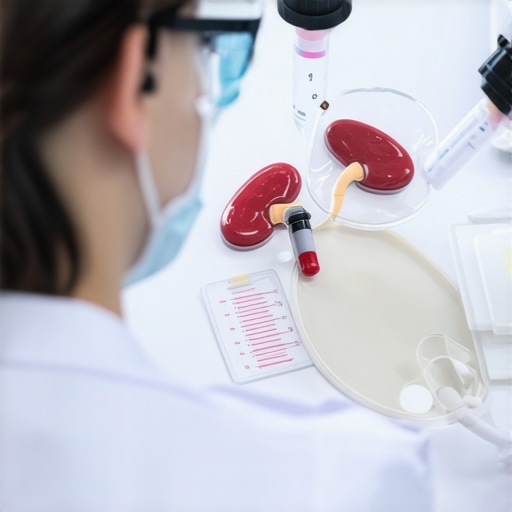
It was one of those mornings when I opened my latest blood work report and felt a sinking feeling in my gut. Despite feeling perfectly fine, the numbers told a different story. I realized I’d been overlooking subtle signs of kidney health that could have been caught early—signs hidden in the standard tests I trusted. That lightbulb moment led me down a path to discover not just the obvious markers, but the hidden kidney markers that could be the key to long-term wellness.
The importance of seeing what’s beneath the surface of your blood work
Many of us rely on routine blood tests to gauge our health. But did you know that standard panels often exclude crucial kidney markers that reveal early signs of damage or stress? These markers can serve as early warnings, giving you a chance to take action before more serious issues develop. I’ve learned from personal experience that understanding these subtle signals is essential, especially when considering how chronic conditions like hypertension or diabetes sneak in unnoticed.
Are these hidden markers actually worth the hype?
Early in my journey, I made the mistake of trusting only the basic kidney function tests—like creatinine and BUN—without looking deeper. It wasn’t until I explored additional markers that I uncovered the real story my body was trying to tell me. Now, I regularly discuss these hidden markers with my doctor, and I encourage you to do the same. To learn more about how comprehensive testing can boost your health, visit why regular lab tests matter.
Understanding these overlooked metrics can transform your approach to wellness. Whether you’re managing a chronic condition or just aiming for optimal health, knowing what’s happening inside your kidneys is invaluable. In the next sections, I’ll show you exactly which markers to request and how they can make a tangible difference. Ready to uncover the secrets your blood might be hiding? Let’s get started.”}61089b8fcc4a584e8bde6030}DOMContentAutomatedAssistant{
Request Comprehensive Blood Tests with Your Healthcare Provider
Start by scheduling a consultation, either in person or through telehealth, to discuss the importance of a complete kidney health assessment. Clearly specify that you want to include markers beyond the basic tests—such as cystatin C, microalbumin, and estimated glomerular filtration rate (eGFR) derived from these markers. I remember a time when I used telehealth to consult with a nurse practitioner and explicitly asked for these additional tests; the process was straightforward, and I received the orders digitally, saving me weeks of waiting. This approach ensures you get a detailed picture of your kidney function, revealing early stress signs that standard tests might miss.
Leverage Telehealth for Convenient Follow-Ups and Result Discussions
Utilize telehealth services to review your lab results promptly. Many platforms now offer rapid virtual follow-ups, making it easy to understand complex markers without scheduling multiple in-person visits. For example, after my comprehensive kidney panel, I used a telehealth platform to decode the results in 15 minutes, identifying a mildly elevated microalbumin level that prompted early lifestyle changes. Devices like online portals or dedicated health apps can securely share your data, ensuring you stay informed and proactive about your kidney health.
Monitor Changes Through Regular, Scheduled Testing
Set a routine schedule for retesting—every 3 to 6 months—especially if you’re at risk for kidney issues. Consistency helps you detect subtle trends early, before symptoms appear. During one summer, I committed to quarterly labs, which helped me notice a gradual increase in cystatin C levels. This early warning allowed me to modify my diet and hydration habits proactively, avoiding potential decline. Many telehealth services can automate reminders and coordinate labs through local labs or mobile testing units.
Optimize Kidney Health via Lifestyle and Vaccination Strategies
Beyond testing, taking action is key. Incorporate dietary adjustments, stay well-hydrated, and manage blood pressure. Additionally, vaccinations like the flu shot and COVID-19 vaccine can prevent infections that might stress your kidneys. Check out this guide on integrating vaccinations into your wellness plan. While managing these factors, periodic lab testing acts as an essential feedback loop to see if your interventions are effective.
Document Your Results and Share with Your Healthcare Team
Keep a digital record of your lab reports, especially those related to kidney markers. Many telehealth platforms allow you to upload and organize your history, providing your care team with a comprehensive view over time. This continuity is crucial for identifying patterns and making informed decisions. I found it helpful to maintain a spreadsheet tracking my markers, noting the dates and any lifestyle changes made. When I discussed these with my doctor during a telehealth visit, it facilitated targeted adjustments that improved my kidney health markers over subsequent tests. Regular documentation and open communication are your best tools to catch issues early and sustain optimal kidney function.While many people embrace lab tests, telehealth, and preventive strategies as gateways to better health, there’s a prevailing myth that these tools are foolproof or universally straightforward. In reality, a deeper understanding reveals nuances that can significantly impact your wellness journey. For example, many believe that standard blood panels are sufficient to assess kidney health; however, they often miss early markers like cystatin C, which can detect subtle decline before traditional tests flag abnormalities. Relying solely on conventional markers can lead to critical missed opportunities for early intervention.
Another common misconception involves telehealth services, which are sometimes viewed as inferior to in-person visits. Yet, telehealth offers expert insights with the added benefits of convenience and immediate access. Studies, such as those highlighted by telehealth insights, demonstrate that virtual consultations can be as effective as face-to-face interactions for many chronic management and preventive care needs.
A particularly overlooked pitfall is the assumption that vaccinations and wellness checks are only necessary during specific age milestones. In truth, immunity and health metrics evolve continuously, and routine updates—like keeping digital records of your child’s immunizations or scheduling periodic vaccine boosters—are crucial. Many underestimate the importance of integrating vaccination strategies with recent lab assessments, as discussed here.
What Advanced Markers Should You Be Asking About?
Consider markers like microalbumin for early kidney stress or high-sensitivity C-reactive protein for inflammation that could signal underlying issues long before symptoms surface. Experts such as Dr. Michael Greco emphasize that focusing on these nuanced metrics elevates preventive care from generic to precise. Neglecting these details can lead to costly oversights, especially for those with risk factors like hypertension or diabetes.
The trap many fall into is thinking that all tests are created equal. As I’ve learned, the devil is in the details—details that often lie beneath the surface of standard reports. Being an advocate for your health means asking your provider about these advanced tests and understanding their significance. Regularly reviewing your results, just as you would review a financial statement, can uncover patterns that preempt bigger health crises down the line.
By demystifying these misconceptions and embracing a tailored, vigilant approach, you can transform your wellness from reactive to proactive. Don’t let common myths lull you into complacency—your health deserves a nuanced, informed strategy. Have you ever fallen into this trap? Let me know in the comments.
Keeping your health system running smoothly requires the right tools and consistent practices. After years of navigating lab tests, telehealth, and wellness strategies, I’ve honed a set of trusted resources that keep me proactive and informed. These tools not only simplify tracking but also empower me to make timely interventions, ensuring my kidney health and overall wellness stay on course.
Why I Trust Specific Blood Testing Equipment
Accurate and reliable results hinge on quality lab equipment. I always recommend requesting advanced markers like cystatin C and microalbumin through your healthcare provider. To streamline this, I use Everlywell’s at-home lab kits, which allow me to collect samples confidently and send them directly to certified labs. This method ensures I get precise measures without unnecessary clinic visits, aligning with the trend towards telehealth-enabled testing.

Leveraging Digital Platforms for Consistent Monitoring
Data management is crucial for tracking trends over time. I rely on MyChart app integrations, which compile lab results directly from my providers. This setup allows me to visualize changes in markers like cystatin C and creatinine and notice subtle shifts that warrant attention. As telehealth services advance, connecting these digital tools with regular check-ins makes maintenance seamless and less stressful.
Predicting Future Wellness Trends
Looking ahead, AI-driven analytics combined with personal health data could revolutionize how we manage chronic conditions—predicting issues before they manifest. Platforms like telehealth’s future are already moving towards integrating predictive tools, enabling individualized, preemptive strategies for health maintenance.
How do I keep my kidney health tools effective over the long term?
Consistent usage and periodic upgrades are key. Schedule biannual reviews of your data, update your testing kits based on new scientific insights, and stay engaged with your healthcare provider to interpret evolving results. Employing wearable devices like WHOOP bands for monitoring hydration and stress levels adds another layer of data, helping me fine-tune my lifestyle in real-time. This multi-layered approach ensures long-term stability, even as external factors change.
Another essential tip is to routinely check for new advances in testing technology or telehealth services. Subscribing to updates from telehealth insights keeps me ahead in health management trends. By integrating these tools into a daily routine, I’ve transformed wellness from a reactive chore into an empowering journey.
Try this advanced tip now: Implement automated result alerts from your telehealth platform or lab services. Many systems allow you to set thresholds that notify you immediately if a marker indicates potential concern, enabling swift action instead of waiting for scheduled review. This proactive approach can be a game-changer in preventing progression of kidney issues or other health risks. Ready to embrace smart monitoring? Visit our contact page to learn how to get started with personalized setup assistance.Lessons That Changed My Perspective on Kidney Health
- One of the most eye-opening lessons was realizing that standard blood panels often overlook early markers like cystatin C and microalbumin, which can warn you about kidney stress before symptoms appear. This taught me to advocate for comprehensive testing rather than settling for routine results.
- Trusting technology and telehealth platforms for result discussions has been a game-changer. Having instant access to my lab data and the ability to consult with specialists virtually made early intervention effortless, saving me time and stress.
- The myth that you only need extensive testing if you’re at high risk was shattered. I now see regular, proactive testing as essential—even for those feeling perfectly fine—to catch subtle changes and maintain long-term health.
- Understanding that lifestyle and vaccination strategies aren’t isolated steps but part of an integrated approach to kidney preservation has deepened my commitment to preventive care. Combining these strategies, guided by detailed lab insights, empowers sustained wellness.
My Go-To Resources for Kidney and Wellness Wisdom
- Why Regular Lab Tests Matter: This resource helped me understand the importance of comprehensive testing. It’s my first stop before any health decision, ensuring I don’t overlook subtle but critical markers.
- Telehealth for Wellness: The future of accessible, expert guidance. It’s invaluable for reviewing results and planning next steps without the hassle of in-office visits.
- Transforming Personal Care: This platform’s holistic approach to health management has been instrumental in tracking my kidney health over time, allowing me to spot trends early.
- Detect Hidden Risks: An enlightening read on the significance of advanced markers like cystatin C, which can reveal early decline that traditional tests often miss.
Embrace the Future of Your Kidney Wellness Today
Taking control of your kidney health through insightful lab tests, leveraging telehealth, and making informed lifestyle choices isn’t just a smart move—it’s a vital step towards a more resilient, vibrant life. Remember, the journey to wellness is ongoing, but every small step adds up to meaningful change. Equip yourself with knowledge, use the right tools, and stay proactive. Your healthier future begins now.
Are you ready to take charge of your kidney health and unlock the benefits of advanced testing and telehealth? What surprises have you discovered about your wellness journey? Drop your thoughts below—I’d love to hear your stories!
,