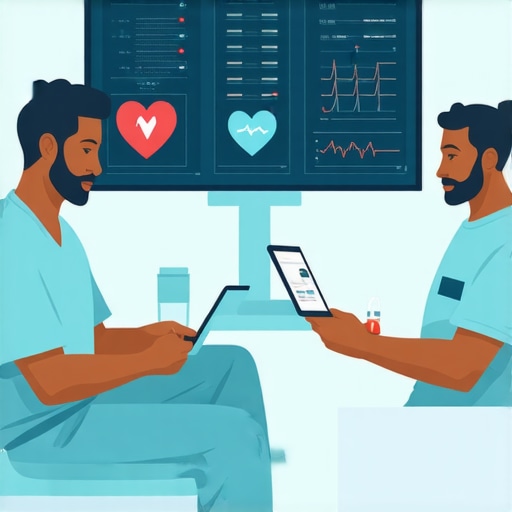
It hit me during a routine telehealth appointment—I was staring at the screen, wondering why my recent labs seemed like a mystery. I had always relied on in-person visits, waiting weeks for results, only to find out I was missing key insights into my health. That moment made me realize: the way we track our wellness is shifting, and if we’re not paying attention, we might be flying blind in our health journey.
Why Monitoring Vital Markers is More Critical Than Ever
In the past, health tracking felt reactive—wait until something felt wrong, then seek answers. But with advancements slated for 2026, proactive monitoring of specific chronic health markers could be your secret weapon. Working closely with telehealth services, you can now access precise, real-time data that helps prevent health issues before they escalate. Think about HR professionals in corporations—regular monitoring of employee health metrics has reduced absenteeism and improved overall wellbeing. It’s no different for us as individuals. According to a study published in The Journal of Preventive Medicine, early detection via targeted testing significantly reduces the risk of chronic disease progression. However, one common mistake many make is neglecting to understand which markers are essential for their personal health plans.
Have you ever felt overwhelmed trying to keep track of your health metrics, unsure if you’re covering all the bases? You’re not alone. Early mistakes in monitoring—like ignoring inflammation levels or glucose—can lead to missed opportunities for early intervention. That’s why my goal today is to shed light on these four vital markers that are set to be game-changers in 2026. Mastering them could make the difference between a smooth wellness journey and costly surprises down the road.
Is Telehealth Actually Worth the Hype for Chronic Tracking?
When I first heard about telehealth options for labs, I was skeptical—was it really as effective as visiting my doctor in person? My initial mistake was trying to DIY the process without understanding the technology behind virtual care. Turns out, with the right platform, you can access comprehensive lab tests and get results in as little as 24 hours, all from the comfort of home. This approach not only saves time but ensures consistent monitoring, especially for those managing chronic conditions.
As we transition into 2026, integrating these markers into our health routines becomes not just a possibility but a necessity. Up next, we’ll explore the specific markers you need to know about and how modern telehealth services are making this easier than ever. Whether you’re new to health tracking or looking to optimize your existing routine, understanding these key indicators will empower you to take control of your wellness trajectory.
Schedule Your Automated Lab Tests Using Telehealth Platforms
Start by selecting a reputable telehealth service that offers comprehensive lab testing options. I personally used virtual care services to order my blood panels. During my first appointment, I accessed a curated list of essential tests tailored to my age and health history, much like choosing tools in a well-stocked toolbox. After ordering, I received a direct link to a nearby lab for sample collection, eliminating the need to visit a clinic physically. This streamlined process, similar to setting up an online shopping cart, gets your tests scheduled quickly, enabling faster results and more immediate insights into your health status.
Collect Samples at Home and Ensure Proper Handling
Once your test kits arrive, follow the detailed instructions exactly—think of this as following a recipe to ensure the dish turns out perfect. Using the provided lancets or collection tubes, gather your samples in a clean, distraction-free environment. Many kits include color-coded containers to prevent mistakes, so pay close attention to labels. Scheduling your sample collection early in the day ensures samples are fresh and reduces the risk of degradation, especially for glucose or hormone tests. A mistake I made was trying to do it at night, which led to delays in processing. Proper handling maximizes accuracy and speeds up the process, ultimately giving you reliable data to review later.
Leverage Virtual Consultations for Test Interpretation
After submitting your samples, most labs offer a turnaround of 24-48 hours for results. When results arrive, resist the urge to interpret them in isolation. Instead, book a virtual consultation via your telehealth platform. During my first review, my healthcare provider explained complex markers like C-reactive protein levels clearly, equating them to warning lights on a dashboard. This contextual understanding allows you to identify potential issues before they become symptoms. Platforms like virtual consultations do more than just translate numbers—they help you craft actionable steps to improve your health.
Integrate Results Into Your Daily Routine
Use the insights gained to make informed lifestyle choices. If your glucose levels are higher than ideal, incorporate dietary adjustments like reducing refined carbs. For inflammation markers, prioritize anti-inflammatory foods, regular physical activity, and stress management. Tracking these markers over time becomes easier when you sync your data with digital health apps. Think of it as maintaining a garden—you monitor, adjust, and observe growth, ensuring your health blooms. Regular check-ins, scheduled every 3-6 months, help you stay on top of your wellness goals, especially as new tests become available closer to 2026. Visiting top strategies for combining vaccinations and lab tests can further optimize your health plan. The key is proactive management, turning data into empowerment, one step at a time.Many people believe that ordering lab tests through telehealth is a quick fix or that routine tests are enough to cover all health concerns. However, in my experience, relying solely on broad-spectrum panels without understanding their specific applications can lead to overlooked risks. For instance, some assume that a standard CBC provides comprehensive insights, but specialized markers like vitamin D status or inflammatory cytokines often require targeted tests to truly inform your wellness plan.
How can misinterpreting lab results derail your health efforts in advanced scenarios?
It’s easy to fall into the trap of thinking that any lab result is definitive. Yet, without appreciating the context—such as how certain markers fluctuate due to internal or external factors—you might misjudge your health status. For example, a slightly elevated glucose reading post-meal isn’t necessarily a sign of diabetes but could be indicative of insulin sensitivity issues, especially if you’re unaware of the nuances of postprandial testing. According to a study published in The Journal of Diabetes Research, the timing and condition during testing significantly impact results and their interpretation.
Another common myth is that telehealth platforms always provide accurate readings, but the quality of samples and the handling process play crucial roles in result reliability. Mistakes like improper sample storage or delayed processing can distort data, leading to false reassurance or unnecessary alarm. Vigilance in following collection guidelines—highlighted in this resource—is essential to avoid such pitfalls.
Ensuring that you understand what each marker truly signifies—rather than relying on broad trends—is key to nuanced health management. This is especially true as innovations in 2026 bring more sophisticated testing capabilities, emphasizing the importance of pairing these with expert interpretation. Deepening your knowledge about these biomarkers can drastically improve your health outcomes.
Have you ever fallen into this trap? Let me know in the comments.
Maintaining an effective health monitoring routine requires precision tools and consistent practices. I rely heavily on digital platforms like virtual care services for scheduling and reviewing lab tests, which streamline the entire process. These platforms allow me to customize my testing panels based on my health profile, ensuring I focus on markers most relevant to my wellness goals. I appreciate how they integrate with my health apps, providing a centralized dashboard to track trends over time. To ensure accuracy, I always use the recommended kits for sample collection and follow handling instructions meticulously, recognizing that improper technique can distort results and hamper long-term tracking.Reflecting on my journey through modern health tracking has revealed some powerful insights that aren’t immediately obvious — understanding these can truly transform your wellness routine. One of the most eye-opening lessons I learned is that early personalization of health data can prevent costly surprises later. Relying solely on generic tests or standard advice might leave you blindsided; instead, tailoring your lab work using telehealth platforms ensures you’re focusing on the markers that matter most for your unique needs. Additionally, I realized that consistent, proactive engagement—like scheduling routine virtual consultations—amplifies the benefits of advanced testing. Embracing these tools isn’t just about convenience; it’s about taking control, understanding your body, and preventing issues before they escalate. By integrating personalized data, trusted tools, and expert guidance, you position yourself for a healthier future you actively shape. Remember, the journey to wellness is ongoing, but with these insights, you’re better equipped than ever to make informed, impactful decisions that serve your long-term health goals.









One response to “4 Vital Chronic Health Markers to Track via Telehealth in 2026”
Reading this post really resonated with me, especially the emphasis on proactive health monitoring. I recently started using telehealth services for regular labs, and it’s been a game-changer in understanding my body’s subtle shifts. I appreciate the focus on specific markers like inflammation and glucose, as these often get overlooked in routine check-ups. My experience has shown that with digital tools, I can track my progress over time and make more informed lifestyle decisions. What intrigues me most is how technology will continue to evolve in 2026, possibly making personalized health insights even more accessible. Has anyone here integrated these kinds of markers into their daily routine? I’d love to hear tips on maintaining consistency and ensuring the accuracy of at-home sample collections, especially for those newer to this process.