
7 markers in your blood work that actually predict longevity

I’ll never forget the afternoon I sat in my doctor’s office, staring at a stack of lab reports that supposedly said I was ‘perfectly healthy’ while I felt like I was running on fumes. I was exhausted, my brain felt like it was wrapped in cotton wool, and I was genuinely worried that my ‘good’ years were already behind me. It was a visceral realization: standard medical ‘normal’ is a far cry from optimal longevity. If you have ever wondered why your lab results come back normal while you still feel like trash, you are living the same frustration I did. We are told everything is fine because we aren’t ‘sick’ yet, but we aren’t looking at the indicators that predict if we will be thriving or just surviving in twenty years. Today, I want to pull back the curtain on the seven specific markers that serve as a crystal ball for your future health.
The Trap of the Normal Range
Most annual physicals are designed to catch active disease, not to extend your life span. They look for the fire while completely ignoring the smoldering embers in the floorboards. I made the massive mistake early on of only caring about my total cholesterol. I thought as long as that number was low, I was immortal. I was wrong. I was ignoring the systemic inflammation and metabolic signals that actually dictate how well our cells age. By the time a standard test flags a problem, the damage has often been done for a decade. We need to move toward a proactive model where we use regular lab tests as critical milestones for our longevity journey rather than just emergency checks.
Is all this extra blood work really necessary?
It is easy to be skeptical and wonder if this is just ‘over-testing’ or a way to spend more money at the lab. But here is the reality: the science of longevity has outpaced the standard of care in most local clinics. For example, many practitioners still rely solely on HbA1c to check your sugar, but why the fasting insulin test matters more than a1c for weight loss and long-term metabolic health is something the longevity community has known for years. Even the American Heart Association has highlighted that high-sensitivity C-reactive protein (hs-CRP) can be a stronger predictor of cardiovascular events than cholesterol alone in certain populations. If we don’t measure the right things, we are just guessing with our lives.
Metabolism is Your Best Predictor
Your metabolic health is arguably the most significant factor in how long you will stay functional. When your body loses the ability to manage energy efficiently, everything from your brain health to your heart starts to decline. I have seen so many people focus on calories while their internal chemistry was working against them. There are 7 lab markers that prove your metabolism is stalling, and once you identify them, you can actually do something about it. Have you ever felt like your doctor was just skimming the surface of your results without really listening to your concerns about the future? It is a common struggle, but it is one we can fix by becoming our own best advocates. Knowing how to interpret your c-reactive protein levels for heart health is just the beginning of taking back control.
Get Your Data Without Asking for Permission
Think of your standard physical like a dashboard light that only turns red when the engine is already smoking. Proactive testing is like opening the hood and checking the oil levels before you even start the car. I remember the time I walked into a local lab with my own requisition form because my GP at the time thought my request for a fasting insulin test was unnecessary. I was tired of being told my A1c was fine while I felt terrible. Within 48 hours, I saw that my insulin was triple what it should be, revealing a metabolic fire my doctor had missed entirely. Knowing how to order your own blood work without a doctors note is the ultimate power move for your longevity. It removes the gatekeeper and puts you in the driver’s seat of your biological data. 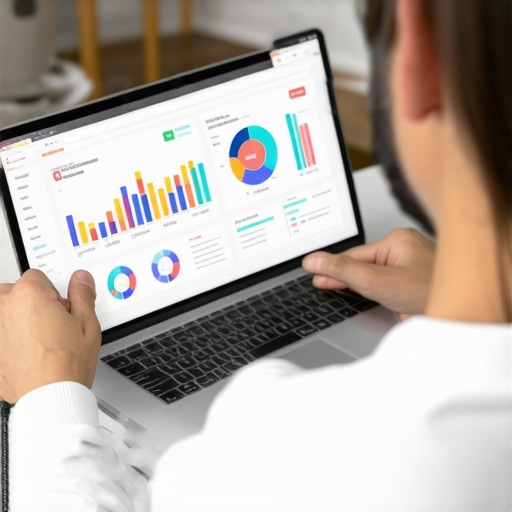
The Markers That Actually Tell the Truth
While your annual visit might check basic glucose, it often skips the deeper signals. You need to focus on metrics like fasting insulin and high-sensitivity C-reactive protein. For instance, finding the one habit that actually lowers your fasting insulin can do more for your long-term heart health than almost any other lifestyle shift. Don’t stop there; ensure you are using the most accurate way to test your vitamin d levels, as common tests often lack the precision needed for optimization. If you only look at the surface, you are essentially trying to navigate a forest with a blurry map. Real health comes from high-resolution data points that show exactly how your body is processing fuel and managing inflammation.
Why Virtual Consults Beat the Waiting Room
Many people stall their health journey because they dread the clinic experience. The fluorescent lights, the germ-filled magazines, and the rushed ten-minute window with a provider are relics of an old system. Modern telehealth innovations how virtual care is changing wellness provide a way to skip the friction. By unlocking the power of telehealth for fast convenient wellness access, you can discuss your lab results with specialists who actually understand longevity science rather than just disease management. This is how I finally stabilized my own numbers; I found a provider online who didn’t dismiss my ‘normal’ ranges and instead helped me implement 3 moves to stabilize your blood sugar before your next wellness check.
Link Your Labs to Your Next Vaccination
Most people treat vaccinations as an isolated event, but your internal environment determines how well your immune system responds to them. This is where maximize your health combining vaccinations and lab testing strategies becomes vital. Before scheduling a shot, knowing the essential lab tests you need for accurate vaccination planning helps you ensure your body isn’t already under high systemic stress or nutrient deficiency. If your inflammatory markers are through the roof, your immune response might not be optimal. By looking at why regular lab tests are critical for your wellness journey, you start to see every medical intervention as part of a larger, interconnected strategy rather than a series of random appointments. This is the difference between surviving the year and thriving for the next several decades. Stop accepting that why your annual physical is missing your real health risks is just the way things are; it’s time to move toward a model that prioritizes your future self.
Let’s dig deeper into the nuance that your average clinic visit completely skips. We are conditioned to believe that as long as our numbers fall within that black-and-white ‘reference range’ on the printout, we are in the clear. But here is the contrarian truth: the ‘normal’ range is merely a statistical average of the population that frequent that specific lab—most of whom are already dealing with metabolic dysfunction or chronic illness. If you are comparing yourself to a sick population, ‘normal’ isn’t where you want to be. For instance, you might find that why normal iron levels can still leave you-feeling exhausted is a direct result of labs using wide, outdated benchmarks that ignore the specific needs of an active, high-performing individual.
Why ‘Normal’ is the Enemy of Optimal Performance
One of the most common ‘oops’ factors I see is the Snapshot Trap. People treat a single blood draw as a permanent verdict on their health. In reality, your biology is a moving target. Did you know that why your lab results change based on when you woke up can mean the difference between a ‘healthy’ cortisol reading and one that suggests chronic burnout? Testing at 8:00 AM versus 10:00 AM can yield vastly different data points for hormones and blood sugar. If you aren’t standardizing your testing conditions, you are essentially making life-altering decisions based on noisy, unreliable data. This is why understanding lab tests your roadmap to clearer diagnosis requires a level of precision that most practitioners simply don’t have the time to explain in a fifteen-minute appointment.
How much does your morning coffee actually sabotage your anxiety labs?
It sounds trivial, but that pre-lab espresso can wreak havoc on your data. Research published in the Journal of Psychopharmacology highlights that caffeine significantly spikes serum cortisol and can interfere with glucose metabolism for hours. I’ve seen patients nearly prescribed medication for ‘anxiety’ or ‘pre-diabetes’ simply because they didn’t realize why your morning coffee is sabotaging your anxiety labs. This level of detail is where telehealth really shines. Instead of a rushed office visit, telehealth insights the future of accessible healthcare services allow for deep-dive consultations where these small, critical lifestyle variables are actually accounted for. 
The Immunity Nuance Most Doctors Miss
When it comes to preventative care, the conversation usually stops at ‘are you up to date?’ But the advanced approach is to look at biochemical readiness. Getting a booster when your systemic inflammation is peaking is like trying to plant seeds in a localized storm; the environment isn’t right for growth. We know that why high stress levels make your tetanus shot more painful isn’t just about muscle tension; it’s about how high cortisol blunts your primary immune response. Before you head in, you should be understanding the role of lab tests in preventive wellness to ensure your body is actually in a position to build long-term antibodies. This is especially true for adults considering the truth about hpv vaccinations for adults over 26, where the decision should be based on personal risk factors and current immune status rather than a generic age-based recommendation. Have you ever fallen into this ‘normal range’ trap only to find out later something was actually wrong? Let me know in the comments. By focusing on personalized vaccination schedules for better disease prevention, we move away from ‘one size fits all’ and toward a protocol that respects your unique biological signature.
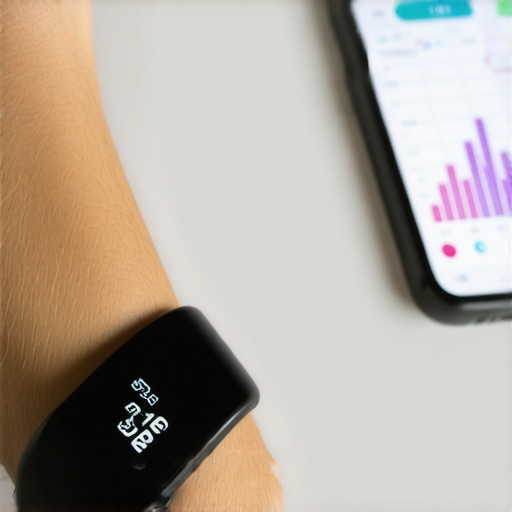
I used to think that a once-a-year checkup was enough to keep me on track. I was wrong. Maintenance isn’t a yearly event; it’s a weekly rhythm. To keep my biology optimized, I rely heavily on a ‘tech stack’ that provides constant feedback. For me, that starts with a Continuous Glucose Monitor (CGM). Why? Because it showed me that my ‘healthy’ morning oatmeal was spiking my glucose to levels usually seen in diabetics. This immediate feedback allowed me to implement 3 moves to stabilize your blood sugar before your next wellness check without having to wait six months for another lab draw. Seeing the data change in real-time turns health from a mystery into a manageable project.
Stop Guessing and Start Tracking Your Data in Real-Time
The real secret to scaling your health is moving from reactive to predictive care. This is where telehealth innovations how virtual care is changing wellness truly shine. Instead of a generic GP, I work with a specialist who views health through the lens of ‘Medicine 3.0’—a term coined by longevity expert Dr. Peter Attia in his technical work ‘Outlive’. This framework prioritizes prevention and the delay of chronic disease by decades. By unlocking the power of telehealth for fast convenient wellness access, I can tweak my protocols in real-time based on my latest wearable data and lab results. It’s about having a co-pilot who understands that ‘average’ is the enemy of ‘optimal’.
How do I maintain these high-performance lab markers over time?
The answer is simple but requires discipline: you have to treat your health data like a financial portfolio. You wouldn’t check your retirement account once every five years and expect to retire wealthy. I use why regular lab tests are critical for your wellness journey as quarterly audits. This helps me identify how lab tests can detect hidden health risks early in your wellness pathway before they become symptomatic. I also ensure my preventive measures are up to date by boosting your immunity with expert vaccination tips that align with my current inflammatory status. Consistency in testing is what separates those who age gracefully from those who hit a biological wall in their fifties.
The Future of Your Home-Based Lab
Looking ahead, I predict we are less than five years away from widespread ‘home-brew’ diagnostics becoming the standard. We are moving toward a future where a single drop of blood from a finger-prick device on your nightstand will upload a full metabolic panel to your virtual health coach before you even finish your first cup of coffee. This isn’t sci-fi; it’s the inevitable scaling of revolutionizing wellness how telehealth transforms personal care. If you want to get ahead of the curve, stop waiting for permission. Try this today: go to a private lab and order a fasting insulin test yourself. It’s the single most powerful way to see the one habit that actually lowers your fasting insulin and start your journey toward true, data-driven longevity.
The Hardest Lesson I Learned About Chasing Optimal Health
Looking back, the biggest mistake I made was trusting a system designed for sick people to keep me healthy. I spent years assuming that ‘within range’ meant I was safe. Here are the core truths I wish I had embraced sooner:
- The ‘Normal’ Range is a Floor, Not a Ceiling: If you want to perform at your best, you have to look at optimal levels, not just the absence of disease. This is why regular lab tests are critical for your wellness journey—they provide a baseline for progress, not just a red flag for failure.
- Data Without Context is Noise: A single high cortisol reading might mean you’re stressed, or it might just mean you didn’t sleep well the night before. Context matters.
- Proactivity is Cheaper Than Recovery: It is far easier to nudge a fasting insulin level down today than it is to reverse full-blown metabolic syndrome in a decade. Seeing how lab tests can detect hidden health risks early in your wellness pathway changed my entire perspective on ‘preventive care.’
The Essential Toolkit for Tracking Your Biology
If you are ready to stop guessing, you need a reliable framework. I personally rely on these three pillars to keep my numbers moving in the right direction: self-ordered labs through private portals, wearable technology like CGMs, and specialists who understand the difference between ‘not sick’ and ‘optimized.’
#IMAGE_PLACEHOLDER_E#
By moving away from generalists and toward providers who use telehealth insights the future of accessible healthcare services, you get a deep-dive analysis of your biomarkers that a fifteen-minute physical simply cannot provide. This also extends to your immunity; instead of generic shot schedules, I now use personalized vaccination schedules for better disease prevention based on my current inflammatory state and life circumstances.
Stop Waiting for a Diagnosis to Start Living
Your future health is a compounding asset. Every small adjustment you make today—whether it’s timing your labs more precisely or finally tracking your fasting insulin—pays massive dividends in the years to come. Don’t let the limitations of a traditional clinic dictate your biological potential. By utilizing modern technology and staying curious about your data, you are no longer just a patient; you are the architect of your own longevity. The path to a vibrant, high-energy life is paved with the information you gather today. Have you ever had a lab result come back ‘normal’ while you still felt like something was deeply off? Let me know in the comments below!