
7 Signs Your Telehealth Doctor is Actually Listening to Your Concerns
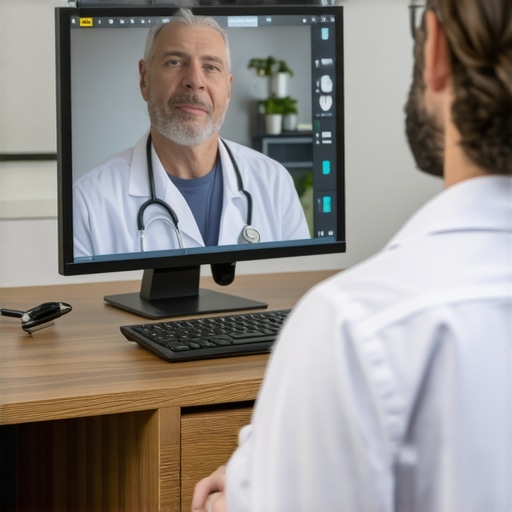
I remember the first time I had a telehealth appointment, filled with hope that finally, I could get personalized care without battling through traffic or waiting rooms. But as the video call progressed, I felt a strange disconnection—like my doctor was reading from a script, not really hearing what I was saying. That lightbulb moment hit me hard: *How do I know if my doctor genuinely listens through a screen?*
Many of us have experienced this: a check-in that feels superficial, leaving us more confused than before. These moments aren’t just frustrating—they can impact the quality of your health care and your peace of mind. If you’ve ever wondered whether your virtual doctor is truly tuning in, you’re not alone. That’s exactly what I want to explore today.
Our goal is simple but crucial: *to help you recognize when your telehealth doctor is really listening and providing the personalized care you deserve.* Because, let’s face it, quality communication — even on a screen — is the backbone of effective health management.
The Breakthrough: Recognizing Genuine Attention in Virtual Visits
Many people mistake mere responsiveness for true listening. A doctor might ask standard questions or nod along, but that doesn’t mean they’re engaged. The real sign of a caring and attentive telehealth provider isn’t just in their words; it’s in their ability to pick up on what you’re not saying and make you feel truly heard. Recognizing these signs can transform your health journey, making it more effective and less stressful.
Before I discovered what to look for, I too fell into the trap of thinking “they seemed fine.” But after a few missed cues and half-hearted responses, I realized I was making a classic mistake: settling for surface-level interactions that didn’t address my core concerns. Early on, I overlooked signs like dismissing my details or rushing through the appointment—reminders that I needed to be more proactive about understanding how my provider communicates.
Interestingly, a study by the *American Medical Association* reveals that patients who feel heard are more likely to follow treatment plans and report higher satisfaction. That’s why learning the **7 Signs Your Telehealth Doctor is Actually Listening** is such a game-changer.
If you’re tired of feeling ignored on your virtual visits or unsure if your concerns are truly being addressed, stay tuned. We’ll dive into the specific signs to watch for and practical tips to ensure your virtual health experience is as attentive and personalized as in-person care. Want to share your own experience with virtual doctor visits? Drop a comment below or visit our *[Contact Page](https://vitalclinicmd.com/contact-us)* to connect directly. Let’s empower ourselves to get the care we deserve, no matter where we are.
Prepare Your Questions in Advance
Before your virtual appointment, jot down specific concerns or symptoms. This ensures you cover everything without forgetting critical details, much like assembling a checklist for a tight schedule. During my last visit, I wrote down my recurring fatigue and joint pains, which helped me direct the conversation effectively, leading to targeted tests and faster answers.
Create a Private, Distraction-Free Environment
Choose a quiet space with good lighting where you won’t be interrupted. This minimizes distractions and helps the doctor focus on you, similar to tuning a radio for clear reception. I once took a consultation while in a noisy café; the poor connection and background noise made it harder for my doctor to hear my concerns, prolonging the appointment unnecessarily.
Use Visual Aids and Shared Images
Leverage your device’s camera to show physical issues, such as skin rashes or swelling, to your doctor. Additionally, sharing images or videos can clarify symptoms that are hard to describe verbally. In one instance, showing a photo of a rash expedited my diagnosis and treatment plan, avoiding unnecessary in-person visits.
Request Clear Explanations and Summaries
Ask your provider to repeat key points or confirm their understanding of your issues. Doing so is like confirming directions — it ensures you’re both on the same page. I often paraphrase advice to make sure I’ve understood it correctly, reducing miscommunication that could delay effective care.
Verify Follow-Up Plans and Next Steps
At the end of your visit, confirm any additional tests, treatments, or referrals needed. If lab tests are required, inquire about remote options and how to access results promptly. For example, I requested a specific lab panel related to my wellness, and the provider helped me arrange for home testing kits, which I could send via mail, saving time and travel.
Leverage Telehealth Resources for Ongoing Care
Utilize telehealth platforms to access resources like vaccine records, medication renewals, or specialist referrals without visiting clinics physically. Knowing how to navigate these services enhances your care—like having a remote health assistant at your fingertips. I used this approach to renew my prescriptions swiftly, avoiding delays during busy times.
Access Lab Testing for Better Insights
Combine telehealth with lab testing to get a comprehensive picture of your health. For personalized vaccination schedules or preventive measures, consult reputable sources such as this guide on key tests. In my case, these tests revealed nutritional deficiencies that were masked by standard panels, leading to more effective interventions.
Stay Proactive and Document Everything
Keep records of your appointments, tests, and treatments. Save digital copies of lab results, vaccination cards, and correspondence. This habit creates a health portfolio you can reference or share when needed, much like organizing important documents in a well-structured folder. Regular documentation helped me track my progress and better communicate with my healthcare team.
Many people assume that vaccinations, telehealth, lab tests, and wellness practices are straightforward, but delving deeper reveals common misconceptions and overlooked complexities. For instance, a prevalent myth is that more frequent lab testing always equals better health insights. In reality, unnecessary tests can lead to confusion, false positives, and even unnecessary anxiety, especially when patients aren’t aware of the specific markers that truly matter. For example, routine panels often miss early signs of inflammation that could signal underlying issues—learning to discern which tests provide actionable data is crucial.
Advanced practitioners emphasize the importance of targeted testing rather than blanket screenings. This precision approach minimizes false alarms and focuses on markers like specific heart health indicators that better predict risks.
Regarding telehealth, many believe that virtual visits can’t offer the same nuances as in-person care. However, this oversimplification ignores the technological advancements that allow for remote assessments, visual examinations, and even at-home sample collection. The key is understanding how to leverage telehealth platforms effectively—not just for convenience but for obtaining comprehensive care. If you’re curious about leveraging telehealth capabilities, explore this guide to maximize benefits.
A critical nuance most overlook is that wellness isn’t solely about adding more tests or supplements but understanding the interplay of biological markers. For example, a common mistake is focusing solely on vitamin D levels without considering other nutrients that influence immune function. Personalized approaches, like customizing vaccination schedules based on precise lab data, can dramatically improve health outcomes. Find out how integrating lab results and vaccinations can optimize your wellness.
Moreover, misconceptions about vaccination timing and necessity persist. Some believe that vaccines are a one-size-fits-all solution, but in fact, personalized schedules based on lifestyle, age, and medical history significantly enhance efficacy and safety. For example, tailored vaccination plans ensure your immune system is optimally supported.
What critical nuances do you think people often miss about their health routines? Share your thoughts in the comments, and remember—being informed is the first step toward smarter health choices.Maintaining your health toolkit is crucial for long-term wellness, especially with advancements in telehealth, lab testing, and preventive care. One of my key strategies involves using a reliable digital health platform like *VitalClinicMD’s telehealth services*, which streamlines appointment scheduling, prescription refills, and access to lab results all in one place. This integrated approach reduces appointment delays and keeps my health data organized, making ongoing management effortless. For tracking lab results over time, I recommend adopting **secure health record apps** such as *MyChart* or *HealthVault*, which allow you to upload and monitor your test data without waiting for mailed reports, ensuring quick insight into potential issues. As technology evolves, I predict a shift toward more personalized, AI-driven health assistants that analyze your biometrics continuously—think of these as your virtual health coaches that alert you before symptoms become severe, based on patterns detected through wearable devices.
How do I maintain my health tools and practices over time?
By regularly updating my digital apps and integrating at-home testing kits, I ensure my health data remains current and actionable. Maintaining a connection with your healthcare provider through telehealth platforms like *VitalClinicMD* also ensures your personalized plan adapts to changing needs. I’ve found that committing to quarterly reviews of lab results and health metrics using these tools not only keeps me informed but also empowers me to take proactive steps—like adjusting supplements or scheduling preventive screenings. To enhance sustainability, I schedule routine data reviews—think of it as servicing your car—so potential issues are caught early, saving time and money in the long run. Incorporating at-home lab testing, such as *nutritional panels or hormone assessments*, minimizes the need for recurrent clinic visits; I personally use *at-home kits* for vitamin D and iron levels, which helps me maintain optimal ranges continuously. As outlined in concepts from *Understanding the Role of Lab Tests in Preventive Wellness*, staying proactive with targeted testing is essential to catch hidden risks early and tailor your wellness plan effectively. Try setting a recurring reminder every three months to review your health app logs and lab results—this simple habit can make a significant difference. Remember: your health is an ongoing project, and having the right tools in place helps keep everything running smoothly and efficiently.
The Hardest Lesson I Learned About vaccinations,telehealth,lab tests,wellness
Early on, I believed that virtual appointments could never match the depth of in-person care. I was mistaken. Real listening isn’t about nodding along; it’s about catching the subtle cues, asking the right follow-ups, and genuinely engaging with your concerns. That revelation changed my entire approach to telehealth and made me value quality over convenience.
3 Myths About vaccinations,telehealth,lab tests,wellness That Held Me Back
I used to think that all lab tests were redundant if I felt okay, and that telehealth was just a quick fix rather than a comprehensive tool. Learning the importance of targeted testing and treating telehealth as an extension of ongoing care rather than a shortcut was pivotal in my wellness journey.
What Experts Won’t Tell You About vaccinations,telehealth,lab tests,wellness
Many professionals omit how personalized strategies—like scheduling specific labs based on unique health markers—can dramatically improve outcomes. The secret is understanding which tests are truly worth your time and how to navigate telehealth platforms for maximum benefit. This insight empowered me to take control of my health proactively.
My Essential Toolkit for Optimizing Telehealth and Wellness
Having reliable digital platforms such as VitalClinicMD has been invaluable. They streamline appointments, provide quick access to lab results, and facilitate personalized vaccination plans. I also rely on deeply targeted lab tests to uncover hidden health risks, making my wellness strategy both precise and effective.
Harnessing Your Emotions to Drive Better Health Choices
Feeling frustrated or overwhelmed can sometimes hinder progress. I’ve learned to channel these emotions into motivation—reminding myself that each proactive step, like updating my immunization records or reviewing my lab results, is a victory on the path to better health. Your journey might be personal, but these actionable tools are universally empowering.
Your Chance to Transform Your Care Routine
Imagine having a health system that adapts to your lifestyle—integrating telehealth, at-home testing, and real-time monitoring. The future of health is about fluid, personalized, and accessible care, and you can be at the forefront of this transformation. Take charge today, and your future self will thank you.
What’s one aspect of your health routine that you’re ready to rethink or improve? Share your thoughts below and let’s start a conversation about smarter, more personalized wellness journeys.