
Why Your ‘Normal’ Thyroid Results Might Actually Be Suboptimal
I remember the moment clearly—sitting in my bathroom, staring at my latest blood test results, feeling a mix of relief and confusion. My thyroid levels were marked as “normal,” yet I couldn’t shake off the fatigue, brain fog, and stubborn weight I just couldn’t seem to shake. It dawned on me: could my labs be normal, yet my health still be off-kilter?
That lightbulb moment is all too common. Many of us trust the “normal” ranges on lab tests without questioning whether they truly reflect our individual health needs. But here’s the truth: what’s considered “normal” might not be optimal for you personally.
Today, I want to share my journey and insights so that you don’t have to navigate this confusing maze alone. We’ll explore why standard lab ranges might mask underlying issues and how understanding your unique health markers can make all the difference.
Standard Lab Ranges: Are They Really a ‘One-Size-Fits-All’ Solution?
Many people assume that if their lab results fall within the “normal” window, they’re in the clear. But that’s a bit of a myth. These ranges are often broad averages, based on populations that include unhealthy individuals. According to recent research, relying solely on standard lab ranges can overlook early signs of imbalance, especially in thyroid function, where symptoms often precede lab abnormalities (source).
In my early days of testing, I made the mistake of dismissing slight deviations in my labs, thinking “it’s within the range.” Little did I realize, those subtle markers were telling a story—one that my body was trying to communicate long before it became symptomatic. This mistake delayed intervention and prolonged my discomfort.
The key takeaway? Your “normal” is not necessarily your “healthy,” especially if you’re still experiencing symptoms despite your labs claiming otherwise.
If this resonates with you, you’re not alone. Many are waking up to the fact that personalized health care, including tailored lab testing and interpretation, can unlock the clues your body’s been signaling. Want to learn how to read your labs more effectively and advocate for yourself? Stay tuned—better health might just be a test away.
Order Your Personal Lab Tests Without Hassle
Start by identifying which health markers are most relevant to your symptoms or concerns. Use telehealth platforms to request these tests, like thyroid panel, nutrient levels, or inflammation markers (source). I personally scheduled a comprehensive panel after a busy week by simply contacting a telehealth provider, avoiding long waiting rooms, and receiving my test kit at home. This saves time and reduces stress.
Interpret Your Results with Precision
Once you receive your labs, don’t just check if results fall within generic ranges. Instead, research known optimal zones for your age and health status (source). Keep a detailed log of your values and symptoms. For example, I noticed my vitamin D was low, despite being marked as acceptable, which prompted me to increase supplementation and retest in a few months.
Use Visual Aids to Clarify Data
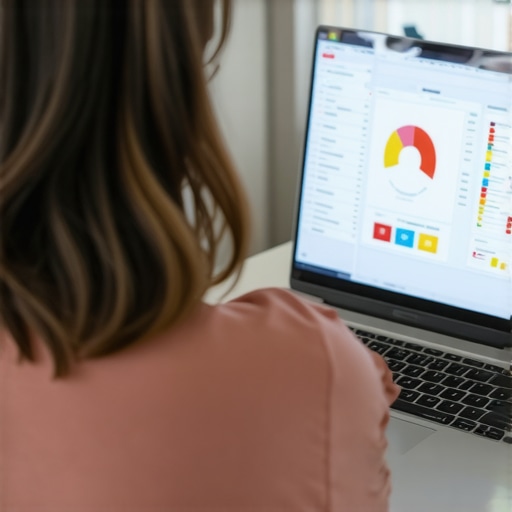
Visual graphs comparing your lab values against optimal ranges can help you clearly see where you stand and act accordingly.
Leverage Telehealth for Expert Guidance
Book virtual consultations to discuss your results directly with healthcare professionals. They can interpret complex data and suggest tailored interventions, like diet modifications or targeted supplements (source). I did this after reviewing my labs and found that a quick telehealth session clarified my nutritional gaps and helped me implement personalized strategies efficiently.
Integrate Supplements and Lifestyle Changes
Activate your plans by incorporating targeted supplements, adjusting diet, or adding exercise based on your test insights. Regular follow-ups via telehealth can monitor progress without the need for frequent in-person visits. I set reminders to retest specific markers every few months so I can adjust my approach promptly.
Combine Labs with Preventive Vaccination Planning
Ensure your immunity is strong by syncing lab results with vaccination schedules. Personalize vaccine choices considering your current health status and lab markers (source). For instance, I coordinated my labs and vaccines through telehealth, enhancing my protection against preventable illnesses while avoiding unnecessary or redundant shots.
Stay Consistent and Proactive
The cornerstone of maximizing your health is consistent monitoring. Set calendar reminders to retake tests, review data, and consult professionals. With telehealth making feedback loops seamless, you can respond swiftly to changes and optimize your wellbeing continuously.
While many believe that a simple lab result or a telehealth appointment is a surefire way to understand and optimize your health, there are subtle pitfalls that can lead your efforts astray. One common misconception is that standard lab ranges are universally applicable, but in reality, they often serve as broad averages rather than personalized benchmarks. Relying solely on these can cause you to overlook early warning signs or nutritional deficiencies that don’t yet reflect in the lab but are felt in your daily life (source).
Moreover, the myth persists that digital consultations automatically mean comprehensive care. However, without understanding the nuances of your lab data or knowing which specific markers to request, you risk misinterpreting results or missing critical indicators. The secret lies in learning how to interpret your results within your unique context, which many overlook.
Another sneaky trap involves vaccinations. The common belief is that once you’re vaccinated according to standard schedules, you’re fully protected. But this approach ignores individual variables—like existing health conditions or specific lab results—that can and should inform personalized vaccination plans. Using telehealth to tailor these strategies can significantly bolster your immunity, yet many miss this opportunity, relying on one-size-fits-all schedules instead (source).
For advanced readers questioning how to navigate this complexity, consider the importance of comprehensive testing that includes markers often skipped in routine panels. For example, some nutritional deficiencies or hormonal imbalances are subtle and require targeted testing to uncover (source). Without this, you’re essentially flying blind, trying to optimize your health based on incomplete information.
Remember, the key isn’t just in having the data but in understanding its significance in the context of your personal health. Do you know which lab markers could be clues to your hidden health risks? If not, investing in personalized testing and expert interpretation through telehealth may be your best move. After all, proactive health isn’t about reacting to symptoms but about catching the signals early before they turn into problems. Want to get ahead of your health markers? Explore how to unlock deeper insights with your lab results and consultations (source).
Have you ever fallen into this trap? Let me know in the comments.Maintaining your health over the long term requires more than sporadic tests and quick fixes; it demands reliable tools and systems integrated into your daily routine. One of my key strategies is leveraging advanced wearable technology to monitor vital signs continuously. I personally use a Fitbit Sense, which tracks heart rate variability, sleep quality, and stress levels in real-time, allowing me to identify subtle changes before they become problematic. The data it provides is invaluable for making informed decisions about lifestyle adjustments without waiting for lab results. For data analysis and trend tracking, I rely on Apple Health and Google Fit, as they seamlessly aggregate health metrics from multiple devices and apps, providing a comprehensive picture of my wellness journey. These platforms also allow me to set personalized goals and reminders, fostering consistency. For dietary tracking, I use MyFitnessPal, which has an extensive food database and barcode scanner, enabling precise logging of nutrient intake. Consistent monitoring of macro and micronutrients helps me stay aligned with my health objectives. When it comes to telehealth, I prefer platforms like VitalClinic, which offers secure and private consultations. Their user-friendly interface and prompt response capabilities mean I can book appointments, discuss lab results, and adjust health strategies swiftly. According to recent insights, remote health management through telehealth is now the standard for proactive wellness, with the trend expected to grow even more in 2026 (source). As technology advances, expect smarter devices with AI-driven analytics to predict health issues before symptoms appear. To stay ahead, I encourage trying out a continuous health monitoring device, like the Oura Ring, which provides detailed insights into sleep, activity, and readiness scores. This small investment can empower you to make real-time adjustments that promote long-term vitality. What’s critical is integrating these tools into your daily routine and reviewing the data regularly—small, consistent actions lead to sustainable health.
The Deep Lessons I Didn’t Expect from My Wellness Path
One of the most profound realizations I encountered was that standard lab ranges often serve as a blunt instrument—broad, generalized, and not tailored to the intricacies of individual health. This made me question whether relying solely on these ranges was enough, especially when subtle symptoms persisted. The lightbulb moment came when I realized my body’s signals were more precise than the generalized thresholds suggested; this taught me to look beyond the number and interpret the story they told about my unique physiology.
I also learned that telehealth isn’t just a convenience—it’s a game-changer in proactive health management. Scheduling telehealth consultations to interpret my labs and discuss personalized strategies proved to be more empowering than traditional, reactive approaches. It opened my eyes to how accessible expert guidance can be, even without in-person visits, and reinforced that health is a continuous dialogue, not a one-time check.
A crucial insight was the importance of integrating visual data analysis into my routine. Using graphs and charts to compare my lab results against optimal ranges helped me identify patterns and potential issues early. This practice transformed how I viewed my health markers—from static numbers to active insights, guiding actionable steps for improvement.
Most unexpectedly, I discovered that aligning my vaccination schedule with my lab markers and overall health status drastically boosted my immunity. This personalized approach, facilitated by telehealth, underscored that vaccines are not one-size-fits-all; they should be tailored to your current health landscape, ensuring better protection and peace of mind.
Finally, I realized that long-term health hinges on consistency and leveraging technology. Incorporating wearable devices, periodic lab testing, and regular telehealth check-ins creates a holistic system that alerts me to subtle changes before they become symptoms. This proactive stance has changed my perspective from waiting for illness to preventing it through continuous, informed action.