
5 Vital Liver Markers Your Standard Physical Often Skips

It was a typical Tuesday, and I was sitting in the clinic’s waiting room, feeling perfectly fine—or so I thought. But as I glanced at my recent blood test results, I suddenly froze. A couple of key liver markers were off, yet no one had told me to look for them. That lightbulb moment hit me hard: I’d been missing crucial clues about my health because my routine physical skipped some vital details. And honestly, I felt a bit betrayed by my own body.
Why Standard Checkups Leave Out the Liver’s Hidden Signals
If you’re like most people, your regular physical might include your weight check, blood pressure, and perhaps a cholesterol panel. But here’s the truth—**your liver health isn’t fully assessed in these common tests**. Despite its vital role in detoxification, energy, and metabolism, many standard labs overlook some essential liver markers that could flag trouble early. The problem? These overlooked markers can reveal underlying issues long before symptoms appear, giving you an edge in prevention.
Early in my wellness journey, I made the mistake of trusting a standard panel to tell the full story of my health. It wasn’t until I learned about the importance of specific liver tests—like ALT, AST, and GGT—that I realized how much I was missing. These markers help detect early signs of liver stress or damage, which can be subtle or even silent at first.
Did you know that according to recent studies, nearly 25% of adults have some degree of liver steatosis, yet many go undiagnosed because routine tests don’t include specific markers for liver health? That’s a staggering number, and it underscores how easy it is to overlook essential signals.
Wanna know the truth? Many of us skip or are unaware of these vital tests because our healthcare providers don’t routinely include them in standard panels. Instead, they focus on what’s most common, leaving some silent but serious issues hidden away. Want to learn how to catch these early warning signs? Keep reading, because I’ll guide you through the key markers you should ask your doctor for and how these tests can fit into your wellness plan, especially with today’s telehealth options. For more insights on the role of lab tests in preventive care, check out [this article](https://vitalclinicmd.com/understanding-the-role-of-lab-tests-in-preventive-wellness).
Order the Right Tests: Know What Your Body Truly Needs
The first step is to determine which specific liver markers you should check—primarily ALT, AST, and GGT, as they reveal early signs of liver stress. When I suspected I was missing critical insights, I used telehealth services to consult with a provider and order these tests without leaving my home. This approach ensures you avoid the common pitfall of relying solely on standard panels that often skip these vital markers. To see why regular lab tests are essential for your wellness journey, check out this resource.
Utilize Telehealth for Convenient Testing and Follow-up
Schedule a virtual appointment with a healthcare professional who can interpret your current health status and recommend targeted tests. Using telehealth platforms like Vital Clinic, you can receive prescriptions for lab work, which are then conveniently sent to your local lab or directly mailed to your home. Think of telehealth as your health concierge—streamlining diagnosis and reducing unnecessary visits. This method is particularly effective if you’re managing ongoing concerns or need a quick consultation to adjust your wellness routine; explore the benefits of telehealth.
Perform Self-Directed Sample Collection When Possible
Many at-home testing kits allow you to collect blood samples safely and efficiently. For liver markers, a finger-prick kit might be all you need. I remember using one during a busy week—initially messy, but it saved me a lot of time and anxiety sitting in a clinic waiting room. After mailing the sample, I received my results within days, helping me make immediate adjustments. This approach mirrors how telehealth services are revolutionizing routine testing, making it faster and less invasive. To see how lab tests can detect hidden risks early, visit this article.
Monitor Results and Adjust Lifestyle Accordingly
Once you have your test results, review them with your healthcare provider—preferably via telehealth for convenience. If markers indicate liver stress, consider modifying your diet—reducing alcohol, avoiding processed foods high in sugars, and incorporating liver-friendly nutrients like milk thistle. Tracking these markers over time helps you gauge the effectiveness of your changes. Remember, early intervention based on these signals can prevent more serious issues down the line. For personalized guidance, explore strategies for maximizing your health.
Integrate Wellness Checks Into Your Routine
Incorporate regular lab testing—every 6 to 12 months—into your wellness plan, especially if you have risk factors like obesity or alcohol use. Use telehealth for seamless scheduling and interpretation, making it easier to stay proactive. This proactive approach empowers you to catch liver issues early, much like catching a leak before it floods your house. The key is consistency and leveraging accessible tools designed to fit into your busy life. To better understand how lab tests fit into overall preventive care, see this detailed explanation.
Many assume that telehealth and at-home testing are perfect solutions that eliminate the need for in-person visits, but this oversimplification can lead to missed diagnoses and ineffective health strategies. A common myth is that ordering a few lab tests remotely can replace comprehensive physicals; in reality, understanding the nuances and limitations of remote diagnostics is crucial. For instance, many people focus solely on standard cholesterol panels, ignoring specialized markers like high-sensitivity CRP, which provide a deeper insight into inflammation and cardiovascular risk. Moreover, relying solely on online platforms without understanding the importance of specific tests can result in a false sense of security.
Invest in Reliable Tools for Consistent Health Maintenance
Maintaining optimal health over time requires more than just periodic testing; it demands a suite of dependable tools and systems to monitor, analyze, and adapt your wellness strategies effectively. I’ve personally integrated a combination of high-quality devices, user-friendly software, and streamlined routines to keep tabs on my health daily. For instance, a continuous glucose monitor (CGM) like the Freestyle Libre has transformed how I observe my blood sugar fluctuations without causing discomfort or requiring frequent finger pricks. This real-time data enables me to adjust my diet and activity proactively, preventing issues before they escalate.
Pairing these devices with comprehensive health management platforms enhances my ability to track trends over months, making it easier to spot early warning signs. Applications like Cronometer facilitate detailed nutrient intake analysis, ensuring I meet my dietary goals and identify deficiencies quickly. Regular syncing of these tools with my telehealth provider creates a continuous feedback loop that fosters accountability and informed decisions—essential components for sustainable wellness.
How do I keep my health monitoring effective over years?
Long-term maintenance hinges on choosing versatile, reliable tools that evolve with your needs. I recommend investing in digital health platforms that integrate data from multiple devices, enabling you to view your health landscape comprehensively. Additionally, scheduling routine virtual check-ins with healthcare professionals maximizes the utility of your tech setup, ensuring any anomalies are addressed promptly. As telehealth options mature, they’re becoming invaluable for ongoing care, especially when coupled with advanced home testing kits that detect early metabolic stress markers. For a deeper dive into the role of lab tests in sustaining health, check out this cornerstone resource.
When selecting tools, prioritize those with proven accuracy, seamless data integration, and user-friendly interfaces. Remember, the goal is to create a system that effortlessly fits into your daily routine, allowing you to focus on lifestyle adjustments rather than battling complex tech. Predictive analytics are advancing rapidly—future tools will likely offer even more personalized insights, enabling us to preempt issues long before they manifest physically.
Streamlined Maintenance with Telehealth and Automated Reminders
One aspect I swear by is setting up automated alerts for upcoming lab tests, medication refills, or wellness check-ins. Many telehealth platforms now support push notifications that remind you when it’s time for the next test or appointment—taking the guesswork out of ongoing compliance. Combining this with subscription-based lab testing services, which mail kits directly to your home, creates a seamless routine that maintains your health baseline without adding stress.
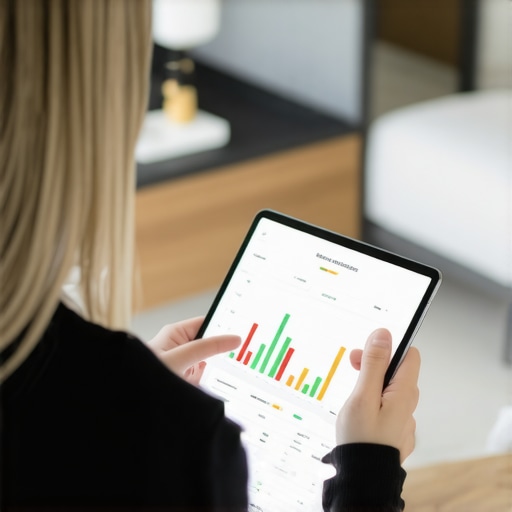
Imagine an image showing a person using a digital health dashboard on a tablet, with various health metrics like blood pressure, glucose, and activity levels, symbolizing integrated health management.
As I refine my system, I keep in mind that technology is only part of the equation—consistent review and adjustment are vital. Regularly revisiting your toolkit and staying informed about emerging health tech ensures your wellness journey remains sustainable and scalable.
Start by choosing one reliable device or app today, like a home lab test kit or a health-tracking app, and commit to integrating it into your routine. Remember, small consistent steps lead to lasting health benefits, especially when supported by trustworthy tools and expert guidance. Want more proven strategies? Dive into this resource for insights on how regular assessments underpin lasting wellness.
The Hardest Lesson I Learned About Telehealth and Early Detection
Initially, I believed that relying solely on standard physicals and routine checkups was enough to keep me safe. It wasn’t until I faced an unexpected health concern that I realized how much crucial information is tucked away in specific liver markers and advanced tests that many overlook. This taught me the importance of proactive, personalized testing and the value of leveraging telehealth for tailored insights.
My Wake-Up Call: The Value of Specialized Testing
One lightbulb moment was discovering how markers like ALT, AST, and GGT can unveil early signs of liver stress—before symptoms even appear. Learning to ask for these tests through telehealth platforms transformed my approach from reactive to preventive. Trusting generalized panels can mask underlying issues; personalized diagnostics are the real game changers.
Why I Now Prioritize Targeted Labs Over Standard Checks
I’ve come to understand that many routine labs miss subtle but significant signals related to metabolic health, inflammation, or hormonal balance. Regularly updating my testing routine and utilizing telehealth providers allows me to catch risks early and adjust my lifestyle accordingly. It’s empowering to have the tools and knowledge to act before a problem escalates.