
3 Travel Vaccines You Need for South American Trips
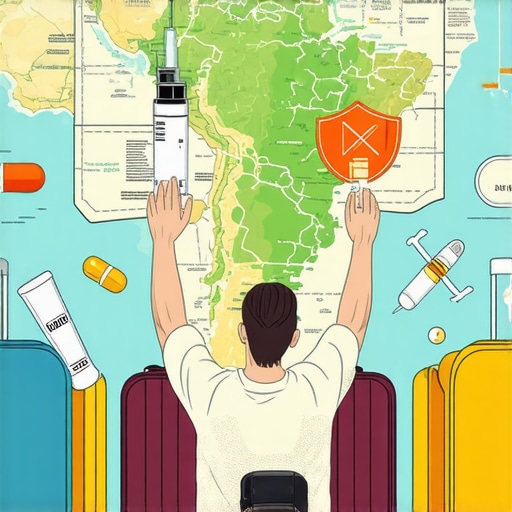
It hit me like a ton of bricks during my last trip—standing in line, feeling a little feverish, realizing I’d forgotten one crucial piece: my travel vaccinations. That odd moment of panic, the worry that I might jeopardize not just my trip but my health, was a lightbulb moment. It made me realize how easy it is to overlook the importance of proper immunization planning, especially when juggling busy schedules and travel chaos. Have you ever faced that nagging doubt about whether your vaccines are up to date before a trip? You’re not alone.
Why Skipping Vaccinations Can Ruin Your South American Adventure
Traveling to South America promises breathtaking landscapes, vibrant cultures, and unforgettable experiences. But lurking beneath the excitement are health risks that are often underestimated. Without proper vaccines, you’re exposing yourself to diseases like yellow fever, hepatitis, and typhoid—risks that can turn your dream trip into a health nightmare.
When I first started traveling, I believed a quick visit to the doctor for a quick shot was enough. I was wrong. Early on, I made the mistake of assuming that all vaccines are the same, or that my routine immunizations would cover everything I needed. That misconception led to last-minute scrambling before my latest trip, a stressful experience I won’t forget. It’s a common mistake, but an avoidable one. Learning about the essential vaccines well in advance can save you money, time, and peace of mind.
Did you know that some diseases are endemic to specific regions in South America? For instance, yellow fever Vaccination is mandatory for certain areas, and failing to get it can result in denied entry or worse, illness. According to health experts, proactive vaccination is one of the most effective ways to protect your health and ensure your trip is filled with memories—not medical emergencies. For tailored advice, I recommend checking out more about the role of lab tests in preventive wellness.
So, how can you confidently prepare? That’s what I’m here to help you figure out. Let’s go through the three travel vaccines every traveler should consider before setting foot in South America, and how to make the process smooth and stress-free.
Schedule a Comprehensive Lab Test First
Begin by booking a thorough lab panel to assess your overall health and identify any existing deficiencies or risks that could interfere with vaccines. This will serve as your baseline, making sure you aren’t missing hidden health issues that could compromise your immunity. I vividly remember my first attempt at this; I tried to keep it simple, but my results revealed hidden inflammation markers that I wouldn’t have known about otherwise. For a full picture, consult this guide on lab tests in preventive wellness.
Review Vaccine Requirements Specific to Your Destination
Next, research the region-specific vaccines needed for South America. Use authoritative sites to check if any vaccines are mandatory or highly recommended, such as yellow fever or typhoid. It’s like preparing a checklist for your wellness journey — missing a step could delay your trip or jeopardize your health. I once assumed I could skip some vaccines, only to find myself stranded at the airport, having to scramble for last-minute shots. Tailor your plan by visiting these personalized vaccination schedules.
Leverage Telehealth for Expert Guidance
Consult a healthcare provider via telehealth to develop your individual vaccination plan. This approach is as efficient as having a doctor in your pocket, especially when dealing with complex requirements or last-minute preparations. During my experience, I used telehealth to get rapid advice on combining vaccines and lab tests, saving me days of waiting. Discover how virtual care can expedite your wellness planning with this resource about telehealth transformation.
Get Your Vaccines Through Convenient Delivery Services
Once your plan is set, arrange to receive your vaccines through local clinics, pharmacies, or mobile health services that partner with telehealth providers. This way, you avoid long waits and crowded clinics, much like ordering groceries to skip the supermarket lines. I once opted for a same-day vaccination service and appreciated how seamless and stress-free it was. To understand how to optimize your vaccination logistics, check this guide on travel shot logistics.
Follow Up with Personalized Monitoring
After vaccination, schedule personalized follow-up lab tests to confirm immunity levels or identify any adverse reactions. Think of it as a security check that ensures your body responded well. Using telehealth for scheduling and reviewing results makes this process quick and accessible. This step helped me reassess my immunity status before a previous trip, giving me added peace of mind. Learn more about maximizing health through lab testing and vaccinations.
Many people believe that scheduling a few lab tests and getting vaccinated are all it takes to stay healthy, but in my experience, this oversimplifies a complex process. A common misconception is that all lab tests are created equal; in reality, choosing the right tests, like those outlined in essential lab tests for vaccination planning, can make a significant difference in your health outcomes. Missing this nuance can lead to false reassurance or overlooked risks.
Another trap many fall into is relying solely on telehealth for wellness management. While telehealth offers incredible convenience, it can sometimes give a false sense of comprehensive care. As discussed in the benefits of telehealth, virtual consultations should be complemented with targeted lab assessments and personalized plans to truly optimize health.
A prevalent myth is that vaccinations are a one-and-done solution. In fact, immunity can diminish over time, requiring proper follow-up with specific lab tests like immune response monitoring. Failing to reassess immunity levels after vaccines can leave gaps in protection, especially for travel or high-risk populations.
Advanced practices involve parsing out subtle signals from your lab data. For example, some health professionals advocate for checking hidden markers like ferritin or inflammation levels, which standard tests often miss. These nuances can reveal underlying issues such as micro-inflammations that silently impair your wellness.
From a practical standpoint, an often-overlooked nuance is understanding the timing of tests and vaccines. For example, performing blood work during fasting or at a specific time of day can dramatically affect accuracy, a detail emphasized in test timing guides. Misreading or ignoring these subtleties can lead to misdiagnoses or ineffective interventions.
Finally, the hidden nuance is that wellness isn’t merely about immediate fixes but about building an ongoing, personalized data-driven strategy. Incorporating targeted lab testing, understanding the limitations of telehealth, and recognizing the importance of follow-ups can transform what seems like routine care into a powerful wellness blueprint.
Have you ever fallen into this trap? Let me know in the comments.
Once you’ve laid the foundation with lab tests and vaccinations, maintaining your wellness becomes an ongoing process that requires the right tools and strategies. Personally, I rely heavily on a combination of digital health apps and at-home testing kits to stay proactive. For instance, my preferred blood glucose monitoring system isn’t the traditional finger-prick device but a continuous glucose monitor (CGM) that pairs with my smartphone via Bluetooth. This allows me to track my blood sugar fluctuations in real-time, providing insights that static lab tests can’t capture. Such devices are becoming more affordable and accessible, making it easier to monitor key health markers regularly.
In the future, I predict a trend towards integrated health platforms that collect data from wearables, home testing kits, and telehealth consultations into a single dashboard. This convergence will enable us to spot patterns and intervene before minor issues escalate. The key lies in choosing tools that are evidence-based and compatible with your health goals. For example, understanding how lab tests fit into your wellness plan can help you select the most informative devices for ongoing monitoring.
How do I keep my health tools effective over time?
Regular calibration and updates are critical. Just like your favorite smartphone gets software updates, health devices need firmware upgrades to maintain accuracy. I set reminders every three months to update my wearables’ firmware and recalibrate my at-home kits according to manufacturer guidelines. Additionally, cross-referencing device data with periodic lab tests ensures consistency and reliability. For example, if your continuous glucose monitor indicates high variability, follow up with targeted lab assessments, like checking inflammation markers or lipid panels, to confirm and adjust your wellness plan.
Leveraging telehealth platforms allows me to review this data with healthcare professionals remotely, ensuring that my self-monitoring aligns with medical advice. This integrated approach isn’t just about tracking—it’s about transforming data into meaningful action that supports long-term health.
Prediction-wise, I believe the next wave will see AI-driven analysis of your combined health data, offering personalized recommendations and early warnings. To get started, try integrating one advanced tool today, like a continuous glucose monitor or a comprehensive lab testing kit, and combine it with telehealth consultations. This proactive stance will empower you to stay ahead in your wellness journey and make informed decisions that pay off in the long run.
 Reflecting on my wellness journey, I realized that I underestimated the power of small, consistent health checks—it’s these routines that keep you resilient in unpredictable environments. Seamlessly integrating lab testing and telehealth into my travel prep has taught me the importance of proactive health management, preventing issues before they manifest. Trusting experts and leveraging technology isn’t just convenient; it’s a game-changer that offers tailored insights I couldn’t access through standard care. Embracing continuous monitoring has revealed how subtle shifts in my body serve as early warnings, empowering me to act swiftly. Ultimately, the lesson I carry forward is that wellness isn’t a one-time effort but an ongoing, personalized pursuit that adapts to life’s surprises.