
Why Virtual Care Is the Smartest Move for Routine Prescription Refills
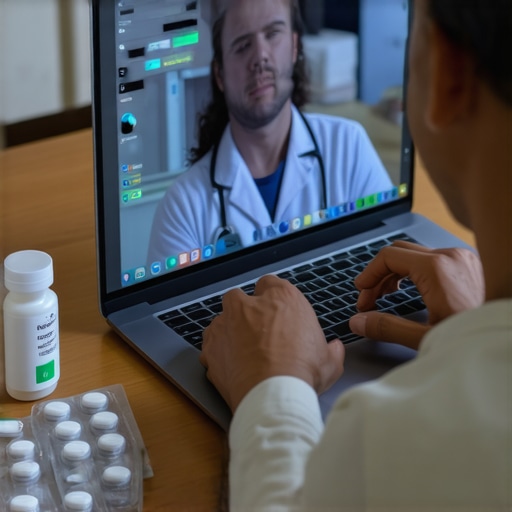
It was a typical Tuesday morning when I realized I’d forgotten to renew my medication. I was already running late for work, and the thought of scheduling an appointment, waiting in a crowded clinic, and navigating the maze of paperwork felt overwhelming. That moment sparked a lightbulb—why was I still clinging to the old model of in-person visits just to refill a prescription? This experience isn’t unique. Many of us face the frustration of managing routine health tasks that seem to drain time and energy unnecessarily.
Breaking Free from the Old-School Prescription Refill Routine
In the past, the usual process was clear-cut: schedule an appointment, sit in a waiting room, talk to your doctor, and then wait for the pharmacy to fill your meds. But with the rise of virtual care, that landscape is transforming fast. Think about how much easier it could be if you could handle these simple healthcare needs from the comfort of your couch, on your schedule.
What if I told you that switching to virtual care for routine prescriptions isn’t just more convenient—it’s also safer, more private, and often quicker? I was a skeptic at first, worried about whether this approach was reliable or if I’d be sacrificing quality. Trust me, I made my fair share of mistakes early on—like trying to rush through a video consultation without preparing my medication list, only to realize I’d missed important details that could delay my refill. But once I understood how to navigate this new terrain, everything changed.
Today, we’re going to explore how virtual care can streamline your prescription refills, saving you time and hassle while maintaining your health. If you’ve ever faced the frustration of dealing with busy clinics or closed pharmacies outside office hours, you’re not alone. And the good news is, there’s a better way.
Before we dive into the practical steps, consider the latest studies—research shows that telehealth has become a primary method for delivering accessible, efficient healthcare and is projected to continue growing. To see how virtual care is shaping the future of health management, check out [this comprehensive insight](https://vitalclinicmd.com/telehealth-insights-the-future-of-accessible-healthcare-services). Now, let’s look at how you can start making this smart switch today.
Set Up Your Digital Profile and Choose Your Provider
Start by creating a secure online account with a reputable virtual care platform, like the one discussed in this resource. Enter your basic health information, medical history, and current medications. Think of this step as building a digital health passport that will streamline all future interactions, ensuring your provider has access to your complete health background for accurate assessments.
Prepare Your Health Data and Medications
Before your appointment, compile a list of your current medications, dosages, and any recent health concerns. Use an app or a simple spreadsheet to track recent symptoms, over-the-counter meds, supplements, and allergies. Imagine this as creating a detailed map—without it, navigating your health journey can become a confusing maze. This preparation saves valuable consultation time and prevents misunderstandings.
Schedule Your Virtual Visit and Communicate Clearly
Book an appointment through your chosen platform at a convenient time. During the call, clearly articulate your concerns and ask specific questions about medication updates, lab tests, or vaccinations. Remember, virtual care is like a video call with a knowledgeable friend—it’s your chance to get personalized guidance without stepping outside. Be honest and detailed to ensure the provider offers tailored advice.
Request Lab Tests and Vaccinations As Needed
Many telehealth platforms can order lab tests directly or prescribe medications remotely. If you suspect deficiencies or unresolved health issues, ask your provider for specific lab tests like vitamin D levels or inflammation markers that are crucial for comprehensive wellness. Think of lab tests as the detective tools that uncover hidden health threats, much like finding a hidden leak before it causes damage. For vaccinations, inquire about scheduling or even requesting new immunizations through the platform, just as described in this article.
Track and Access Your Results Digitally
Once lab results are available, review them through your platform’s secure portal. Focus on key markers that reveal underlying issues, such as inflammation or nutritional deficiencies. Utilizing digital records simplifies tracking your health progress over time, similar to having your health diary accessible anytime. This ongoing insight allows you to make informed decisions, often without additional in-person visits.
Follow Up and Adjust Your Care Plan
Based on results, your provider may recommend lifestyle adjustments, new medications, or additional tests. Schedule follow-up appointments or request prescription renewals effortlessly through the platform. Think of this process as maintaining a personal health dashboard—continuous updates keep your wellness strategy on track and responsive to your body’s needs. Regular digital check-ins can replace frequent clinic visits, making your health management efficient and hassle-free.
Maintain Privacy and Security
Always verify that the platform complies with data protection standards, such as those outlined in privacy policies. Your sensitive health data is precious, akin to a valuable secret—handle it with care, ensuring your virtual provider maintains strict confidentiality. This trust forms the foundation for effective, ongoing telehealth relationships.
Beyond the Surface: The Hidden Complexities of Wellness Beliefs
Many people operate under assumptions about wellness, telehealth, vaccinations, and lab testing that are outdated or oversimplified. For instance, the widespread belief that all lab tests are foolproof indicators of health misses the nuance that many biomarkers can be influenced by transient factors like stress, diet, or even time of day. Relying solely on these numbers without understanding their context can lead to misinterpretation and unnecessary anxiety. To navigate this landscape effectively, it’s essential to recognize that no single test or vaccination schedule guarantees perfect health — instead, a holistic view, tailored to individual needs, is key. Checking out how lab tests contribute to preventive wellness can deepen your understanding of their true role.
Are You Overestimating the Power of Telehealth and Misunderstanding Its Limits?
One common misconception is that telehealth can replace every aspect of in-person care. While virtual visits provide incredible convenience, they aren’t a panacea. For nuanced conditions requiring physical assessments or complex diagnostics, in-person evaluations are irreplaceable. The trap many fall into is using telehealth as a catch-all, which can delay accurate diagnosis or overlook subtle signs only a trained eye might catch during a physical exam. Experts such as those referenced in this analysis on telehealth benefits emphasize the importance of understanding its role as a complement—not a total substitute—for traditional care.
The Subtle Trap of Vaccination Timing and Personalized Schedules
There’s also a misconception that sticking rigidly to standard vaccination timelines is always best. In reality, personalized vaccination strategies, tailored to your medical history, lifestyle, or travel plans, often provide more comprehensive protection. Skipping or delaying certain doses without medical guidance can leave gaps in immunity, especially if you rely solely on generic schedules. For example, requesting supplements or lab tests like CRP tests can reveal underlying inflammation levels that inform your vaccination needs. Recognize that a nuanced, individualized approach often yields better long-term health resilience.
Have you ever fallen into this trap? Let me know in the comments.
Maintaining a consistent wellness routine, especially as you integrate telehealth, lab tests, and vaccinations, requires reliable tools and a proactive mindset. Personally, I rely heavily on a few specific gadgets and digital platforms to keep my health management seamless and effective.
Invest in a Quality Digital Health Tracker
My go-to device is the Fitbit Charge series, primarily because it not only tracks physical activity and sleep patterns but also syncs effortlessly with my health apps, providing a comprehensive overview of my lifestyle. This continuous data collection helps me identify patterns over weeks or months, allowing for timely adjustments or consultations. Using a device that offers integration with platforms like Apple Health or Google Fit ensures I don’t miss out on critical health insights from various sources.
Leverage Telehealth Platforms for Continuous Monitoring
Platforms like VitalClinicMD have become indispensable, especially for managing routine lab tests and prescriptions. I schedule regular virtual check-ins to review my lab results and discuss any anomalies, reducing the need for frequent in-person visits. This approach aligns with current trends in accessible healthcare, which predict an increase in remote diagnostics and personalized care strategies here. The key is choosing a platform with a user-friendly interface and strong data security, verified by standards outlined in their privacy policy.
Implement Automated Reminders and Data Logging
Utilizing apps like MyFitnessPal or Apple Reminders to log medication intake, vaccination dates, and upcoming lab appointments keeps everything top of mind. For example, I set recurring reminders for vaccine boosters or lab tests based on personalized schedules I’ve curated with my healthcare provider. This proactive tracking helps me stay ahead and minimizes chances of missing critical health events, such as renewal dates or follow-up tests.
Anticipate Future Trends for Wellness Maintenance
The evolution of wearable tech and digital health tools indicates a future where real-time biomarker monitoring may become commonplace. Devices capable of measuring blood glucose or hydration levels on the fly could revolutionize how we manage chronic conditions or preventive health strategies. Virtual care providers are also increasingly offering integrated testing kits, allowing users to self-administer certain lab tests at home—further reducing barriers to ongoing health maintenance here.
How do I stay consistent over the long term?
The secret lies in combining these tools with a mindset of personalization and adaptability. Regularly reviewing your health data, updating your schedules, and staying informed about the latest technological advances ensures your routine remains effective and relevant. For instance, experimenting with new wellness apps or wearable features can uncover insights that boost your motivation. Remember, the goal is not perfection but progress—embracing technology as an assist rather than a burden makes all the difference.
One tip I highly recommend is calibrating your digital health trackers every few months to maintain accuracy, especially if you notice discrepancies in your activity or sleep data. This small step ensures that your decisions are based on reliable information and aligns with best practices in health monitoring here. Try integrating a tracker into your routine and see how it transforms your approach to wellness. Combining technology, proactive planning, and ongoing education is the key to sustainable health management!
What I Wish I Knew About Wellness Before Diving Into Telehealth
One of the hardest lessons I learned was that not every health concern warrants an immediate in-person visit. Embracing virtual care requires trusting the process and understanding its scope—I’ve realized that some issues, like routine medication refills or lab result reviews, can be managed effectively online, saving valuable time and energy.
Another insight was the importance of preparation. Being organized with my medication list, symptom tracking, and health data turned frustrating attempts into smooth, proactive conversations with my provider. It’s like having a health assistant in your pocket—daily tracking apps and wearable data can empower you more than you think.
Finally, the biggest shift came when I recognized the value of personalized healthcare strategies. Tailoring vaccination schedules or lab tests to my lifestyle meant better immunity, fewer unnecessary procedures, and a sense of ownership over my wellness journey. This approach underscores that embracing technology doesn’t mean losing the human touch; it’s about enhancing it intelligently.