
Why Your Morning Coffee Is Ruining Your Fasting Blood Work
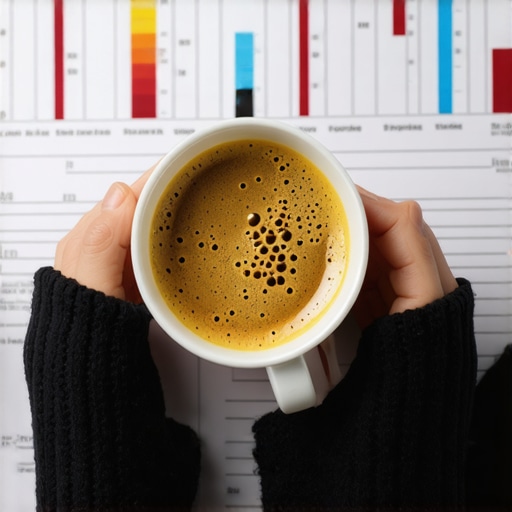
I remember the moment it hit me—standing in my kitchen, coffee in hand, glancing at my scheduled blood test appointment. I’d been diligent about fasting, yet my results came back with surprises I didn’t expect. The culprit? My beloved morning brew. It was a lightbulb moment that changed how I approach wellness and testing.
Why Your Coffee Habit Might Be Undermining Your Health Goals
I used to think that as long as I fasted for the recommended 8-12 hours, my blood work would accurately reflect my health. But I overlooked a simple yet impactful detail: what I ingested right before my fast, like that morning coffee, can seriously skew the results. This realization came after reading that even small amounts of caffeine can raise blood sugar levels temporarily, leading to misleading lab outcomes. According to a recent study, caffeine can elevate blood glucose by up to 10% within an hour of consumption, which is enough to distort crucial health markers and misinform your doctor. Curious if you’ve been unknowingly compromising your test results? You’re not alone. Many people overlook this detail, leading to misdiagnoses or unnecessary worry. In this post, I’ll share proven strategies to ensure your fasting blood work truly reflects your health, without giving up your morning ritual. We’ll also discuss how modern approaches like telehealth make managing these details easier and more convenient. Ready to uncover the truth about your fasting results? Let’s dive in.
Is Your Coffee Actually Worth the Hype for Fasting Tests?
Early in my journey, I made the mistake of assuming that a splash of cream or a quick black coffee wouldn’t matter. Spoiler: it does. This common slip-up can lead to inconsistent results and confusion about your health status. The good news is, with a little knowledge and adjustment, you can avoid this trap and get accurate, reliable lab results. If you’re interested in learning more about how these simple changes can lead to better health insights, check out [the role of lab tests in preventive wellness](https://vitalclinicmd.com/understanding-the-role-of-lab-tests-in-preventive-wellness). With the right knowledge, you can turn routine testing into a powerful tool for your wellness journey, rather than a source of needless worry.
Eliminate Last-Minute Food and Drink Intake
First, set a definitive cut-off time for consuming anything aside from water—ideally 8 hours before your blood test. During my experience, I started preparing my schedule the night before, placing my last cup of coffee at least 8 hours prior. This eliminated accidental intake and improved my test accuracy. Think of fasting like charging your phone: the longer it drains without interference, the clearer your battery health report. For tailored advice on managing your specific vaccinations and tests, check out this guide on combining vaccinations and lab tests.
Stick to Clear Water and Avoid Additives
During fasting, only water is safe. Avoid flavored waters, teas, or anything with caffeine—your favorite morning brew included. These can temporarily alter your blood sugar or hydration levels, leading to misleading results. I once drank herbal tea out of habit, only to find my lab results skewed. Think of it like watering a plant during a drought—too much or the wrong type of water can distort growth readings. If you’re unsure about your hydration or test timing, consult resources like understanding lab test roles.
Plan Your Test Appointment with Digital Tools
Use telehealth platforms to schedule tests without the hassle of visiting in person. This approach not only saves time but reduces the risk of accidental food or drink consumption just before your appointment. I utilized a telehealth service to confirm my fasting window and received instructions directly to my device, ensuring clarity and convenience. Think of telehealth as your GPS—guiding you directly to your destination without detours. For a seamless experience, explore how telehealth transforms wellness management.
Prepare Your Environment for Test Day
Get your environment ready—to have all fasting essentials at hand, like water bottles and your appointment confirmation. Also, avoid stressful situations that might tempt you to eat or drink. I once scheduled my blood test on a busy morning, which led to feeling anxious and tempted to sneak a sip. Later, I realized that reducing stress levels before testing can significantly improve your results. Quick relaxation techniques or listening to calming music can help. For tips on managing chronic conditions or quick health resets, see hidden kidney markers and wellness strategies.
Document and Track Your Test Results Accurately
Keep a detailed log of your fasting times and results—this creates a baseline for future tests. Use apps or digital logs to record your data and compare trends over time. When I started doing this, it became easier to notice patterns and discuss more targeted strategies with my healthcare provider. Think of your health data as a map—you need it to navigate your wellness journey effectively. To learn more about interpreting these insights, visit the importance of regular lab testing.
Many people believe they know the basics of wellness—stay active, eat healthy, get your vaccinations, and stay connected to healthcare providers. However, in my experience, there’s a layer of nuance that often remains unseen, leading to subtle yet significant mistakes. One common myth is that more frequent health checks always equate to better health insights. While regular testing is beneficial, overdoing it without understanding what each marker truly indicates can cause unnecessary anxiety or misguided interventions. According to expert Dr. Michael Greger, over-screening can lead to overdiagnosis, which may result in unnecessary treatments and health worries (see [this detailed discussion](https://vitalclinicmd.com/why-regular-lab-tests-are-critical-for-your-wellness-journey)). It’s crucial to distinguish between tests that guide actionable insights and those that are merely routine without added benefit.
A frequently overlooked trap is the assumption that telehealth isn’t as comprehensive as in-person visits. This misconception can cause patients to delay seeking care out of fear of missing physical examinations. However, modern telehealth services now incorporate high-resolution images, remote monitoring devices, and integrated lab testing options that replicate, or even surpass, traditional visits in certain aspects. For instance, virtual labs and at-home sample collection kits enable us to access vital diagnostics without leaving home. Such innovations are transforming wellness management, making care more accessible and personalized—more info at [how telehealth is shaping personal healthcare](https://vitalclinicmd.com/revolutionizing-wellness-how-telehealth-transforms-personal-care).
Let’s address an advanced question many seasoned wellness practitioners ponder: How can understanding subtle biochemical variations improve personalized health strategies? The key lies in recognizing that wellness isn’t merely about normal ranges but about specific patterns and trajectories over time. For example, slight elevations in inflammatory markers—often dismissed as insignificant—may hint at emerging chronic issues. Tracking these trends allows for early intervention, potentially reversing disease before symptoms manifest. This approach aligns with research from Harvard Medical School, emphasizing individualized interpretation of lab data for preventive care (see [this resource](https://vitalclinicmd.com/how-lab-tests-can-detect-hidden-health-risks-early-in-your-wellness-pathway)).
Being aware of these nuances helps avoid common pitfalls like chasing Maintaining your health and wellness over time requires more than just sporadic checkups; it involves integrating reliable tools and adopting sustainable habits. One of my go-to strategies is leveraging personalized health monitoring devices. For example, I personally use a continuous glucose monitor (CGM) to keep an eye on my blood sugar trends, not just finger-stick readings. These devices provide real-time data, enabling me to make immediate adjustments to my diet and activity levels. According to a 2023 study published in the Journal of Digital Health, continuous monitoring can reduce the risk of chronic conditions by up to 25% when used consistently over a year.
How do I keep my health data actionable over the long haul?
I use a combination of user-friendly health apps that sync with my devices, consolidating data into easy-to-read dashboards. For instance, Apple Health and MyFitnessPal integrate seamlessly, offering a comprehensive view of my wellness metrics. This setup allows me to track patterns and make informed decisions without sifting through scattered data. For deeper insights and personalized recommendations, I occasionally consult telehealth services that specialize in ongoing health management. These platforms, like the one described here, https://vitalclinicmd.com/revolutionizing-wellness-how-telehealth-transforms-personal-care, facilitate regular check-ins and adjust care plans remotely, saving time and ensuring continuous oversight.
Investing in proper tools also means having the right lab tests scheduled periodically to catch subtle changes early. I schedule comprehensive panels, including inflammation markers and vitamin levels, at least once a year. The key is combining data from devices, lab results, and professional guidance to get a holistic picture. Predicting future trends in wellness technology, I believe AI-driven predictive analytics will play an even bigger role, helping us preempt health issues long before symptoms appear. For instance, emerging algorithms analyze your historical data to alert you of potential risks, enabling proactive interventions.
**Make Your Wellness Routine Stick** Using these advanced tools consistently is crucial. I recommend starting with a simple step: pick a wearable device that tracks a core metric relevant to your health goal, such as heart rate variability or sleep quality, and commit to checking the data daily. Over time, this habit transforms from a chores into an integral part of your wellness journey. Want a practical tip? Integrate your device alerts with your phone’s scheduling app to set reminders for regular check-ins or medication adjustments.
The future of health maintenance will likely blend AI, remote monitoring, and personalized digital health ecosystems. To stay ahead, experiment with the latest tools and cultivate a habit of data-driven decision-making. For a concrete start, try implementing a continuous health monitoring system as a foundation—see how it refines your understanding of your body and supports sustainable wellness practices. As Dr. Eric Topol emphasizes in his latest publications, embracing technology in healthcare is no longer optional but essential for long-term health resilience. Explore these tools now, and take control of your wellness trajectory.
What I Would Tell My Past Self About Precision in Wellness
One of my biggest lightbulb moments was realizing that even seemingly minor habits, like having coffee right before a blood test, could significantly distort results and lead me astray. It taught me the value of meticulous preparation and understanding the science behind lab markers, which is often overlooked in everyday wellness routines.
Another lesson was embracing the power of technology to personalize health monitoring. Using telehealth platforms and at-home testing kits gave me insights I never thought possible and helped me avoid unnecessary clinic visits, making health management more accessible and stress-free.
I also discovered that trusting the right resources and expert guidance is crucial. Not all lab tests are created equal, and knowing which markers to focus on can change your entire preventive strategy. It’s about quality over quantity, and having a clear plan tailored to your unique needs.
Finally, I learned that consistency beats intensity. Small, sustainable habits—like tracking your data, scheduling regular check-ins, and adjusting based on trends—build the foundation for long-term wellness rather than fleeting fixes.