
The Hormone Marker That Finally Explains Your Slow Metabolism

Ever found yourself standing on the bathroom scale, feeling like no matter what you do, those stubborn pounds just won’t budge? I remember the lightbulb moment when I realized that my slow metabolism wasn’t just about calorie counting or stubborn laziness—it might be something deeper and more insidious. That frustrating feeling of trying everything, only to see minimal results, is all too familiar for many of us.
Cracking the Code of a Lazy Metabolism
For years, I chased diet after diet, gym routines, and wellness tips, thinking I was just missing a secret. Yet, the scale remained stubborn, and my energy levels were unpredictable. It wasn’t until I discovered the significance of a specific hormone marker that everything made sense. This marker doesn’t get as much attention as cholesterol or blood sugar, but it might hold the key to understanding why some of us struggle to lose weight despite doing all the right things.
Looking back, I made a crucial mistake early on—I dismissively ignored the role hormonal imbalances could play in my metabolic health. I believed age or genetics were the main culprits, but I missed the bigger picture. Research shows that certain hormone levels can significantly influence metabolic rate, energy expenditure, and even appetite control. In fact, a study published in the Journal of Clinical Endocrinology & Metabolism found that hormonal imbalances are a common cause of unexplained weight gain, especially in adults over 40.
So, today, I want to share how understanding your unique hormone levels—specifically that key marker—can finally shed light on your slow metabolism. Instead of feeling defeated or blaming yourself, you’ll learn how to harness targeted lab testing and virtual healthcare options to make informed decisions about your health journey. Are you ready to decode what your body is really telling you and unlock a healthier, more energetic version of yourself? If this sounds familiar, keep reading—your breakthrough might be just a test away.
Schedule the Right Lab Tests to Reveal Hidden Hormonal Imbalances
My first step was booking comprehensive lab work tailored to my symptoms. I learned that not all tests are created equal—focusing on specific hormones such as thyroid panels, cortisol, and sex hormones can shed light on metabolic issues. I used the telehealth platform to consult with a specialist without leaving my home, making the process quick and convenient. To illustrate, I ordered tests like the comprehensive thyroid panel and cortisol awakening response, which are crucial for diagnosing underlying causes of sluggish metabolism. Remember, ordering the correct tests is vital in understanding your body’s unique needs; check out this guide for specifics.
Interpret Your Results Accurately to Identify Imbalances
Once I received my lab results, I dedicated time to interpret them properly. Instead of googling wildly, I used reputable resources and discussed findings with my healthcare provider through a telehealth consultation. For example, noticing that my free T3 levels were low prompted us to adjust my diet and supplement plan. It helped to see my results as a roadmap, highlighting deficiencies or excesses that were draining my energy. To stay on top of this, consider requesting detailed reports and understanding what each marker reveals about your metabolism. This process is explained thoroughly at this resource.
Leverage Telehealth to Make Swift, Personalized Adjustments
Using telehealth transformed my approach—no more waiting weeks for appointments. I scheduled follow-ups, adjusted supplements, and received expert advice remotely. This method ensures continuous monitoring without disrupting my routine. For instance, I sent in updated lab results and discussed new symptoms, leading to tailored recommendations like targeted nutrient supplementation. Telehealth is especially effective for ongoing conditions since it streamlines communication and decision-making, as detailed at this article. If you haven’t considered virtual care options, starting with this resource can clarify how to maximize their benefits.
Connect with a Professional to Develop Your Personalized Plan
My experience driving the process was to partner with healthcare providers who utilize telehealth to craft customized strategies. They considered my lab results, lifestyle, and preferences to recommend diet adjustments, hormone therapy, or lifestyle changes. It felt empowering to have a professional guide me, ensuring I avoided unnecessary or ineffective interventions. To find the right team, consult this contact page and ask about remote consultation services. Remember, unearthing the root cause is a critical step before embarking on any significant wellness journey, and expert guidance accelerates your progress.Many people assume that ordering a standard set of lab tests or utilizing telehealth services ensures a comprehensive understanding of their health. However, this isn’t always the case. A widespread myth is that all lab tests are equally informative, but in reality, the selection and interpretation of these tests require nuance. For example, relying solely on basic cholesterol panels can overlook critical markers like hs-CRP or homocysteine, which provide deeper insights into cardiovascular risk. Moreover, many believe that telehealth appointments are too superficial to replace thorough in-person assessments, yet advances in remote diagnostics and at-home testing kits have significantly expanded what can be achieved virtually. In fact, studies have shown that telehealth can be as effective as in-person visits for chronic disease management when integrated with appropriate lab testing and data analysis (Understanding the role of lab tests in preventive wellness).
A common oops is neglecting to interpret lab results within the broader context of individual health, genetics, and lifestyle. Without expert guidance, one might misread normal ranges or overlook subtle indicators of underlying issues. For instance, a slightly low vitamin D may seem insignificant, but in some cases, it signals deeper immune or endocrine imbalances that require targeted intervention. It’s also a mistake to assume that once a lab test is ordered, no further follow-up is needed. Continuous monitoring and adjustment are vital—especially for complex conditions like hormonal imbalances or metabolic syndrome.
From an advanced perspective, many patients overlook the importance of ordering specialized tests tailored to their unique physiology rather than generic assessments. For example, evaluating free T3 alongside TSH offers a fuller picture of thyroid health, particularly for those experiencing unexplained fatigue or weight gain. A study in the Journal of Clinical Endocrinology & Metabolism emphasizes that nuanced hormone testing can guide more precise treatments, reducing trial-and-error approaches (Why high cortisol is making your healthy diet less effective).
Similarly, many assume telehealth can’t handle complex health needs, but with proper integration of at-home lab kits and data sharing, it becomes a powerful tool for sophisticated care. This approach ensures timely adjustments and personalized strategies—crucial for optimizing wellness and preventing chronic issues. As telehealth continues to evolve (the future of accessible healthcare services), understanding its limitations and potentials helps patients leverage it effectively.
Remember, to truly maximize the benefits of lab testing and telehealth, partnering with knowledgeable healthcare professionals is essential. They can interpret results accurately, recommend targeted tests, and craft personalized plans—ultimately preventing overlooked risks and enhancing overall wellness. Always ask yourself: am I approaching my health with a comprehensive, nuanced perspective? If not, it might be time to reconsider your strategy. Have you ever fallen into this trap? Let me know in the comments.
How do I keep my health tools effective over time?
Maintaining a consistent wellness strategy demands reliable equipment, smart software, and adaptive methods. Personally, I swear by using the Oura Ring for sleep tracking because it provides detailed insights into my sleep cycles, heart rate variability, and readiness scores, enabling me to fine-tune my routines down to the minute.
Another indispensable tool is MyFitnessPal for dietary logging. Its barcode scanner and extensive food database help me monitor nutritional intake accurately, ensuring my diet aligns with my metabolic needs identified through targeted lab tests. When integrating new health data, I rely on Lab Result Apps that automatically sync with telehealth platforms to centralize my results, making interpretation faster and more precise.
Looking ahead, I predict a rise in AI-powered health monitors—devices that can predict potential deficiencies or imbalances before symptoms manifest. Such technology will customize wellness plans dynamically, reducing the risk of setbacks and enhancing long-term vitality.
What’s the best way to sustain your health gains?
One key is routine lab testing. Scheduling periodic tests—say, every three to six months—helps catch subtle shifts in hormone levels, vitamin statuses, or metabolic markers that could undermine progress. Using telehealth services like virtual care platforms makes these evaluations seamless, allowing quick adjustments without the hassle of in-person visits.
Implementing digital reminders or habit-tracking apps can foster adherence, but pairing them with expert guidance ensures you interpret data correctly. For instance, if your lab results reveal a slight thyroid imbalance, your provider might recommend specific supplements or lifestyle tweaks—it’s not just about having data, but knowing how to act on it.
Scaling your wellness approach for long-term results
As your health improves, scaling involves integrating new tools like home testing kits for hormones or nutrient deficiencies. These kits offer increased frequency and convenience, allowing you to stay proactive. Future innovations might include wearable biosensors that monitor biomarkers continuously, providing real-time alerts to prevent health crises.
But remember, technology is only part of the equation. Regular check-ins with healthcare professionals who understand these tools ensure your approach remains nuanced and effective. If you’re ready to upgrade your health maintenance, start by trying an advanced test or a new app today—your body will thank you for it.
Interested in a tailored plan? Contact us to discuss how to incorporate these tools into your wellness journey and stay ahead of potential health issues.
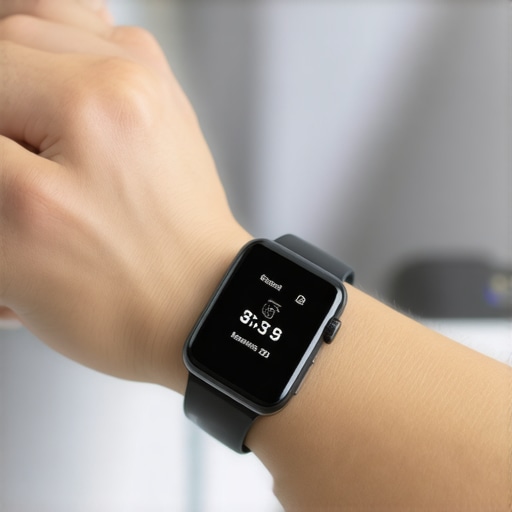
The Lessons Doctors Won’t Always Tell You About Metabolism and Testing
One of the most profound insights I’ve gained is that not all lab results tell the full story. Early on, I believed that normal ranges were all I needed to monitor, but then I realized subtle markers often hold the keys to my health. For example, a slightly lowered free T3 was a wake-up call that my thyroid wasn’t functioning optimally, even if TSH seemed fine. It taught me that paying attention to nuanced hormone levels can prevent long-term issues.
Another lesson was the importance of asking the right questions during telehealth visits. I once consulted a specialist remotely and discovered that my cortisol pattern was uneven. That insight prompted me to adopt specific stress-reduction techniques that drastically improved my energy levels. It showed me how virtual healthcare, when paired with targeted testing, empowers us to take control of hidden health factors.
Finally, I learned to value continuous monitoring over one-off tests. Wellness isn’t static—what’s normal today might be off tomorrow. Scheduling regular labs, guided by professional advice, makes a tangible difference in maintaining metabolic health and preventing surprises. It’s about being proactive, not reactive, and realizing that your body’s signals deserve nuanced interpretation, often beyond the basics.
My Go-To Resources for Smarter Health Decisions
The backbone of my health toolkit is built around trusted platforms and literature. First, I rely heavily on the essential lab tests guide. It helps me choose the right panels to uncover deep-seated imbalances. Second, this resource deepens my understanding of how to interpret results accurately, avoiding missteps. Lastly, I follow the latest advances in telehealth to stay informed about cutting-edge virtual care options, which have been game-changers in my routine. These tools and insights ensure I remain informed and empowered on my wellness journey.