
Why Your Standard Blood Panel Often Misses Inflammation Markers
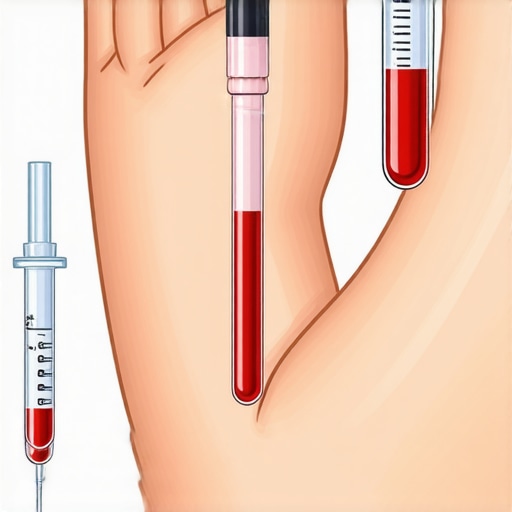
I remember the day clearly—it was a routine check-up, and I was feeling pretty off: lingering fatigue, occasional aches, and a foggy mind. When my doctor handed me my blood test results, everything seemed normal. But deep down, I knew something was amiss. It was that familiar, frustrating feeling that my body was whispering a secret I couldn’t quite hear—not yet at least.
Why Your Regular Blood Tests Might Not Reveal the Whole Story
Many of us rely on standard blood panels to gauge our health. They provide valuable information, sure. But there’s a catch—especially when it comes to detecting inflammation, which is a silent driver of many chronic conditions. Standard tests often focus on markers like cholesterol or blood sugar, yet inflammation can flit under the radar, quietly affecting your health long before any symptoms or abnormal results appear.
Early in my journey, I made a common mistake—I assumed that a normal panel meant I was in the clear. It wasn’t until I learned about specific inflammation markers that I realized how much I might be missing. According to recent studies, inflammation is linked to everything from heart disease to cognitive decline, yet it isn’t always reflected in your routine labs. That’s why I want to share what I’ve discovered and how you can catch those hidden signals before they become serious issues.
Is It Really Worth Digging Deeper Into Blood Tests?
Initially, I wondered if pushing for additional tests was overkill—or just a way to rack up medical bills. Honestly, I understood the skepticism. But skipping them could be risky. Missing inflammation markers means missing the opportunity to address issues early on. It’s a mistake I made early in my health journey, and I don’t want you to do the same. For more on how specific labs can detect hidden risks, check out how lab tests unveil hidden risks.
So, today we’re going to explore how standard blood panels fall short and what targeted tests you should consider. If you’ve ever wondered whether your body’s whispering clues are getting lost in the noise of routine checkups, you’re not alone. Let’s get to the bottom of why this matters—and what steps you can take to see the full picture of your health.
.
Schedule Specialized Blood Panels to Detect Hidden Inflammation
Once you grasp the limitations of routine tests, the next step is booking targeted labs. I vividly recall calling my doctor to request an essential lab tests. It felt a bit daunting, but I emphasized my persistent fatigue and occasional fog. The clinic performed tests like hs-CRP and IL-6, which are sensitive to inflammation. Let me tell you, the results shed light on issues my standard panel never revealed, guiding me toward specific lifestyle changes.
Prepare for the Blood Draw Properly
To get accurate results, fasting is crucial—ideally 8 hours—and avoid intense exercise beforehand. I once took the test after an intense workout and got skewed markers that misled my assessment. Think of it like preparing your car for a road test: the more you tune your body beforehand, the clearer the results. These precise lab measures will highlight inflammation hot spots that could be silently fueling health issues.
Leverage Telehealth for Guidance and Follow-Up
After testing, I used telehealth services to discuss my results without the hassle of office visits. The convenience was a game-changer, especially for follow-up questions or adjusting my health plan. Telehealth bridges the gap between testing and actionable insights. For example, I reviewed my inflammation markers with a specialist online, who recommended dietary tweaks and supplements — steps that significantly reduced my markers over months.
To maximize this approach, consider consulting clinics that offer telehealth for wellness. It’s like having a health coach in your pocket, guiding you through interpreting complex lab data and making evidence-based decisions.
Integrate Lab Findings Into Daily Habits for Lasting Impact
Identifying inflammation is just the start. From there, I adopted specific habits—reducing processed foods, increasing omega-3 intake, and maintaining consistent sleep—that targeted my inflammation sources. Think of this process as tuning a musical instrument: the data points direct precise adjustments to bring your health into harmony. Regular follow-up labs, aligned with a personalized health plan, ensure that you stay on track and catch new issues early.
For a strategic approach, check out combining lab testing with vaccination insights to bolster your overall wellness. This integrative method empowers you to take control, turning abstract symptoms into concrete actions grounded in precise data.
Consistently Reassess and Adjust Your Path
Health isn’t static. I’ve made a habit of repeating targeted tests every 6-12 months, especially if I notice subtle changes in my energy or mood. Think of it like updating a GPS route—regular recalibration ensures you’re heading toward your destination efficiently. These ongoing assessments help you catch inflammation early and adapt your strategies accordingly, maintaining your momentum toward better health.
Remember, the key is to treat blood tests as part of a proactive toolkit—empowering you to stay ahead of potential health issues rather than waiting for symptoms to rain down. By integrating specialized testing, telehealth guidance, and habit modification, you craft a personalized, resilient health blueprint that keeps you feeling your best every day.
,While most people believe that vaccinations, telehealth, and lab tests are foolproof methods for maintaining health, the reality is more complex. Common myths often oversimplify these tools, leading to overlooked risks and missed opportunities for true wellness. For instance, many assume that receiving the standard vaccine schedule guarantees full protection, but recent research shows that individual variability requires a personalized approach—detailed in resources like personalized vaccination schedules. This nuance highlights why blindly trusting protocol without customization can leave gaps in immunity.
How do I keep my health tools effective long-term?
Maintaining the effectiveness of your health tools requires a combination of consistent monitoring, leveraging the right technology, and refining your strategies based on outcomes. Personally, I rely heavily on paired digital health platforms and state-of-the-art testing methods to keep my wellness on track.
One indispensable tool I use is lab testing apps integrated with telehealth services. For example, I utilize services that allow me to order specific tests—like inflammation markers or vitamin levels—and review results online without the need for multiple clinic visits. This seamless process not only saves time but provides ongoing insight into my health dynamics.
Additionally, I employ wearable devices such as continuous heart rate monitors or sleep trackers. I’ve found that these gadgets, when paired with apps that analyze the data, help me adjust my routines proactively. For instance, my sleep tracker flags disruptions, prompting me to tweak my bedtime habits.
Future trends point toward more integrated health ecosystems where AI-driven analysis preemptively identifies risks. Staying ahead will involve combining real-time data analytics with personalized interventions.
What tools are most effective for scaling wellness routines?
When it comes to scaling, automation becomes your best friend. Setting up regular auto-reorder subscriptions for supplements or scheduling periodic labs ensures consistency. My personal favorite is integrating calendar reminders with telehealth check-ins—so health maintenance becomes a natural part of everyday life rather than a checklist.
” alt=”A person using a health app on a tablet with wearable devices” title=”Integrating Wearables and Apps for Better Health” />
This approach empowers you to detect minor shifts early, making adjustments possible before issues escalate. Remember, the key is proactive tracking—think of it as your health’s insurance policy that adapts with your lifestyle.
Where is health technology headed in the next decade?
Expect increasingly sophisticated lab tests that feature rapid at-home sampling and real-time analysis, coupled with AI that personalizes health recommendations almost instantaneously. Already, emerging research in biological age markers suggests we’ll soon be able to quantify wellness in ways that inspire targeted, efficient interventions—redefining long-term health maintenance.
To stay ahead, I recommend trying advanced blood panel ordering strategies, such as requesting specialized inflammation markers. These tools aren’t just for diagnosing; they’re your partners in ongoing health optimization.
Set a reminder to reassess your wellness tools every three to six months and adapt as new technology emerges. Remember, the secret to ‘keeping it working’ is to stay curious and proactive—your future self will thank you.
What I Wish I Knew About the Power of Personalized Testing
- Early in my wellness journey, I underestimated the value of targeted inflammation markers. Discovering my elevated hs-CRP and IL-6 levels was a revelation that routine tests simply couldn’t provide insight into my silent inflammation.
- Trusting conventional panels alone is tempting, but I learned that they often miss subtle signs of ongoing stress within your body. Personalized blood testing revealed vulnerabilities I would have never detected otherwise.
- The most profound lesson was realizing that health is a dynamic process. Regularly reassessing specific markers allowed me to tailor lifestyle adjustments proactively, rather than reacting after symptoms appeared.
Tools That Transformed My Approach to Wellness
- Integrating lab testing apps with telehealth services became my go-to strategy. These tools helped me order precise tests, interpret results effortlessly, and get expert guidance—all from home.
- Using wearable devices like sleep trackers and heart rate monitors provided continuous insights, enabling me to make timely changes and stay aligned with my health goals.
- Educating myself through trusted resources, such as essential lab tests for vaccination planning, empowered me to advocate for the tests I needed, ensuring no diagnostic stone was left unturned.
Stepping Forward with Confidence and Curiosity
Real health maintenance goes beyond standard checkups; it requires curiosity, proactive testing, and leveraging technology to stay ahead. I invite you to embrace these personalized strategies—your body’s whispers can become clear signals with the right tools and mindset. What specific health signs have prompted you to seek targeted testing? Share your experiences below and start your journey toward deeper wellness.