
4 Telehealth Sleep Fixes to End Your Nightly Tossing
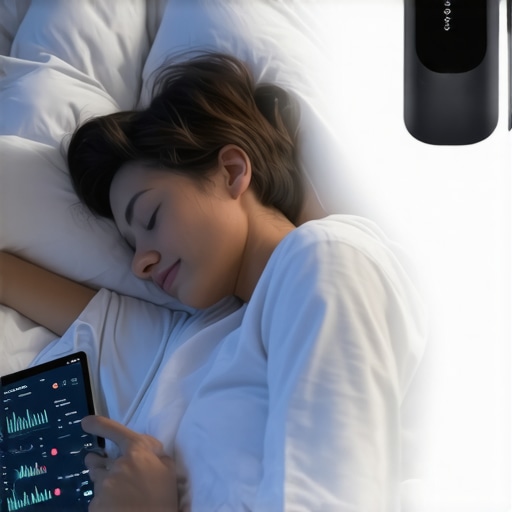
Imagine lying in bed, eyes shut tight, desperately trying to fall asleep, but your mind refuses to shut off. Every night feels like a battle—your body restless, your thoughts racing, and exhaustion mounting with no relief in sight. I’ve been there. The frustration of tossing and turning, staring at the ceiling, wondering if my sleep issues would ever improve. Until I uncovered a few simple, evidence-based telehealth strategies that transformed my nights—and I want to share them with you.
Why Sleep Troubles Are More Common Than Ever
In today’s fast-paced world, chronic sleep disruption has become almost normal. Stress, screen time, poor sleep habits, and even lingering pandemic worries can wreak havoc on your rest. But here’s the thing: good sleep isn’t just about feeling refreshed; it’s a cornerstone of overall health. Poor sleep has been linked to increased risk of heart disease, diabetes, and impaired immune function. As per recent studies, sleep disturbances can even signal underlying health issues that go unnoticed until it’s too late. That’s why tackling your tossing and turning isn’t just about comfort—it’s about safeguarding your future wellbeing.
Have You Faced This Frustration?
If you’ve ever thought, “Why can’t I sleep peacefully anymore?” or spent nights trying to figure out if your sleep problems stem from stress, hormones, or something else, you’re not alone. Trust me, I once made the mistake of ignoring the root causes and just bought another overpriced sleep aid, which did more harm than good. Learning to leverage telehealth solutions allowed me to identify what was really disrupting my sleep and address it effectively. For more on how digital health is revolutionizing personal care, check out this insightful piece.
How Telehealth Can Help You Sleep Better
Thanks to advancements in telehealth, getting expert advice about your sleep issues is easier and more private than ever. No more long waiting rooms or missed appointments. Virtual consults allow you to discuss your symptoms with physicians who understand the role of personalized testing and lifestyle tweaks. For instance, comprehensive lab tests can reveal hormone imbalances or nutritional deficiencies that could be sabotaging your sleep. Plus, with telehealth, renewing prescriptions or adjusting medications takes minutes—no hassle, just solutions. If you’ve struggled with sleep and are curious about how digital healthcare can help, explore the future of accessible healthcare services here.
So, are you ready to finally put an end to your nightly tossing? Let’s look at some proven tips backed by science and delivered straight through telehealth channels—because sleep is too precious to leave to guesswork.
Schedule a Telehealth Consultation to Identify Root Causes
My first step was booking a virtual appointment with a healthcare provider specializing in sleep issues. Think of telehealth as your personal health concierge, guiding you through options without the hassle of a clinic visit. During the session, I discussed my sleep patterns, stress levels, and health history. The doctor recommended specific lab tests to uncover hidden issues like hormone imbalances or nutritional deficiencies that could be sabotaging my rest. To explore how digital healthcare makes this process effortless, see this guide.
Many believe that simply taking vaccines or lab tests guarantees optimal health, but reality is far more nuanced. A common misconception is that more testing or vaccinations automatically lead to better outcomes. In truth, the quality of information and personalized interpretation matter more than sheer quantity. For example, over-reliance on standard blood panels can obscure critical underlying issues; studies show that traditional tests often miss early markers of metabolic stress, making personalized testing essential for accurate wellness assessments. Moreover, some folks assume that telehealth consultations are impersonal or less effective, but with advances in digital healthcare, virtual care offers tailored advice that often surpasses generic in-clinic recommendations. However, an important trap to avoid is assuming all telehealth services are equal—selecting a provider who values privacy and personalized care is crucial, as outlined in this detailed privacy protocol. Advanced users should also question the myth that vaccinations are one-size-fits-all; personalized schedules based on lab results can optimize immunity and reduce unnecessary exposure, as discussed here. When considering lab tests, don’t fall into the trap of only testing what’s routine. Instead, ask for specific markers that reveal hidden risks, like inflammatory or hormonal imbalances, which standard panels often overlook. An insightful resource on this approach is here. The underlying mistake many make is viewing wellness as a static goal achieved by initial tests or vaccinations; actual health is a dynamic process requiring ongoing, data-driven adjustments. Advanced wellness requires continuous learning, personalized testing, and a nuanced understanding of one’s unique biology. Have you ever fallen into this trap? Let me know in the comments.Maintaining your health and wellness over the long term requires more than just occasional check-ins; it demands reliable tools and systems that keep you on track. Personally, I rely on a combination of digital platforms and targeted equipment to ensure my wellness efforts are sustainable and scalable. A key component is using a dedicated health management app like MyHealthPlanner, which helps me track lab results, vaccination schedules, and symptom logs in one secure place. This centralized tracking simplifies identifying trends over time and planning future tests or vaccinations, aligning with emerging trends in digital health data management cited by this resource. Additionally, I incorporate a high-quality home blood pressure monitor such as the Omron Platinum, which provides accurate, easy-to-read results and syncs seamlessly with my health app. Regular monitoring allows me to catch fluctuations early, especially for conditions like hypertension, which often go unnoticed until complications arise. For sleep improvement, I use a Fitbit Sense that tracks sleep stages and offers insights based on your sleep patterns, making adjustments more precise and personalized. These wearable devices not only improve data collection but also motivate consistent habits through daily feedback. Looking ahead, I predict that the integration of AI-driven health analytics with wearable and lab data will become commonplace, leading to hyper-personalized wellness plans. To sustain these tools long-term, it’s essential to schedule periodic check-ins with your healthcare provider via telehealth—making adjustments based on your trend data and emerging scientific insights. My strategy involves quarterly virtual consultations, where I review my accumulated data and refine my wellness strategies accordingly. Have you thought about how to build a durable health maintenance system? Consider starting small—try implementing one of these tools, like a health app or a wearable, and observe the impact on your consistency and awareness. Remember, the key to longevity in wellness isn’t just tracking—it’s about actionable insights and ongoing adjustments that adapt to your body’s evolving needs. For more on how telehealth can support your ongoing health management, explore this article.
The Surprising Loopholes I Used to Overcome Sleep Struggles
One of the biggest lessons was realizing that every personalized health plan has its blind spots. Initially, I believed a single lab test or a quick telehealth appointment could solve all my sleep issues. But I discovered that ongoing tracking and questioning my assumptions about standard practices — like trusting generic test panels or assuming telehealth is impersonal — made all the difference.
Also, I learned that patience is key. Technologies and strategies take time to show results, and perseverance often beats quick fixes. Recognizing that true wellness is an evolving journey helped me stay committed, even when immediate results weren’t visible. Embracing continuous learning—and being ready to adapt—transformed my approach from reactive to proactive.
My Go-To Resources for Staying Ahead in Your Wellness Journey
First, the comprehensive guides on lab testing and preventive wellness broadened my understanding of personalized health data, empowering me to ask better questions. Second, the articles on telehealth innovations reassured me that virtual care isn’t just convenient but often superior for ongoing management. Lastly, tools like online vaccine management systems keep my immunizations up-to-date without unnecessary visits, saving time and stress. These resources keep me both informed and empowered to take charge of my health.
Take the Leap and Personalize Your Wellness Approach
Remember, the most valuable insight you can gain is that wellness isn’t a one-size-fits-all journey. Personalization—through trusted telehealth partners, tailored lab tests, and data-driven adjustments—can unlock a new level of vitality you never thought possible. Start small: schedule a virtual consultation, test a wearable device, or explore a new health app. The key is to keep experimenting, learning, and refining. Your health implications are too significant to leave to guesswork—take control today and see the difference it makes.