
The Truth About Flu Shot Timing: Why Earlier Isn’t Always Better
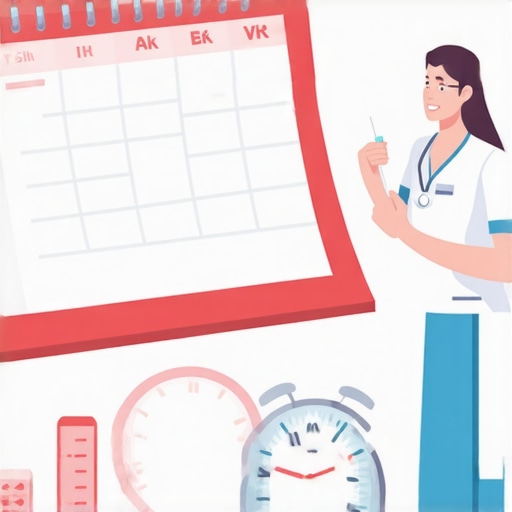
I vividly remember the chilly October morning when I lined up at the pharmacy, eager to get my flu shot. I thought, “Better safe than sorry,” especially with winter looming. But a nagging feeling whispered that maybe I was rushing the season. Turns out, that decision might have been a classic case of jumping the gun—paradoxically making me more vulnerable than if I’d waited. This lightbulb moment led me down a rabbit hole of research about vaccine timing, revealing that earlier isn’t always better, especially for the flu shot. Today, I want to share my journey and help you avoid the same pitfalls.
Why Timing Matters More Than You Think
Many folks, like I did, assume that getting vaccinated as soon as it’s available guarantees maximum protection. But the reality is more nuanced. Vaccines, including the flu shot, are designed to stimulate your immune system to produce protection. However, this immune response can wane over time, sometimes before flu season peaks. According to a study published by the Centers for Disease Control and Prevention (CDC), the effectiveness of the flu vaccine can decrease if you get vaccinated too early—sometimes by as much as 50%—by the time the season is in full swing. That’s why understanding the optimal timing becomes vital to ensure you’re shielded during the highest risk period.
Have you ever wondered whether your early vaccination might have left you exposed later on? I sure did. Like many, I made a common mistake early on: getting my flu shot immediately when it was available, without considering the seasonality and the vaccine’s duration of efficacy. This overlooked detail could have left me vulnerable during the crucial winter months.
Learn more about the timing of flu vaccinations and how to optimize your protection.
Is the Hype About Early Shots Overblown?
Many clinics promote getting your flu shot as soon as they have it, promising peace of mind. But the truth is, rushing to get vaccinated might not provide the best results. I initially thought that early vaccination was foolproof—until I realized I had underestimated how immunity can fade. Missing this detail was a costly mistake that could have left me unprotected during peak flu activity. So, if you’ve faced similar doubts or early-morning rushes for your shot, you’re not alone. Understanding the timing nuance can be the difference between staying healthy and falling ill.
In the upcoming sections, I’ll guide you through how to time your vaccination properly, backed by expert advice and personal insights. Staying proactive about your health means not just acting fast but acting smart. Ready to decode the best time to get vaccinated? Let’s dive in.
Plan Your Vaccination During Peak Immunity
Think of your immune system like a battery that charges and discharges; getting vaccinated at the right moment ensures your protection is at its highest when flu activity peaks. To do this effectively, first, monitor local flu season updates—these are often published by health authorities and can inform your timing. I once scheduled my shot prematurely in September, only to find myself unprotected by January. So, I marked my calendar to get vaccinated approximately 4 to 6 weeks before the expected peak—typically late October to early November—based on regional data. This strategic timing keeps your immunity strong when it’s needed most.
Use Digital Tools to Identify the Ideal Window
Leverage Telehealth and Calendar Alerts
Imagine telehealth platforms as personal health assistants; they can send reminders based on your location’s flu patterns. During my last vaccination cycle, I used my telehealth app to receive a notification when the optimal window was approaching—saving me from guesswork. Such digital tools often incorporate local epidemiology data, making timing personalized and practical. For continuous updates, subscribe to alerts from trusted health sites or consult with your virtual provider through https://vitalclinicmd.com/unlocking-the-power-of-telehealth-for-fast-convenient-wellness-access.
Review Your Medical History and Lab Data
Think of your health records like a GPS for vaccine timing; they reveal past responses and vulnerabilities. Before scheduling my shot, I requested a comprehensive lab panel focused on immune markers—this is like tuning your engine before a long trip. If your immune system shows signs of suboptimal response, you might need to adjust timing or booster doses. Personalized vaccination schedules, available through services like https://vitalclinicmd.com/personalized-vaccination-schedules-for-better-disease-prevention, help optimize your protection window.
Coordinate with Healthcare Providers Virtually
Virtual consultations are like having a health coach in your pocket—ready to advise you on when to vaccinate. During a session, I discussed my lab results and local flu trends, and my provider recommended a specific week for my shot. This coordination ensures you’re not just getting vaccinated early or late but at the moment that offers the most benefit. Platforms like https://vitalclinicmd.com/why-virtual-care-is-the-smartest-move-for-routine-prescription-refills facilitate easy scheduling and real-time advice, making the process seamless and tailored.
Create Reminders and Track Your Schedule
Set digital alerts to remind you 4-6 weeks before the anticipated peak—think of this as setting an alarm for when your immunity is at its prime. I used my smartphone’s calendar to mark my vaccination date and backed it up with an email reminder. Maintaining this schedule ensures you don’t fall into the trap of waiting too long or vaccinating too early. Consistent tracking also helps you manage boosters or subsequent doses, especially if you switch providers or clinics over time.
Integrate Lab Testing and Vaccination for Better Protection
Combine lab tests like cytokine profiles or immune cell counts with your vaccination plan—it’s akin to getting a health check-up before a long journey. Accurate data reveals your current immunity level and guides you on whether you need a booster or special scheduling. I once tested my immune markers, discovered I was approaching decline, and adjusted my vaccination timing accordingly. For a comprehensive approach, explore https://vitalclinicmd.com/maximize-your-health-combining-vaccinations-and-lab-testing-strategies, which explains how integrated testing can fine-tune your health actions.
While many embrace telehealth and modern wellness strategies, few realize the subtle pitfalls that can undermine their health journey. Contrary to popular belief, relying solely on virtual consultations without understanding the nuances can lead to missed diagnoses or suboptimal outcomes. For example, many assume that a single lab test provides a complete health picture, but in reality, the timing and selection of tests are critical—skipping this detail may leave hidden risks undetected. In my experience, the biggest mistake is not integrating personalized testing and vaccination schedules, which can drastically improve preventive care. The misconception that online platforms are impersonal also persists; however, when used correctly—such as coordinating with providers through https://vitalclinicmd.com/why-virtual-care-is-the-smartest-move-for-routine-prescription-refills—they become powerful tools for proactive health management.
How can advanced lab testing and personalized schedules uncover hidden health threats?
Research shows that combining timely lab tests with tailored vaccination plans identifies vulnerabilities often missed by standard checkups (see https://vitalclinicmd.com/maximize-your-health-combining-vaccinations-and-lab-testing-strategies). Many people overlook the importance of choosing the right tests at the right moment, which can be the difference between early detection and costly health crises. Furthermore, the allure of convenience often leads to neglecting the depth of information these tests can provide. Remember, a comprehensive approach—melding digital tools, lab data, and personalized schedules—empowers you to take control of your health. Don’t fall into the trap of thinking that a quick online consultation replaces the need for strategic planning. Instead, leverage these resources to uncover hidden risks and optimize your wellness journey. Have you ever fallen into this trap? Let me know in the comments.
Stick with Reliable Tools to Maintain Your Wellness Journey
Over time, the effectiveness of your health management tools hinges on consistent maintenance and updates. Personally, I rely on the Oura Ring, a wearable device that monitors sleep, activity, and heart rate variability, to gather ongoing data about my body’s recovery patterns. Regularly syncing the device with its app ensures you don’t miss critical insights, and replacing the band as recommended keeps measurements accurate. Tools like this allow me to detect early signs of fatigue or stress, enabling proactive adjustments rather than reactive fixes.
In addition to wearables, digital health platforms such as virtual care services have become integral to my routine. They let me quickly consult with healthcare providers about lab results or vaccination schedules without the hassle of in-office visits. To keep these services running smoothly, I periodically review my account information, update payment details, and familiarize myself with new features or updates released by providers—this helps prevent disruptions when I need urgent advice.
Knowledge Is Power: Staying Informed and Adaptive
Medicine and technology evolve rapidly. I make a point to follow reputable sources like latest research on lab diagnostics to understand how new tests can uncover hidden health risks. For instance, incorporating advanced markers like high-sensitivity C-reactive protein (hs-CRP) measurements into my annual labs has provided clearer insight into my cardiovascular risk—something standard lipid panels might miss. Regularly updating my testing panels based on such findings helps keep my prevention strategies sharp.
How do I maintain my wellness monitoring tools over time?
Beyond just using physical devices or apps, scheduled reviews of your data logs and calibration of equipment ensure ongoing accuracy. For example, I set quarterly reminders to check my wearable’s firmware and replace batteries or sensors as needed. Similarly, I synchronize my health data with a secondary app on a different device to prevent data loss. These habits safeguard the continuity and reliability of your health insights, ensuring you’re always acting on the most current information.
Scale Your Wellness Efforts Thoughtfully
As your health data accumulates, consider investing in personalized strategies. Services like personalized vaccination schedules can adapt your immunization plan based on your immune markers and lifestyle changes. In my experience, collaborating with a provider who reviews your lab trends annually leads to better long-term outcomes and prevents vaccination gaps or unnecessary boosters. Remember, maintenance isn’t a one-time task—it’s an ongoing process of adjustment and refinement.
Predicting the Future of Wellness Tools
Advances in AI and machine learning suggest that in the coming years, personalized health platforms will become more predictive, enabling true anticipatory care. Imagine devices that not only track your vitals but also forecast health events days in advance, prompting preventive interventions. To stay ahead, I recommend trying tools that integrate multiple data sources seamlessly and setting up consistent routines for review and calibration—this proactive mindset prepares you for the future of health management.
Incorporating these practices, such as regularly updating app integrations and calibrating devices, is vital. For example, a study by the National Institutes of Health emphasizes the importance of ongoing calibration to maintain data integrity in wearable health tech. Make it a habit to schedule these maintenance checks—your long-term wellness depends on it.
Ready to elevate your health routine? Start by setting a quarterly review of your primary wellness tools, ensuring everything functions optimally and reflects your current health status. Doing so transforms reactive care into strategic prevention, setting the stage for lasting well-being.
Lessons No One Talks About: The Secrets Behind Effective Wellness Strategies
One of the hardest lessons I learned was how easily we can overlook the power of timing in our health routines. Getting vaccinated too early, thinking it guarantees immunity, can lead to gaps in protection during peak flu months. Additionally, relying solely on digital tools without understanding the data can cause missed opportunities for prevention. The idea that a quick checkup or lab test is enough proved false when I realized continuous monitoring and personalized schedules make all the difference. Lastly, I discovered that true health mastery isn’t about quick fixes but about developing an ongoing relationship with your data, tools, and providers—it’s a journey, not a sprint.
Tools and Resources That Transformed My Approach
My essential toolkit includes advanced lab testing services like those highlighted in combining vaccinations with targeted lab tests, which helped me uncover hidden immunity gaps. Telehealth platforms, such as virtual care services, have made ongoing consultations effortless, ensuring I stay proactive. I also use wearable health devices mentioned in platforms that emphasize routine health management, which provide real-time insights. Lastly, I rely on personalized vaccination scheduling available through customized health plans, ensuring my immunity is optimal when it counts most.
Ignite Your Health Journey Today: Take the First Step with Confidence
Your health is one of your most valuable assets, and mastery begins with informed decisions. Embrace personalized schedules, leverage digital tools, and stay vigilant with your lab tests. Remember, the key is consistency and proactive management—small, intentional actions today set the foundation for a healthier tomorrow. Don’t wait for symptoms or surprises; start refining your regimen now and experience the benefits of true wellness mastery.