
Why You Should Ask for a C-Peptide Test If You Struggle with Weight
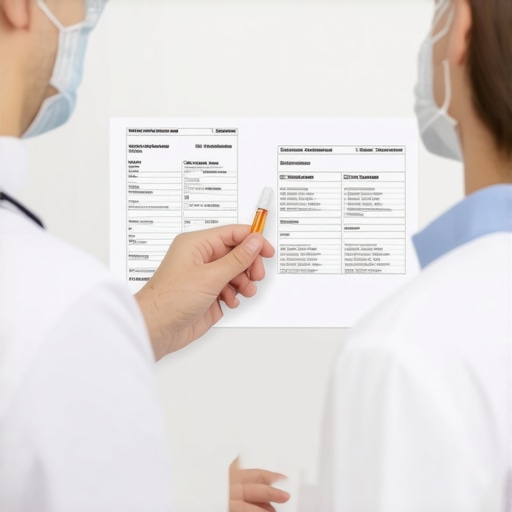
I remember staring at myself in the mirror, feeling frustrated and bewildered. Despite dieting, exercising, and obsessing over every calorie, the scale refused to budge. It wasn’t a lack of effort—it was something deeper, a mystery I didn’t even know existed until I discovered the importance of testing my C-peptide levels. That lightbulb moment changed everything.
Unlocking the Hidden Clues to Weight Management
If you’re like me, you’ve probably tried countless diets and fitness routines, only to be met with stagnation or weight regain. What I didn’t realize then is that our bodies often send subtle signals about our internal health—signals that standard tests can miss. Asking for a C-peptide test, for example, can reveal whether your body is producing enough insulin, a key hormone involved in how we store and burn fat. This test isn’t just about diabetes; it’s a window into your metabolic health, which directly impacts weight struggles. According to recent research, insulin resistance often precedes overt diabetes by years, making early detection crucial for effective intervention. Yet, many overlook the importance of assessing insulin production, focusing instead on glucose levels alone. I made this mistake early on—assuming normal blood sugar meant everything was fine. That assumption could have cost me dearly, as it masked underlying issues that kept my weight plateaus stubbornly in place. So, today, I want to encourage you to think differently. If weight loss feels like an uphill battle despite doing all the right things, it might be time to ask your healthcare provider about a C-peptide test. It’s a simple step that can unlock a new understanding of your unique physiology and guide personalized strategies to finally break through those frustrating plateaus. Are you ready to uncover hidden factors holding you back? Let’s explore how a small blood test can make a big difference in your wellness journey. For more insights on optimizing your health, consider checking out [the essential lab tests you need for accurate vaccination planning](https://vitalclinicmd.com/the-essential-lab-tests-you-need-for-accurate-vaccination-planning) and discover how timely testing supports your broader wellness goals.
Identify Your Unique Symptoms and Concerns
Start by keeping a detailed health journal. Note recurring issues like fatigue, brain fog, or unexplained weight changes. For example, I once documented my mood swings, sleep patterns, and energy dips over two weeks. This helped my provider understand the pattern and prioritize specific tests such as vitamin D, iron, or thyroid panels, instead of generic blood work.
Choose Targeted Lab Tests for Deeper Insights
Request specific tests that uncover hidden causes—like C-peptide to assess insulin production or ferritin to evaluate iron stores. Think of this as peeling back layers of an onion; each test reveals another aspect of your internal health. I opted for a comprehensive hormone panel through an independent lab, which uncovered mild adrenal fatigue I hadn’t suspected. Consider consulting resources like regular lab testing to understand which markers matter most for your situation.
Leverage Telehealth for Convenient, Expert Guidance
Utilize telehealth services to discuss your symptoms and review test results without the need for in-office visits. Imagine it as having a specialist in your living room—saving time and reducing stress. I scheduled a virtual consult to interpret my labs; the provider recommended specific lifestyle tweaks and supplements based on my unique chemistry. This approach is especially beneficial for ongoing management of conditions like cortisol imbalance or nutrient deficiencies.
Utilize Digital Tools to Track Progress
Use health apps or digital journals to compare lab results over time. This ongoing monitoring helps you see trends e.g., rising vitamin D levels after supplementation or improvements in blood sugar control. My experience with repeated vitamin panel tests showed significant improvements within a few months, motivating me to stick with my plan. Consistent tracking is like maintaining a personal health dashboard—always knowing where you stand.
Integrate Testing and Vaccination Schedules for Maximized Immunity
Coordinate your lab assessments with vaccination timelines to optimize immune health. For example, scheduling immunity tests before a travel vaccination ensures you’re protected without unnecessary revaccination. Use resources like personalized vaccination plans to align your immunizations with your health status. I once delayed a vaccine booster, only to realize my antibody levels were still high, thanks to a simple lab test, avoiding an unnecessary shot.
Build a Routine that Fits Your Lifestyle
Incorporate regular testing into your health routine—quarterly or biannual assessments—using telehealth to review results and adjust strategies promptly. Think of this as routine maintenance for your vehicle; regular check-ups catch issues early. My routine now includes monthly virtual check-ins with my provider and periodic lab tests, keeping my wellness plan responsive and personalized.
Many people believe they fully understand wellness and the role of modern healthcare, but beneath the surface lie nuanced pitfalls that can hinder true health progress. One common myth is that routine physicals and standard blood tests provide a complete picture of your health; in reality, these tests often miss critical early signs of dysfunction. For instance, standard labs may overlook inflammation markers that predate chronic conditions, as highlighted in recent research emphasizing the importance of specific biomarkers for early detection.
Why Oversimplification Can Be Dangerous
Believing that a “normal” result means all is well can be misleading. For example, a person might have perfectly normal fasting glucose levels but still be insulin resistant—a state that significantly increases the risk of type 2 diabetes and heart disease. This is why experts recommend targeted testing—like a C-peptide assessment—to gauge insulin production accurately. Relying solely on general panels can create a false sense of security and delay necessary interventions.
What advanced tests should I consider beyond standard screenings?
Delving into advanced biomarker panels, such as inflammatory markers (hs-CRP, homocysteine), lipid particle sizes, and thyroid antibodies, can reveal hidden issues before symptoms manifest. Studies, including those published in the Journal of Clinical Lipidology, point out that these nuanced tests better predict cardiovascular risk than traditional cholesterol measurements alone. Incorporating these into your health assessments with the guidance of a knowledgeable provider can make a real difference.
The Telehealth Trap and Its Nuances
Many assume telehealth is only suitable for minor issues, but it’s evolving into a sophisticated tool for comprehensive management. However, some users fall into the trap of over-relying on remote consultations without understanding limitations—like the need for certain tests or physical exams. To truly leverage telehealth’s potential, consider integrating remote lab testing or digital symptom tracking, which can provide your provider with vital data. As explained in this resource, telehealth can revolutionize your approach when used correctly—saving time without sacrificing depth of care.Maintaining health progress requires reliable tools and practices that adapt to your evolving needs. Personally, I rely on a combination of advanced digital health devices, specialized software, and strategic routines to keep everything functioning smoothly. For example, I use a continuous glucose monitor (CGM) like the Dexcom G6—not just to track blood sugar in real-time but to observe how different foods and activities impact my metabolic health. This device provides immediate feedback and alerts, enabling me to fine-tune my diet on the fly, especially during periods of stress or travel where blood sugar fluctuations are common.
Complementing wearable tech, I utilize the ChronoLife app, which consolidates data from various devices and offers actionable insights through customizable dashboards. I’ve found this approach invaluable for spotting long-term trends, such as emerging insulin resistance or nutrient deficiencies, before they manifest into more serious issues. These tools essentially act as my personal health therapists, providing clarity and motivation while making complex data accessible.
How do I maintain wellness tools over time?
Routine calibration of devices, regular software updates, and syncing data across platforms ensure accuracy and reliability. I set calendar reminders to check device batteries, update firmware, and review logs weekly. Additionally, subscribing to services like Labcorp or requesting specific tests through telehealth providers allows for ongoing monitoring of markers like vitamin D, ferritin, and inflammatory biomarkers, in line with the advice found on the importance of regular lab testing. This way, my preventive strategy remains dynamic and responsive.
Looking ahead, advances in AI-driven health analytics and at-home testing kits promise even more personalized and accessible wellness support. Imagine being able to order a comprehensive lab panel, receive results within hours, and have a telehealth consultation to interpret findings without leaving your home—it’s a trend that will likely become standard for proactive health management.
For those looking to optimize their health routine today, I recommend integrating a targeted lab test, such as C-peptide, into your regular check-ins. This small step can reveal crucial insights, like your body’s insulin production capacity, enabling tailored interventions. To start, consider scheduling a lab test through trusted telehealth platforms, and don’t forget to review your results with an expert who can help you interpret them effectively. You might also explore the benefits of telehealth for ongoing wellness—it’s an efficient way to stay proactive and informed.
Lessons From My Journey Beyond the Scale
One of the most eye-opening lessons I learned is that our bodies communicate in subtle signals, often drowned out by standard tests or assumptions. For instance, I used to believe that a normal fasting glucose meant all was well—only to discover through C-peptide testing that my insulin production was compromised, a hidden hurdle to my weight management. This taught me the importance of seeking targeted insights rather than settling for surface-level reassurance.
Another revelation was realizing how much innovative tools and personalized data can accelerate progress. Relying solely on traditional checkups delayed my discovery of issues lurking beneath the surface. Incorporating advanced home testing kits and digital health apps transformed my approach, making me proactive instead of reactive. Trust me, embracing this technology can bridge gaps that standard healthcare might leave open.
Lastly, I learned that education and curiosity are your best allies. Teachers like reputable health sites and expert-approved resources opened my eyes to the significance of early detection and targeted intervention. Knowledge empowered me to ask better questions and advocate for my health, especially through telehealth services that connect you with specialists remotely—saving time and offering clarity when you need it most.
Tools That Changed My Approach to Wellness
My essential toolkit includes advanced lab testing platforms that offer comprehensive panels—like those for vitamin D, ferritin, and hormone levels—that I trust because they reveal hidden deficiencies or imbalances. Exploring resources such as the importance of regular lab tests helped me understand which markers matter most. Additionally, wearable devices like continuous glucose monitors provide real-time feedback, giving me actionable insights into how lifestyle choices impact my health day-to-day.
Alongside these, telehealth platforms have revolutionized my ability to consult with specialists without the wait—making it easier to interpret my results and adjust strategies quickly. I highly recommend integrating telehealth with your testing routine to maximize the benefits of personalized care, especially since experts agree that digital access extends the reach of preventive health significantly.
Books focused on metabolic health and hormone balance became my companions in navigating complex information. They provided practical advice tailored to my unique needs, reinforcing that personalized strategies are often the most effective. Whether it’s a guide on managing insulin resistance or optimizing vaccination schedules, these resources help turn data into action.
Choose Your Next Step: It’s About Real Change
It’s never too late to start or refine your wellness journey. Incorporating targeted lab tests like C-peptide and leveraging telehealth services can unlock insights that truly transform your health approach. Think of it as upgrading from a standard map to a GPS—guiding you more accurately through your wellness landscape. Remember, each proactive step builds a stronger foundation for lasting well-being, one that honors your body’s quiet signals and unique biology.
What’s one small change you’re willing to try today to uncover hidden health insights? Share your thoughts below and let’s support each other in this journey toward personalized wellness!
**Note:** For more insights on how targeted testing can elevate your health, visit this resource on essential lab tests and discover strategies that can make a real difference.