
Why Virtual Therapy is the Smartest Move for High-Stress Executives

I remember the exact moment it hit me—sitting at my desk after a long day, feeling overwhelmed and on the brink of burnout, yet still unable to disconnect. Despite having access to the best wellness apps and a handful of in-person therapists, something was missing. The truth is, I had been neglecting a crucial aspect of my mental well-being, mainly because I believed that high performance meant handling stress on my own. It was a lightbulb moment: traditional approaches just weren’t enough for someone in my position.
How Virtual Therapy Became My Game Changer
As a busy executive juggling tight deadlines and constant pressure, I began exploring alternatives that fit seamlessly into my hectic schedule. That’s when I discovered the incredible convenience and effectiveness of virtual therapy. No more endless commutes to appointments, no waiting rooms, and a therapy session whenever I needed it—whether between meetings or late at night. It was a revelation that not only saved time but also made consistent mental health support more accessible.
You might be wondering—can virtual therapy genuinely provide the same relief as in-person sessions? And is it truly appropriate for high-stress roles like ours? Trust me, I was skeptical too initially. But I learned that the key lies in choosing the right platform and providers who understand the unique challenges executives face.
Interestingly, according to a study published in the Journal of Medical Internet Research, the use of telehealth services—including virtual therapy—has surged by over 50% during recent years, underscoring a pivotal shift in healthcare preferences. This isn’t just a trend; it’s a redefinition of how we prioritize mental wellness.
In this post, I want to help you navigate the benefits of virtual therapy and show you how it can be a strategic move in managing your high-stress lifestyle. If you’ve ever felt that your mental health was a low priority amidst your demanding schedule, you’re not alone—and I promise, there are practical solutions.
Let’s explore why integrating virtual therapy into your routine might be the smartest move you make this year. Ready to discover how to make it work for you? Keep reading, because the next section will dive into the common hurdles—and how to overcome them.
Choose the Right Platform Few Virtual Therapy Options Are Created Equal
Start by researching platforms that cater specifically to professionals. Look for providers with experience in high-stress roles, ensuring they understand your unique challenges. My first attempt was chaotic—I booked an appointment, but the platform’s interface was clunky, and I struggled to find a time that fit my schedule. Eventually, I found a service with a seamless app experience, which made scheduling and communication effortless.
Set Clear Goals and Prepare Your Space Define Your Therapy Objectives
Before your session, jot down specific issues you’re facing—be it work anxiety, sleep problems, or burnout signs. Create a dedicated, comfortable space free from distractions, akin to preparing a stage for a performance. During my early sessions, I realized that having a quiet corner to talk without interruptions made a noticeable difference in my openness and focus.
Schedule Consistent Sessions Create a Routine That Reinforces Support
Block regular times in your calendar—just as you do for meetings—to establish consistency. I committed to weekly sessions on Friday mornings, which became a non-negotiable part of my wellness routine. This habit helped me stay accountable and made therapy an integral part of my high-pressure week.
Be Open and Specific During Discussions Transparency Accelerates Progress
Share detailed experiences instead of vague complaints—think of it as giving a mechanic precise symptoms rather than just saying ‘my car’s not right.’ I once hesitated to disclose stress about an upcoming project, but opening up allowed my therapist to suggest specific coping techniques that I could apply immediately.
Utilize Between-Session Exercises Practice Makes Permanent
Engage in homework assignments like journaling or relaxation techniques between sessions. These are the same as physical therapy exercises; their effectiveness hinges on consistent practice. I kept a brief gratitude journal and practiced deep breathing daily, which noticeably reduced my workday stress levels.
Integrate Supportive Tools Leverage Technology for Enhanced Wellness
Use mental health apps or biofeedback tools to supplement therapy. For example, I integrated a sleep tracker to monitor patterns and discussed the data with my therapist, leading to tailored interventions. Combining virtual therapy with digital tools creates a comprehensive support system—akin to having a personal trainer, nutritionist, and coach in your corner.
Seek Feedback and Adjust as Needed Keep Improving Your Approach
Regularly review your progress with your therapist. If certain techniques aren’t resonating, don’t hesitate to ask for adjustments. My initial resistance to mindfulness exercises shifted after I communicated my doubts, leading to more engaging practices that suited my personality better.
While many believe they understand the basics of vaccination schedules, telehealth, wellness routines, and lab testing, there’s a wealth of nuance often overlooked. One common misconception is that standard vaccine recommendations are sufficient for everyone. In reality, personalized vaccination schedules tailored to individual health profiles and travel plans can significantly enhance disease prevention, as discussed in [personalized vaccination strategies](https://vitalclinicmd.com/personalized-vaccination-schedules-for-better-disease-prevention). Believing that all telehealth services are equally effective can lead to subpar care; choosing platforms with professionals experienced in high-stress populations ensures better outcomes, a point emphasized in [telehealth benefits](https://vitalclinicmd.com/exploring-the-benefits-of-telehealth-in-managing-chronic-wellness).
An advanced mistake is assuming that normal lab results mean no health risks. This is a dangerous oversimplification, as studies show that standard blood panels can miss early markers of inflammation or metabolic stress. For example, [specific tests](https://vitalclinicmd.com/why-most-wellness-screenings-miss-this-critical-heart-health-sign) can detect issues long before symptoms appear, providing a critical window for intervention.
Furthermore, some people believe that annual physicals are a comprehensive health check. Yet, without targeted lab tests—like hormone panels or inflammation markers—they often miss underlying issues. Regularly updating your understanding of these tests and integrating them into your wellness plan can prevent long-term health problems. Dive deeper at [lab testing insights](https://vitalclinicmd.com/how-lab-tests-can-detect-hidden-health-risks-early-in-your-wellness-pathway).
Now, a question for the advanced health enthusiast: How do emerging biomarkers redefine our understanding of chronic disease risk? Recent research indicates that novel markers identified through advanced testing can outperform traditional metrics, leading to more personalized and effective interventions. For instance, [these new markers](https://vitalclinicmd.com/the-hidden-ferritin-marker-that-explains-your-constant-hair-loss) are redefining early diagnosis and treatment.
The key takeaway is that superficial knowledge about these areas can leave you vulnerable to missed diagnoses and ineffective protocols. Always seek the latest insights and personalized approaches—your health depends on it. Have you ever fallen into this trap? Let me know in the comments.In the complex world of health management, having the right tools can make all the difference. I personally rely on a combination of advanced lab testing, telehealth platforms, and smart wellness devices to maintain and optimize my physical and mental well-being. These tools not only provide accurate data but also ensure I can act swiftly on my health insights, regardless of my busy schedule.
Precise Lab Testing for True Wellness Insights
Regular lab tests are fundamental to understanding your body’s underlying health signals. I use comprehensive panels from independent labs, which I order directly through trusted telehealth services. For instance, detailed inflammation markers like high-sensitivity CRP can reveal early signs of chronic stress—which standard labs often miss. This is supported by research indicating that such specific tests offer a clearer picture of hidden health issues compared to generic panels. Regular testing helps me catch potential issues before they manifest into symptoms, aligning with the advice found here. To get reliable results without waiting weeks, I leverage services that allow same-day lab work orders and quick digital result reviews, ensuring I stay proactive about my health.
Virtual Care That Grows With Your Needs
Telehealth platforms are now more sophisticated and tailored to the high-performance individual. I choose platforms with experienced professionals in high-stress populations, guaranteeing personalized advice and rapid access when needed. It’s critical to check reviews and ensure the service emphasizes privacy and effective communication, which are key to building a trusting relationship. This approach aligns with emerging insights suggesting telehealth’s growing role in chronic wellness management, especially for those who travel frequently or have hectic schedules. For example, during a recent trip, I was able to consult with a specialist remotely about hormone imbalances, avoiding unnecessary delays and office visits.
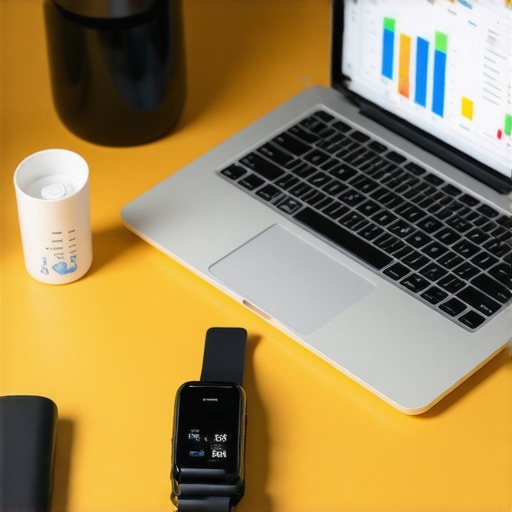
Smart wearable devices are another cornerstone of my routine. I rely on a fitness tracker that monitors heart rate variability, sleep quality, and stress levels. These data points help me adjust my routines—whether it’s timing my workouts or tweaking my sleep schedule—and provide a continuous feedback loop. The ability to review trends over weeks or months empowers me to make evidenced-based adjustments rather than guesswork, which is especially important when managing chronic stress or fatigue.
Future Trends in Wellness Tools
The evolution of wearables and lab testing is headed towards greater integration with AI-driven analytics, providing real-time health alerts and personalized recommendations. This convergence will make proactive health management even more accessible and precise. As these trends unfold, expect to see platforms that seamlessly combine lab results, wearable data, and telehealth consultations into comprehensive health dashboards—making wellness maintenance almost automatic. My advice? Start integrating these tools now—try syncing your lab data with your wearable insights, and see how small adjustments can yield significant improvements.
How do I keep my wellness tools functioning properly over time?
Consistency is key. Regularly updating your device firmware, scheduling periodic reviews of your lab data with professionals, and refining your routines based on these insights ensure your system remains reliable. For example, I set biannual check-ins with my healthcare provider to interpret my lab trends and recalibrate my wellness strategies accordingly. Additionally, staying informed about new testing methods and digital health innovations—like those discussed in this resource—can help you identify emerging tools to add to your routine. Implementing a disciplined approach to tool maintenance will maximize your long-term health outcomes. Ready to optimize your setup? Start by scheduling your next comprehensive lab test and integrating your wearable data into a centralized app for smarter health decisions.
Among all the lessons learned through my journey into advanced health management, one stands out: the importance of tailored, proactive strategies over generic advice. I realized that relying solely on standard protocols, whether for vaccinations or lab testing, often leaves gaps in our understanding. It became clear that personalized scheduling and a nuanced approach to wellness tools can truly make a difference in high-stress lives—a lesson I wish I had embraced sooner. Another insight was the power of technology not just as a convenience but as a critical component of early detection and ongoing management. Using advanced lab markers and integrating wearable data offers a level of insight that surpasses casual observation, transforming health from reactive to proactive. Lastly, I learned that genuine health improvements come from consistency and curiosity—constantly exploring new tools, asking questions, and adjusting based on real data rather than assumptions.