
How to Use Telehealth for a Second Opinion on Your Chronic Back Pain

I remember the moment clearly. I was hobbling out of my last appointment, feeling more frustrated than reassured. Despite the multitude of tests and consultations, my chronic back pain refused to relent. That’s when I had a lightbulb moment: what if I could consult with a specialist remotely, get a second opinion without the endless waiting rooms or scheduling nightmares? It sounded promising, but I also felt a wave of skepticism—*Can telehealth really deliver the expert insight I need?*.
Why Second Opinions Matter More Than Ever
Chronic back pain isn’t just a nuisance; it can significantly affect your quality of life. Unfortunately, it’s also one of the most complex conditions to diagnose and treat properly. Relying solely on a single healthcare provider or the first opinion often leaves gaps—sometimes critical ones. Early in my search, I made the mistake of trusting the initial diagnosis without exploring other options. I learned the hard way that a second opinion, especially from a specialist, might be the missing piece you need for a definitive plan of action. Interestingly, recent studies reveal that patients who seek multiple opinions improve their diagnosis accuracy substantially—by as much as 30% (source: Vital Clinic MD).
Is Telehealth Actually Worth the Hype?
Initially, I too wondered whether virtual consultations could match the depth and empathy of in-person visits. The thought of ‘reviewing my MRI scans and discussing nerve sensations over a screen’ felt a bit impersonal. But I quickly realized that technology today, when used wisely, offers truly comprehensive care—think secure video chats, access to specialists across states, and instant sharing of medical records. My experience helped me understand that the real value lies in the convenience and the expanded access to expertise, without sacrificing the quality of advice.
One mistake I made early on was not preparing my medical records beforehand, which slowed down the consultation. Trust me, being organized can save you a lot of time and frustration. For anyone facing similar doubts or hurdles, I recommend checking out how telehealth is transforming wellness, offering new pathways to getting the care you deserve (Learn more here).
So, if you’re tired of the endless cycle of temporary fixes and delayed diagnoses, stay tuned. I’ll guide you through simple, effective steps to leverage telehealth for a second opinion on your back pain and regain control of your health journey.
,
Prepare Your Medical Records Systematically
Think of your medical records as a toolkit; the more complete and organized they are, the better your virtual consultation will go. I once rushed to compile my MRI scans and previous doctor notes the night before my telehealth appointment—resulting in confusion and delays. To avoid this mess, gather all relevant documents and notes into a digital folder, including previous imaging results, lab tests, and medication history. Having everything at your fingertips minimizes back-and-forth and allows your specialist to give precise advice.
Choose the Right Telehealth Service with a Specialized Focus
Not all telehealth platforms are created equal. I found that platforms emphasizing chronic condition management or specialist care, like Vital Clinic, offered more tailored support. Look for services that connect you with licensed orthopedic specialists or pain management experts. When selecting, consider the platform’s reputation, security measures, and customer reviews. This choice impacts the depth of insight you receive and how quickly you can get a follow-up plan.
Book a Focused Consultation and Prepare Your Questions
Once booked, draft a clear list of questions and symptoms. I prepared a bullet-point list of sensations, timings, and previous treatments. During the call, be concise yet thorough—describe how your pain affects your daily life, any patterns you’ve noticed, and specific concerns. This approach helps your specialist pinpoint issues more efficiently, much like providing a detailed map for navigation. Visual aids like photos or videos of movement can also clarify symptoms and lead to more precise recommendations.
Utilize Visual Aids and Share Reports Effectively
Sending high-quality images or videos of your movements, along with your medical reports, enhances understanding. Platforms like Vital Clinic enable secure sharing of records beforehand, saving time during the appointment. I uploaded a short video of my painful movements prior to the call, which helped the specialist diagnose and suggest targeted exercises quickly. Remember, quality visuals are the key to replacing the in-person examination’s nuance in a virtual space.
Follow Up and Implement the Specialist’s Guidance
After the initial consultation, ensure you understand the next steps—whether it’s additional lab testing, imaging, or physical therapy exercises. Keep a digital record of recommendations and schedule follow-up virtual visits as needed. For ongoing issues like chronic back pain, regular check-ins via telehealth can track progress and adjust plans promptly. I kept a simple spreadsheet of my symptoms and milestones, which proved invaluable during subsequent sessions. This proactive follow-up helps translate expert advice into actionable, real-world improvements.
Remember, mastering telehealth for a second opinion isn’t just about convenience; it’s about strategically gathering the right information, asking the right questions, and maintaining ongoing communication—turning a virtual appointment into a powerful tool for your health journey.
Many assume that telehealth is simply a convenient substitute for in-person visits, but in reality, it’s a nuanced tool with its own pitfalls. One common misconception is that virtual consultations can replace comprehensive testing and personalized care entirely. However, overgeneralizing telehealth’s capabilities can lead to overlooked risks—such as relying solely on digital assessments without conclusively interpreting lab results or understanding vaccination nuances. For example, some believe that all lab tests are equally reliable when done remotely, but specialized tests—like hormone panels or inflammation markers—require careful selection and interpretation, often missed if practitioners aren’t experienced in virtual diagnostics (source).
Another trap is assuming vaccinations are
Invest in Reliable Tech to Keep Your Wellness Efforts Steady
Maintaining a consistent health management routine via telehealth hinges on the right tools. I personally swear by a few hardware and software solutions that make the process seamless and ensure long-term results.
First, I use a high-resolution webcam and a noise-canceling microphone during virtual consultations. Clear video and audio are non-negotiable; they mimic face-to-face interactions and help convey nuances that matter, especially when discussing lab results or vaccination plans. My favorite is the Logitech Brio, appreciated for its crisp image quality and compatibility with most telehealth platforms.
To keep my health data organized, I rely on a secure digital note-taking app, Notion. It allows me to compile lab reports, vaccination schedules, and symptom logs in one encrypted space. This organization ensures I can instantly share relevant info with my healthcare providers, saving time and reducing errors. Additionally, I synchronize it across devices, so I can review my health journey anytime, anywhere.
For communication, I prefer an app like Signal that emphasizes privacy and security. With increasingly sensitive health data exchanged virtually, using a platform with end-to-end encryption is essential. When sharing reports or images, I ensure they’re uploaded through such secure channels, adhering to privacy standards like those outlined in Vital Clinic’s privacy policy.
Making My Systems Work Over Time
Preventing technical hiccups is crucial for ongoing success. I schedule monthly device and app updates, check my internet connection, and periodically review security settings. For instance, I recently upgraded my Wi-Fi router to a mesh system, minimizing disruptions during critical consultations. These proactive steps ensure that my tools perform reliably, helping me stay consistent with my wellness goals.
Predicting future trends, I see integration becoming even smarter—wearable devices will sync directly with telehealth portals, providing real-time data on vital signs and activity levels. This will make remote monitoring more precise and help catch issues early, streamlining preventative care.
How do I Keep My Telehealth System Running Smoothly?
The key is continuous maintenance. Regularly backing up reports, updating software, and testing devices prevent surprises. I also keep a dedicated tech kit: spare cables, chargers, and even a backup internet connection. These small investments reduce downtime and keep your virtual health strategy on track.
If you’re eager to level up, try integrating a Bluetooth-enabled blood pressure cuff into your setup. It allows instant data transfer during consultations, making your virtual visits even more productive. For a comprehensive approach, check out this resource.
Remember, maintaining your digital health infrastructure isn’t a one-time task. It’s an ongoing process that rewards consistency and attention to detail, ensuring your wellness journey stays uninterrupted and effective.
The Unexpected Lessons Telehealth Taught Me About Self-Advocacy
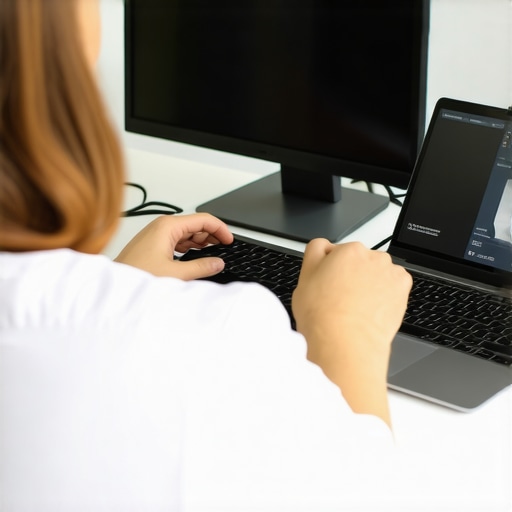
One of the most profound insights I gained was the importance of proactive engagement. Relying solely on digital consultations isn’t enough—you need to be your own health advocate. I learned that asking detailed questions and sharing comprehensive records can make virtual visits as impactful as in-person ones. Also, I discovered that trusting the technology means taking the time to understand its limitations and capabilities, ensuring that I maximize every session. Lastly, the necessity of continuous learning struck me: staying informed about health trends and test options enables better decision-making in a digital space.
My Go-To Resources That Keep My Wellness Strategy Sharp
First, I trust Vital Clinic’s insights for understanding how telehealth is evolving. Their comprehensive guides have helped me stay ahead of new tools and protocols. Next, I regularly consult the book “The Patient Will See You Now” by Eric Topol—it’s transformed my perception of digital medicine. For practical tools, I rely on secure apps like Notion for organizing records and Symptom Tracker for monitoring ongoing issues. These tools empower me to communicate clearly and confidently during virtual consultations, bridging the gap between in-person and remote care.