
3 Daily Habits That Fix a Sluggish Insulin Response Fast

I remember the exact moment I realized my sluggish insulin response was holding me back. After yet another afternoon crash, I found myself reaching for sugary snacks instead of actually tackling my fatigue. It felt like my body was stuck in slow motion, and I was just along for the ride. That realization hit me hard: my daily habits needed an overhaul, fast.
If you’ve ever felt like your energy dips unexpectedly, or your blood sugar seems to spike without warning, you’re not alone. Many of us overlook simple routines that can make a big difference in how our bodies manage insulin. And trust me, it doesn’t require an overhaul of your entire lifestyle—just a few key habits, practiced daily, can flip the switch.
Today, I’m going to share the three habits that transformed my approach to wellness and helped accelerate my body’s insulin response. These aren’t magic tricks, but scientifically backed routines that, once incorporated into your day, can kickstart your metabolism and help you feel more vibrant.
But first, have you ever experienced that frustrating afternoon slump that seems to come out of nowhere? Or perhaps you’ve been concerned about how your body handles sugar and carbs, but didn’t know where to start? If so, you’re in good company—and I’ve been there too.
Why does this matter now? Well, recent insights show that improving insulin response isn’t just about avoiding diabetes—it’s about optimizing your overall energy, mood, and long-term health. In fact, early signs of insulin resistance can often sneak past standard tests, which is why understanding and actively managing your response is so crucial.
One thing I learned early on was a common mistake: relying solely on fasting blood sugar levels can be misleading. Fasting tests often miss the nuanced picture of how your body handles glucose during the day, especially after meals. For a more comprehensive understanding, consider exploring how lab tests can detect hidden risks early in your wellness pathway—click [here](https://vitalclinicmd.com/how-lab-tests-can-detect-hidden-health-risks-early-in-your-wellness-pathway) for more.
In the upcoming sections, I’ll guide you through practical, daily habits that will help you recalibrate your insulin response—habits I wish I’d started sooner. Ready to feel energized again? Let’s dive into these game-changing routines.
Optimize Your Meal Timing and Composition
Starting with your meals is the most straightforward action. Aim to consume balanced, fiber-rich foods that reduce blood sugar spikes. Incorporate plenty of vegetables, lean proteins, and healthy fats, which help slow glucose absorption.
For example, last week I prepared a dinner with grilled chicken, avocado slices, and leafy greens dressed with olive oil. The result? I noticed my post-meal energy stayed steady, avoiding the usual crash. Remember, cutting back on simple carbs like white bread or sugary drinks is key. Instead, focus on whole foods that promote stable insulin levels.
Meal Prep for Better Control
Plan your meals ahead to avoid impulsive choices that lead to sugar spikes. Use a weekly checklist to ensure balanced nutrient intake. Simple batch cooking sessions can save time and keep your diet on track.
Incorporate Movement Into Your Daily Routine
Physical activity improves insulin sensitivity quickly. Even a brisk 10-minute walk after each meal can make a significant difference. I once started this habit after dinner, and within days, I felt less sluggish and more alert.
Think of movement as oiling a rusty machine—without it, your body’s systems grind slowly. Use reminders or set alarms to encourage regular activity. Over time, consistent movement becomes a natural part of your day, enhancing your body’s ability to regulate blood sugar.
Simple Exercises to Start
Jumping jacks, brisk walking, or light cycling are accessible options. You don’t need to join a gym; just find what suits your schedule and stick with it.
Regularly Check Your Blood Markers—But Do It Smarter
Understanding your insulin response requires more than just fasting blood sugar. Consider lab tests that measure fasting insulin and HbA1c for a comprehensive picture. Scheduling these tests periodically helps track progress and catch early warning signs of resistance.
I used to rely solely on my fasting glucose, but after consulting resources like lab tests for hidden risks, I realized my insulin was high despite normal glucose levels. This prompted a more targeted approach.
Leverage Telehealth for Monitoring
Use virtual consultations to discuss your lab results with healthcare professionals. Telehealth allows for quick adjustments to your lifestyle or medications without waiting weeks for an appointment. Exploring services like telehealth in wellness management helps keep you proactive.
Prioritize Rest and Stress Management
Sleep quality affects insulin sensitivity profoundly. Aim for 7-9 hours of restful sleep per night. I found that establishing a bedtime routine—dim lighting, avoiding screens, and relaxing teas—improved my sleep and blood sugar control.
High stress elevates cortisol, which hampers insulin action. Incorporate stress-reduction techniques like meditation or deep breathing exercises into your day. Even a few minutes can reset your hormonal balance, aiding insulin response.
Create a Calm Environment
Design your workspace and home to promote tranquility. Soft lighting, decluttered spaces, and calming sounds foster relaxation, which in turn supports metabolic health.
In the realm of health, many believe they fully understand vaccines, wellness routines, lab testing, and telehealth—yet beneath the surface lies a web of misconceptions and pitfalls. Let’s dig deeper into what most people get wrong, so you can navigate these areas more effectively.
One widespread myth is that vaccinations are a one-size-fits-all solution. While vaccines are crucial, relying solely on generic vaccination schedules ignores the importance of personalized plans. For instance, tailored vaccination strategies consider individual health histories, exposure risks, and even genetic factors, optimizing effectiveness and safety. To delve into this, explore personalized vaccination schedules.
Many assume that wellness is just about hitting daily exercise or counting calories. However, this overlooks the nuanced role of lab testing. Routine panels often miss early markers of imbalance or inflammation. Advanced testing can reveal hidden risks—such as subclinical inflammation or hormonal imbalances—that conventional checks might overlook. Discover more at how lab tests detect hidden risks.
A common trap in modern healthcare is the over-reliance on in-person visits for all issues. Many believe that if symptoms persist, an office visit is the only solution. Yet, telehealth is revolutionizing access, providing timely consultations for chronic issues, mental health, or even routine follow-ups. This approach allows for more frequent monitoring and immediate adjustments, reducing delays in care. Check out benefits of telehealth.
But beware the trap of misinterpreting lab results. Many individuals focus solely on standard metrics like cholesterol or fasting glucose, missing critical markers such as fasting insulin or inflammatory proteins. Without these, early signs of metabolic stress or immune activation remain undetected, delaying intervention. For an in-depth guide, visit understanding lab tests in wellness.
Another misconception is that vaccines and lab tests are separate silos. In reality, combining these strategies offers a powerful preventive approach. Using lab data to tailor vaccination timing and type can enhance protection, especially for immunocompromised or vulnerable populations. Learn how integrated strategies can maximize your health by browsing combining vaccines and lab testing.
Make sure you’re not falling into these traps. The nuances in modern healthcare require a sophisticated understanding to truly optimize your health journey. Have you ever fallen into this trap? Let me know in the comments.
Keep Your Wellness Routine Running Smoothly
When it comes to health management, consistency is key. I’ve found that utilizing reliable tools and established methods ensures my wellness efforts don’t fall by the wayside. A prime example is my use of continuous glucose monitoring (CGM) devices, which provide real-time data on blood sugar fluctuations, helping me make immediate adjustments and avoid those sneaky post-meal spikes.
To manage these devices effectively over time, I schedule regular calibration and check-ins using dedicated apps provided by the manufacturer. This way, I stay ahead of potential inaccuracies and maintain trust in my readings. In addition, I rely on encrypted health apps like Apple Health or MyFitnessPal to track my habits, diet, and activity levels seamlessly across devices, ensuring I have a comprehensive view of my health trends.
Tools I Trust and Why
- Lab Test Kits: At-home testing kits, especially for fasting insulin, allow me to monitor my metabolic health without frequent clinic visits. These are cost-effective and empower me to catch issues early, aligning with [this research](https://vitalclinicmd.com/how-lab-tests-can-detect-hidden-health-risks-early-in-your-wellness-pathway) about early risk detection.
- Telehealth Platforms: Regular virtual check-ins with my healthcare provider offer flexibility and quick feedback. I personally use secure telehealth services that integrate my test results directly, enabling real-time adjustments to my wellness plan.
- Wearable Devices: Fitness trackers and heart rate monitors help me stay active and manage stress, both critical factors in maintaining insulin sensitivity. Choosing devices with long battery life and comprehensive metrics ensures consistent data collection over the long term.
Can These Tools Scale With Your Goals?
Looking ahead, I believe this approach will evolve further, integrating AI-driven insights and personalized health algorithms. As technology advances, tools will become more intuitive, providing actionable recommendations tailored to your unique biology. The future might include smart home integration, where environmental factors like lighting and air quality are optimized automatically to support your wellness goals.
For now, I recommend establishing a routine with the tools that fit your lifestyle. Test their effectiveness, and make adjustments as needed. Remember, investing in your health technology today sets the foundation for sustainable, long-term well-being. To deepen your understanding of proactive health monitoring, consider exploring the role of lab tests in wellness.
How do I maintain these wellness tools over time?
Regular calibration, updating software, and scheduled check-ins with health professionals are vital. For example, I review my lab results every six months and adjust my testing frequency based on risk factors. Cleaning and caring for devices as per manufacturer recommendations also extend their lifespan and ensure accuracy. By making these practices habitual, your health tools remain reliable allies in your wellness journey.
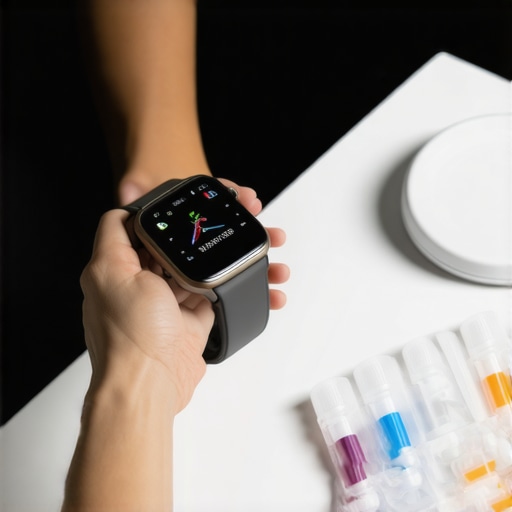
Image Prompt:Close-up of a person using a smartwatch and at-home lab testing kit, symbolizing ongoing health monitoring, with a clean, modern background.
Alt text: Person monitoring health with wearable device and at-home test kit, illustrating long-term wellness tools.
Title: Maintaining Wellness Tools for Long-Term Success.My biggest breakthrough came when I realized that understanding the hidden layers of my health—beyond standard tests—was the key to truly optimizing my wellness. Discovering that early markers like fasting insulin or inflammation markers could predict issues before symptoms appeared transformed my approach. It taught me that proactive, personalized data is the goldmine in health management, empowering me to make smarter choices that suit my unique body. This insight shifted my mindset from reactive to proactive, inspiring me to pursue a deeper level of knowledge and care for lasting well-being.