
How to get your kid ready for shots without the usual meltdown

I remember the first time I had to hold my child down for a shot, feeling helpless as tears welled up in my kid’s eyes and frustration crept into my own. It was a lightbulb moment that I couldn’t ignore—getting my child through immunizations without the usual horror show requires more than just trying to distract them with toys or promises of candy. If you’ve ever been there, you know how stressful it can be for both parent and child, and the pressure to succeed can feel overwhelming.
Breaking the Cycle of Meltdowns: What Really Works
The truth is, there’s a way to make shots less traumatic, and I promise it’s doable with some simple strategies. The secret isn’t in coaxing or bribery alone, but in understanding and managing your child’s emotions beforehand and during the appointment. Over the years, through trial, error, and a lot of reading, I uncovered techniques that transformed those terrifying moments into manageable, even quick, procedures. Today, I want to share what I’ve learned to help you and your little one face shots with confidence and less distress.
Is Your Child’s Fear Just Normal, or Time to Worry?
Many parents think a little fuss is unavoidable, but did you know that early preparation can turn anxiety into calm? One mistake I made early on was assuming that my child’s tears meant I had to delay or reschedule, which only reinforced their fear. Instead, I learned that proper preparation and communication could make a huge difference. If you’re wondering whether your child’s reaction is typical or points to a bigger issue, it’s worth exploring some expert insights. For example, telehealth services allow for virtual consultations where professionals can guide you through calming techniques or even prepare your child beforehand, making the actual shot much smoother. You can find more about the latest in telehealth innovations [here](https://vitalclinicmd.com/telehealth-insights-the-future-of-accessible-healthcare-services).
Facing this challenge? You’re not alone, and there are practical, proven ways to help your child feel safer during vaccinations. Let’s dive into the strategies that can turn these stressful moments into confidence boosts for both of you.
Schedule a Prep Visit Using Telehealth
Start by arranging a virtual consultation with your child’s healthcare provider. Use telehealth to discuss your child’s concerns and learn calming techniques tailored to them, which can be practiced before the appointment. This proactive step eases anxiety and sets the stage for a smoother experience. For more on telehealth’s benefits, see how virtual care is transforming wellness.
Gather Your Child’s Medical Information Ahead
Ensure you have all necessary documents and recent lab results, which can assist the provider in personalized vaccination scheduling (learn about personalized schedules). This preparation prevents delays and allows for tailored health plans. Conducting a wellness check beforehand can highlight areas needing attention (see why wellness checks matter).
Create a Familiar Environment at Home
Help your child become comfortable with the idea of injections by role-playing at home using toys or drawings. Explain the process in simple terms, emphasizing that the shot is a quick and safe way to protect them. Sharing micro-stories about others’ positive experiences can bolster confidence.
Use Distraction Techniques During the Appointment
Bring their favorite toy, listen to music, or watch a video during the shot. Gentle distraction shifts focus away from the procedure. As I tried this with my niece, holding her favorite stuffed animal and playing her favorite song, her tears turned into a smile once she realized it was over quickly. These tactics are simple but powerful in reducing distress.
Practice Deep Breathing and Relaxation
Teach your child deep breathing exercises beforehand. When the moment arrives, guide them through slow inhales and exhales, which can calm their nervous system. Demonstrate by example, and encourage them to mimic your breathing as a fun game. This technique can be especially effective if anxiety spikes during the shot.
Post-Procedure Praise and Comfort
After the shot, offer lots of praise and a small reward. Celebrate their bravery to reinforce positive associations. If they’re upset afterward, provide cuddles and talk to help process the experience. Understanding that their feelings are valid helps build resilience for future visits.
Schedule Follow-ups and Keep Records Updated
Ensure your child’s immunizations are tracked accurately. Use digital tools or telehealth services to verify their vaccination status and plan future appointments. For quick access to vaccine records in emergencies or travel, consider keeping a digital copy or using health apps. Additionally, exploring local labs for antibody testing can determine immunity levels, reducing unnecessary shots (see how lab tests inform immunity).
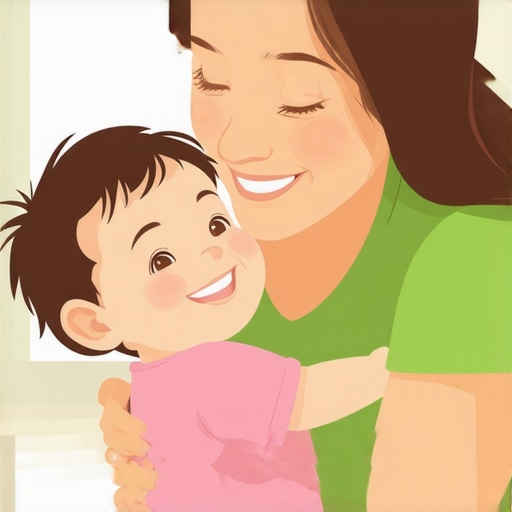
To visualize this process, a friendly illustration of a child calmly receiving a vaccine with a parent comforting them can be very helpful. The image should depict a relaxed environment with a caring adult guiding the child through the procedure.
Many assume that telehealth is just a convenient way to replace in-person visits, but in reality, it offers a nuanced spectrum of capabilities crucial for comprehensive care. A common misconception is that virtual consultations are less thorough, yet recent studies show telehealth can match or even surpass in-clinic evaluations when integrated with proper lab testing and data tracking (source). However, a hidden trap is relying solely on broad panels or routine tests, which often miss critical markers needed for personalized wellness strategies. For example, conventional lab panels might overlook subtle yet significant indicators of inflammation or nutrient deficiencies, leading to incomplete diagnoses (see how targeted lab tests improve accuracy).Maintaining your health and wellness over time requires reliable tools and consistent routines. One of my favorite resources is a high-quality digital health tracker like the Oura Ring, which provides real-time data on sleep, activity, and body temperature—critical metrics that help me adjust my routines proactively. I personally rely on this device because it offers actionable insights without overwhelming me with data, making it easier to stay committed to my wellness goals. Additionally, I use the MyFitnessPal app to log nutrition, enabling me to monitor macro and micronutrient intake, which supports optimal immune function and energy levels. For managing lab tests, I prefer reputable laboratories like LabCorp that offer at-home sample collection kits, simplifying the process of tracking key markers like vitamin D and inflammation levels. Interestingly, recent studies highlight how regular lab testing, when paired with telehealth consultations, can significantly improve health outcomes (learn about understanding lab tests). To streamline scheduling and records, I recommend setting up a secure digital health record system, such as MyChart, which integrates results from multiple providers, keeping your health information accessible and organized. When it comes to vaccinations and long-term immunity tracking, services like ImmuniTrack allow you to store and access your immunization history remotely, reducing the hassle during travel or emergency situations. The future of wellness tools seems geared toward integrating these devices with AI-powered analytics, providing personalized health plans based on real-time data. As predictive analytics evolve, expect to receive proactive notifications about potential health issues before symptoms even appear. To get started, I suggest adopting the habit of weekly data review sessions—use your wearables and apps to review patterns, adjust your habits, and consult your healthcare provider when anomalies are detected. For instance, if your sleep data shows persistent disturbances, a telehealth visit can help uncover underlying issues like nutrient deficiencies or hormone imbalances. Try setting a monthly check-in with your digital health tools to ensure they remain integrated and calibrated. This simple step can enhance your long-term results significantly and empower you to take proactive control of your wellness journey.
Many parents stumble through the process of vaccinating their children, often underestimating how personal and transformative this journey can be. One of the most eye-opening lessons I learned was that implementing small, consistent routines—like a virtual prep visit—can profoundly reduce anxiety for both parent and child. It’s not about perfect execution but about building trust and familiarity beforehand, which can turn a stressful event into an empowering experience for everyone involved.
Another insight came from realizing the power of personalized health data. By leveraging targeted lab tests and real-time health tracking, I discovered that proactive adjustments and informed decisions are far more effective than reactive treatments. This approach not only streamlines vaccination planning but also opens the door to continuous wellness optimization, making every health milestone a step toward long-term vitality.
Lastly, I found that relying solely on standard protocols can blind us to underlying issues. The importance of consulting specialists through telehealth and delving into nuanced lab results can’t be overstated. These tools unveil hidden risks and subtle deficiencies that might otherwise go unnoticed, ultimately empowering us to make smarter, more personalized health choices for ourselves and our loved ones.