
The truth about using telehealth for emergency skin rashes
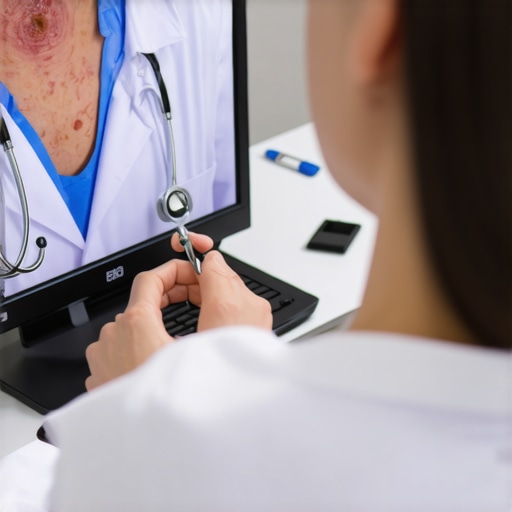
I remember rushing into my bathroom mirror, heart pounding, skin reddening and swelling rapidly, and no immediate way to get help. That moment made me realize how much I underestimated the power—and pitfalls—of telehealth when facing urgent skin emergencies. Many of us think that virtual visits are only suited for routine check-ins or minor concerns, but when it comes to sudden skin issues, it’s a whole different ballgame.
Why Telehealth Can Save Your Skin in a Crisis
From my experience, the biggest challenge with emergency skin reactions is timing. Waiting days or even hours to see a dermatologist in person can turn a manageable rash into a life-threatening situation. That’s where telehealth claims its territory. It offers rapid access to qualified medical advice without the inconvenience and delays of traditional clinics. I found that a quick virtual consultation could efficiently evaluate the severity of a rash, identify triggers, and even prescribe medications immediately—sometimes faster than physical visits.
What’s more, with the right telehealth platform, you can skip the stressful wait in the doctor’s office and get guidance based on high-quality images and detailed descriptions. I’ve learned from personal battles with skin issues that early intervention is crucial. According to a study published in the Journal of Telemedicine and Telecare, telehealth services have been shown to improve outcomes in dermatological emergencies, especially when rapid access is needed for conditions like allergic reactions or infections.
Can Telehealth Actually Replace Urgent Care?
Initially, I believed that a skin emergency was too complex for a virtual visit. My early mistake was dismissing its potential because I associated urgent care exclusively with in-person visits. But I found that many dermatological issues—like allergic rashes, contact dermatitis, or initial signs of infections—can be effectively assessed remotely. That’s why understanding the extent of your emergency and choosing a platform with experienced providers is vital. Don’t assume that all virtual appointments are the same; some platforms specifically cater to skin emergencies and can guide you on whether immediate in-person care is truly necessary.
If you’ve ever faced a sudden skin reaction and wondered whether telehealth could help, you’re not alone. The key is knowing when it’s appropriate and having a trusted service ready to assist. For more insights on how telehealth is revolutionizing personal care, check out this overview.
Now, let’s explore the practical steps you can take to decide when and how to leverage telehealth for skin emergencies—so you’re prepared before the next unexpected flair-up.
Identify the Emergency Clearly
Before jumping into telehealth, assess whether your skin issue warrants immediate attention. For example, I had a sudden, severe rash that was spreading rapidly, and my breathing was affected—clear signs to seek urgent care. Use online resources or consult trusted platforms to understand if your symptoms align with emergencies like anaphylaxis or widespread infections. Remember, not every rash is critical, so be honest about your symptoms to avoid delays in treatment.
Gather High-Quality Visual Evidence
Take clear, well-lit photos of your skin condition from different angles. I once used my smartphone to capture a worsening rash, ensuring the images were sharp and detailed. This visual documentation is crucial for remote evaluation, resembling how a mechanic needs good pictures of a car problem. When submitting these images through the telehealth platform, make sure they clearly show the affected area to enable accurate assessment.
Choose the Right Telehealth Service
Select platforms with specialized dermatology services or urgent care options. I tested a few, and found that services offering quick access to skin specialists provided faster, more precise guidance. Look for platforms that prioritize emergency assessments and have credible providers. Check the privacy policies to ensure your health data remains protected, like reading the fine print on a contract.
Communicate Symptoms Effectively
Describe your skin issue comprehensively: onset time, progression, associated symptoms like swelling or difficulty breathing. Use concise language to avoid misunderstandings. During my virtual consult, I explained that my rash was itchy, spreading, and accompanied by mild swelling, helping the doctor determine severity. Providing context and detailed descriptions accelerates diagnosis and appropriate treatment plans.
Follow Precise Instructions and Prescriptions
Based on the virtual evaluation, the provider may prescribe medications or suggest topical treatments. I received a digital prescription for an antihistamine, which I conveniently filled at my local pharmacy. Certain telehealth platforms allow for prescriptions to be sent directly to nearby pharmacies—streamlining the process. Always clarify dosage and usage instructions, especially for urgent skin issues that can worsen without proper care.
Monitor Symptoms and Seek In-Person Care When Needed
Track your condition’s progress—note changes in rash appearance, swelling, or discomfort. If symptoms worsen or signs of systemic reaction appear, seek in-person care immediately. For instance, I watched for any signs of breathing difficulty; when I noticed slight wheezing, I went straight to the emergency room. Telehealth acts as an effective triage tool, but recognizing its limits is vital to prevent delays in critical cases.
Integrate telehealth into your emergency preparedness kit. Having a trusted virtual care service ready, understanding how to document your symptoms, and knowing when to escalate treatment can make the difference in urgent skin situations. To explore more about managing chronic wellness through virtual care, visit this resource. Combining these steps ensures you’re not just reactive but proactive in handling skin emergencies effectively.
,Many people believe that telehealth services are only suitable for minor health issues, but in reality, they can be vital for managing complex conditions when used correctly. A frequent myth is that virtual consultations lack depth or personalization; however, with advanced digital tools and detailed patient data, experienced practitioners provide comprehensive care remotely. This misconception often leads to underutilization of these services in emergencies or chronic disease management.
Another misconception revolves around vaccinations. Some think vaccines are unnecessary unless you’re travelling or at high risk, but expert studies show that regular immunizations and boosters are crucial for maintaining herd immunity and preventing outbreaks. For instance, the CDC emphasizes tailored vaccination schedules for optimal protection, which can be conveniently planned and adjusted through virtual consultations with healthcare professionals. Misunderstanding these nuances in immunization schedules may leave individuals unprotected against preventable diseases.
Lab testing is frequently misjudged as only necessary during illness, but preventive screening and biomarker assessments via lab tests form the cornerstone of personalized health strategies. Overlooking the importance of regular lab tests can mean missing early indicators of metabolic stress or hidden deficiencies. Advanced analysis of these tests, supported by guidelines from leading health authorities, allows for fine-tuning wellness plans, personalized nutrition, and targeted treatments.
What most people overlook yet needs attention is how each of these modalities—telehealth, vaccinations, and lab tests—interconnect in the broader framework of preventative and personalized medicine. For example, combining vaccination data with lab results enables precise immune responsiveness assessments, helping to optimize booster timing. Without understanding these interrelations, healthcare becomes reactive rather than proactive.
A common trap is believing that these services are standalone solutions; in reality, integrating them provides a holistic approach. This is especially true in managing chronic wellness or autoimmune conditions, where continual monitoring and tailored interventions are key. For an in-depth understanding of how to maximize these tools effectively, explore this resource.
Beware of the misconception that once tests are done or vaccines administered, your health management ends. The true value lies in ongoing interpretation and adjustments—making the difference between just reacting to illness and actively preventing it. As highlighted in recent studies, personalized health tracking using virtual care platforms enhances early detection and intervention, reducing long-term health costs and improving quality of life. Dive into this article to understand how continuous lab monitoring can reshape your wellness journey.
Have you ever fallen into this trap? Let me know in the comments.
Choosing Proven Equipment and Software for Reliable Health Monitoring
Maintaining a consistent health routine requires the right tools. I personally rely on a pulse oximeter like theMasimo MightySat for overnight oxygen levels, which helps me catch early signs of respiratory issues. Its accurate readings, coupled with an easy-to-use interface, make it indispensable for managing sleep apnea and fitness goals. Additionally, I useMedM Health’s smart pillboxes to track medication adherence, crucial for chronic wellness management. Pairing these devices with a robust, HIPAA-compliant telehealth platform like VitalClinic’s telehealth services ensures seamless communication with healthcare providers and data security.
Embracing Digital Tools to Power Long-Term Results
For lab testing, I prefer at-home testing kits such as Everlywell, which enable me to monitor vitamin D, inflammation markers, and hormone levels without frequent clinic visits. The convenience of fast, reliable results directly linked to my digital health records allows for proactive adjustments to my wellness plan. Moreover, I’ve integrated habit-tracking apps like MyFitnessPal with my telehealth platform to analyze lifestyle factors impacting my health.
Scaling Success with Regular Maintenance and Upgrades
As my health progresses, I invest in ongoing device calibration and platform updates. For example, I periodically replace my glucose monitor sensors, ensuring accuracy in blood sugar tracking. Staying current with platform firmware updates, like those from my telehealth provider, guarantees I benefit from the latest security features and analytical tools. Upcoming trends involve AI-driven predictive health analytics, which will enable even more personalized and preemptive care strategies—an area I’m excited to watch. According to industry insights, this evolution will dramatically improve long-term health outcomes.
How do I keep my wellness tools working effectively over time?
The key is routine maintenance: calibrate devices as recommended, update software regularly, and review data logs to detect patterns early. Also, establishing a straightforward check-in routine with your telehealth provider ensures your tools and data remain accurate and pertinent. I schedule quarterly device reviews and sync sessions with my healthcare team, which helps optimize performance and interpret trends effectively. Remember, as your health needs evolve, so should your toolkit. You can start by trying the advanced tip of integrating continuous glucose monitoring with your telehealth platform, a game-changer for managing metabolic health and preventing surprises. Explore lab tests-guided wellness to enhance your long-term health maintenance.
What I Didn’t Expect About Virtual Skin Emergencies
One of the toughest lessons I learned was trusting the technology enough to act quickly. Initially, I hesitated to use telehealth for sudden skin reactions, fearing it wouldn’t be comprehensive. But my experience proved that with high-quality images and clear communication, virtual consultations can be lifesaving, especially when every minute counts. This taught me that preparation and knowing how to present symptoms accurately make all the difference.
Another insight was realizing that not all skin emergencies require an immediate physical visit. Many issues—like allergic reactions or early infections—can be managed effectively through telehealth. Recognizing the signs and when to escalate to in-person care is an invaluable skill I developed, emphasizing the importance of self-education and mindful assessment in urgent situations.
The hardest lesson, however, was understanding the limitations of virtual care. While telehealth is powerful, it’s not a replacement for emergencies involving breathing difficulty or extensive swelling. Accepting when to seek hands-on medical attention has helped me avoid delays and ensured safe, timely care. Empowered with this knowledge, I now approach skin emergencies with confidence—ready to leverage technology smartly and seek in-person help when truly necessary.
This Compilation of Tools and Tricks Changed How I Manage Skin Emergencies
My go-to telehealth platform has become vital in my toolkit—selecting one with specialized dermatology services and quick response times ensures I get expert advice, often within minutes. Devices like high-resolution smartphones and calibrated skin imaging apps help me document symptoms precisely, making virtual evaluations accurate and efficient.
I trust at-home testing kits, like Everlywell, to monitor inflammation and immune markers, which give deeper insights into skin reactions. Combining these tests with telehealth consults creates a comprehensive approach that prevents escalation. Also, habit-tracking apps keep me accountable for skin-friendly routines and medication adherence, enhancing overall management.
Staying current with device updates and platform upgrades is essential. Regular calibration and firmware updates like those from my telehealth provider ensure data accuracy and security. Looking ahead, AI-driven predictive analytics within these platforms promise to personalize skin care further—transitioning from reactive to proactive management, which I find incredibly promising for long-term health.
Remember: Your Skin’s Health is a Reflection of Your Whole Body
Taking control over skin emergencies isn’t just about acting fast—it’s about understanding your body’s signals and responding thoughtfully. Telehealth, when combined with smart tools and a proactive mindset, empowers you to handle unexpected flare-ups confidently. Continue to educate yourself, stay prepared, and trust in the technology that puts expert care at your fingertips. Your skin is a mirror—treat it with care, and make the most of the innovative tools available today.