
Why Your Blood Pressure Readings are Always Higher at the Office

Ever had that unsettling moment during a routine check-up when your blood pressure seems sky-high, only to find it normal the very next time at home? I used to dismiss it as “white coat syndrome”—a fancy way of saying stress from the clinical setting. But as I delved deeper, I discovered a more nuanced truth: our environment, mindset, and even habits at the time of measurement can dramatically influence those numbers. That lightbulb moment changed everything for me.
Cracking the Mystery of Office Blood Pressure Spikes
Many people, including myself initially, think that readings taken at the doctor’s office are the definitive measure of health. But what if I told you that a significant number of these readings are skewed because of factors like anxiety, recent caffeine intake, or even standing too quickly? These non-medical factors can lead to misleadingly high readings, leading to unnecessary worry or even incorrect medication adjustments.
In my own journey, I learned the importance of standardizing the measurement environment—sitting quietly for five minutes beforehand, avoiding caffeine or smoking, and ensuring a relaxed posture. This small change made a huge difference, giving me readings that truly reflected my resting blood pressure. The goal is to get a realistic snapshot of your cardiovascular health, and understanding these influences is key. And if you’re curious about how lab tests fit into overall wellness, I recommend checking out why wellness checks are your first step to better health.
Is Your Anxiety About Blood Pressure Overhyped?
Early on, I made the mistake of assuming I was just nervous because I didn’t like the cuff or the environment. It took me a while to realize that my “nervousness” was partly psychosomatic—a cycle I could break by simply managing my stress before measurements. This mistake is common: we overlook how our mental state influences our health markers. Recognizing this can empower you to take control and get more accurate readings—something I wish I had known before.
So, if you’ve ever walked out of an appointment feeling anxious about your readings only to see normal results at home, you’re not alone. Next, I’ll share actionable steps to ensure that your blood pressure readings truly reflect your health—without the stress and guesswork. Ready to regain confidence in your numbers? Let’s dive into what really causes those office spikes and how you can beat them.
,
Standardize Your Measurement Process
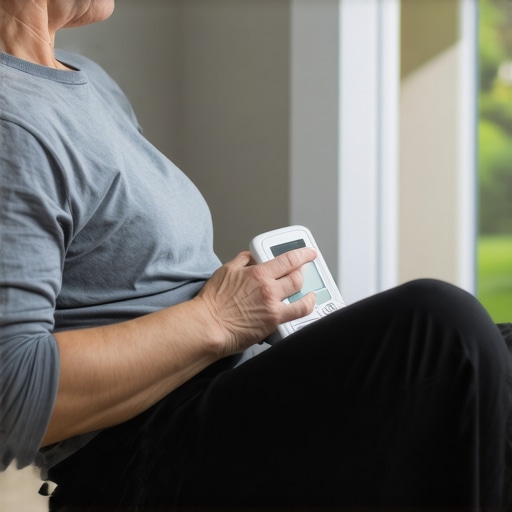
First, find a quiet, comfortable space where you can sit undisturbed for at least five minutes. During my own experience, I set a timer and made sure I was seated with my back supported and feet flat on the floor. Avoid caffeine, smoking, or exercise for at least 30 minutes before measurement. When I started following this routine, my readings became much more consistent, eliminating the false highs caused by anxiety or recent activity.
Use Proper Cuff Technique and Equipment
Ensure the cuff fits snugly around your upper arm, approximately an inch above the elbow. Wrap it evenly without too much tightness. If you have a home digital monitor, test it against a calibrated device at your clinic to verify accuracy. I once bought a new monitor that wasn’t validated, which led me to suspect high readings—only to realize it was a faulty device. Regularly calibrate or replace your device to keep your measurements trustworthy.
Measure at Multiple Times and Record Results
Take two or three readings, each a minute apart, and record the average. Do this twice daily—morning and evening—for several days. This practice provides a reliable pattern rather than a single skewed number. I kept a simple journal and noticed that stress or a rushed measurement could provoke unexpected spikes. Recording these patterns helped me and my doctor differentiate between situational fluctuations and true hypertension.
Manage Your Mental State Before Testing
Stress and anxiety can falsely elevate blood pressure readings, creating a cycle of worry and overdiagnosis. Incorporate relaxation techniques like deep breathing or mindfulness before taking your measurement. During one stressful day, I felt my readings skyrocket—later, I practiced slow breathing for five minutes beforehand, leading to calmer results. Recognizing your psychological influence allows you to approach readings with confidence and clarity.
Compare Your Home and Office Readings
If you notice discrepancies—say, high office readings but normal at home—consider environmental factors. Office settings might induce white coat syndrome, causing anxiety that temporarily spikes your blood pressure. To clarify, you could perform an ambulatory blood pressure monitor over 24 hours, which offers a comprehensive picture. This method is like having a weather station recording the true climate rather than a single snapshot.
Incorporate Lab Tests for a Complete Picture
Regular lab tests complement blood pressure measurements by revealing underlying issues like kidney function or electrolyte imbalance. For detailed insights and personalized wellness plans, check out why wellness checks are your first step to better health. I discovered that analyzing kidney health, for example, helped tailor my blood pressure management more effectively.
Leverage Telehealth for Continuous Monitoring
Virtual consultations allow you to share your readings easily and get expert guidance without the stress of clinic visits. Platforms like Vital Clinic MD provide remote evaluations that fit into your schedule—think of it like having a health coach in your pocket. I used telehealth to discuss fluctuating readings and adjust lifestyle plans swiftly, keeping me proactive and informed.
 Many well-meaning patients assume that telehealth, vaccinations, and lab tests are straightforward pathways to better health. However, beneath the surface lie important nuances, myths, and common mistakes that can compromise effectiveness.
For example, a widespread misconception is that telehealth consultations are inferior to in-person visits. In reality, virtual care can provide comprehensive, personalized assessments—when approached correctly. It’s crucial to understand that not all telehealth platforms are created equal; some lack the integration of advanced diagnostics or personalized testing strategies. To truly leverage telehealth’s potential, focus on clinics that incorporate robust lab testing and expert guidance, such as those highlighted in wellness check resources.
Another common myth revolves around vaccinations. Many believe that vaccines are one-size-fits-all and ignore individual health nuances. This oversimplification can lead to ineffective immunity or unnecessary risks. The truth is, personalized vaccination schedules, informed by specific lab tests, optimize protection and minimize adverse reactions. For instance, understanding your unique immune profile through targeted lab assessments helps determine if you need a booster or if certain vaccines can be skipped. Dive into lab tests for vaccination planning to see how tailored strategies make all the difference.
Wellness isn’t just about broad recommendations; it involves nuanced adjustments. Many overlook the importance of comprehensive lab testing before making lifestyle changes, leading to ineffective or even harmful outcomes. For example, some assume that focusing solely on cholesterol levels suffices, but detailed assessments can reveal underlying issues like insulin resistance or inflammation markers that require different interventions. To avoid these pitfalls, consider regular personalized lab testing, as discussed in wellness testing insights, which helps craft a truly effective health plan.
An advanced question worth asking is: How can I ensure that my lab tests and vaccinations accurately reflect my body’s needs without falling into unnecessary procedures? The answer lies in consulting providers who integrate lab diagnostics with preventative strategies, focusing on results that inform targeted interventions rather than generic advice. This approach minimizes wasteful tests and empowers you with actionable insights.
Beware of the trap of over-reliance on routine protocols that may not consider individual variability. For example, automatic vaccination schedules or generic wellness plans might overlook crucial health signs. A tailored approach, utilizing advanced diagnostics and expert consultation, transforms passive healthcare into active, personalized wellness. To explore this further, review detailed guides at lab test interpretation.
Have you ever fallen into this trap? Let me know in the comments.
Maintaining your health and wellness over time requires more than just periodic check-ups; it hinges on reliable tools and consistent practices. Personally, I’ve found that investing in specific devices and software has made a tangible difference in tracking, managing, and optimizing my health journey. One game-changer has been a high-precision blood pressure monitor that calibrates regularly, ensuring every reading I take at home reflects my true state. Combining this with a dedicated app, like Omron Connect, allows me to log, analyze trends, and share data seamlessly with my healthcare provider. This synergy has helped me identify subtle fluctuations that might otherwise go unnoticed, prompting timely adjustments and avoiding unnecessary interventions.
For lab tests, I highly recommend using services that facilitate at-home sample collection, such as LetsGetChecked or Everlywell. These platforms offer detailed, reliable testing kits for markers like Vitamin D, fasting insulin, or kidney function. I personally use them quarterly to stay ahead of potential deficiencies, especially since some markers can levitate silently. Their easy-to-use kits and quick turnaround times mean I can integrate lab work into my routine without disrupting daily life or waiting weeks for appointments.
Looking ahead, I predict wearable tech will continue to evolve, not just tracking basic metrics but providing insights infused with AI and predictive analytics. Devices like Oura Rings or Whoop Straps are already giving me hints about my recovery and readiness that inform my workout and sleep routines. As these tools become more sophisticated, they will empower us to make proactive adjustments, shifting from reactive healthcare to true preventive strategies.
How do I keep my health systems running smoothly over time?
Consistency is key. Regular calibration of devices, periodic review of your health data, and engaging with telehealth services for interpretation and advice ensure your tools serve you effectively. I also schedule quarterly check-ins via virtual consultations, which allow me to discuss trends and questions without the hassle of in-person visits. This continuous loop of data collection and professional guidance sets the foundation for sustained wellness.
If you’re ready to take control, start by ensuring your home monitors are calibrated accurately—this one step alone enhances the reliability of your readings. For comprehensive labs that fit into your schedule, explore services like at-home lab testing platforms. Remember, the goal is to make health management a seamless part of your lifestyle, leveraging tools that bring clarity and confidence to your decisions.
For a deeper understanding of how certain lab markers can reveal hidden health risks, check out this detailed guide. Incorporate these tools today and take a proactive stance toward your long-term wellness—your future self will thank you.
The Hardest Lesson I Learned About Modern Health Strategies
Early in my journey, I believed that more testing and virtual visits automatically meant better health management. But I stumbled upon the realization that without proper knowledge and a personalized approach, even well-intentioned strategies can fall flat. I found that trusting generic protocols often led me astray, delaying crucial insights.
Now, I know that a carefully curated combination of lab tests and targeted telehealth consultations provides a clearer picture. It’s about the quality of data and context, not just frequency. The biggest lightbulb moment was understanding that customization and education hold the key to truly effective health decisions.