
Why Your Iron Levels Might Be Low Even With a Normal Result
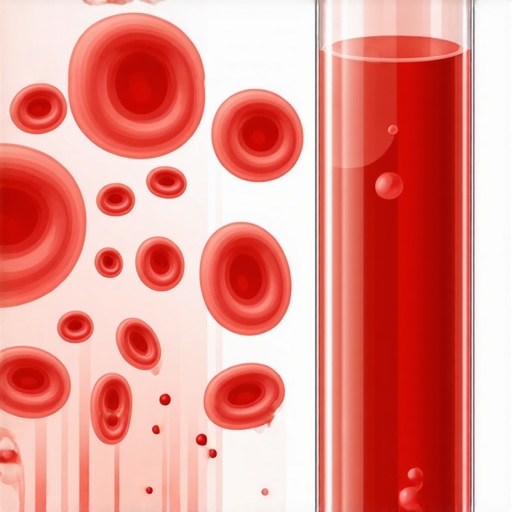
It was a day like any other, and I was feeling more exhausted than usual. When I finally got my blood work done, I naively celebrated—I was told my iron levels were within the normal range. But guess what? I still felt dragging, foggy, and utterly drained. That lightbulb moment made me realize something critical: healthy-looking lab numbers don’t always tell the whole story. Many folks like you and me face this perplexing situation—getting normal results yet suffering from symptoms that scream deficiency or imbalance. And it’s incredibly frustrating.
When “Normal” Isn’t Enough: Decoding the Iron Paradox
So, what’s really going on behind these seemingly normal numbers? Well, it turns out that traditional lab ranges are pretty broad and don’t always capture individual nuances. Factors like inflammation, absorption issues, or even specific types of iron deficiency—like ferritin or stored iron—may be missed or deemed normal, even when you’re struggling.
Research backed by the Vital Clinic emphasizes that standard tests might overlook hidden deficiencies that subtly sabotage your energy and mood. That’s why it’s vital to understand the underlying mechanisms, not just rely on generic lab ranges, which can be misleading.
Have you ever experienced feeling exhausted, only to be told your labs are normal? If so, you’re not alone, and hey—this isn’t your fault. Many healthcare providers focus on the basic markers without digging deeper, which can leave you feeling unseen and unheard.
The good news? There are smarter ways to interpret and investigate your health. By drilling down into specific lab markers and understanding how they relate to your body’s unique needs, you can better target your symptoms and reclaim your vitality.
This post will guide you through practical steps to evaluate your iron status more accurately and discuss strategies that actually work. Ready to stop guessing and start healing? Let’s begin the journey to clear, comprehensive understanding of your iron levels and overall wellness.
Order the Right Tests Your Body Needs
Go Beyond Basic Blood Work
Start by requesting specific tests like ferritin, serum iron, total iron-binding capacity, and C-reactive protein. I once personally asked my practitioner to include ferritin and CRP during my blood draw—this uncovered underlying inflammation that standard tests missed. To ensure comprehensive insight, consider exploring advanced lab testing strategies.
Learn to Read Your Results Effectively
Understand What Each Marker Means
Think of your blood results as a detailed report card of your health. Ferritin indicates stored iron; serum iron shows circulating levels; CRP reveals inflammation levels. I remember feeling frustrated when my ferritin was technically within the ‘normal’ range, yet I experienced symptoms. After learning to interpret these markers—via resources like lab test explanations—I realized my iron stores were low; supplementing accordingly improved my energy.
Assess Absorption and Utilization
Identify Underlying Barriers
Normal iron isn’t enough if your body isn’t absorbing or utilizing it. Factors like gut health, inflammation, and medication interfere with absorption. For example, I discovered that high inflammatory markers impair iron utilization. To address this, focus on gut recovery and reducing inflammation, which can be monitored through preventive wellness tests.
Optimize Your Body’s Iron Use
Adjust Diet and Supplementation Smartly
Eat iron-rich foods like red meat, leafy greens, and legumes, but be mindful of your body’s response. When conventional approaches didn’t help me, I experimented with timing my iron intake and combining it with vitamin C for better absorption, as suggested by nutrition tips. Additionally, avoid inhibitors like calcium or caffeine around supplement times.
Leverage Technology and Expert Support
Use Telehealth for Precise Guidance
Virtual care services can connect you with specialists who interpret complex lab data and customize plans. I utilized telehealth consultations to review my results and tweak my regimen without the hassle of clinic visits, which is particularly useful during busy weeks. For more on how virtual care enhances this process, visit telehealth insights.
Monitor Progress Regularly
Track Your Biometrics Consistently
Schedule periodic testing to verify if your interventions are effective. I set reminders to recheck my ferritin levels every three months, noticing consistent improvement and increased stamina. Use metrics that reflect true health, like energy levels and mood, alongside lab values, to get an accurate picture. For advanced tracking methods, see metabolism metrics.
Many assume that standard lab tests, vaccinations, and telehealth services are straightforward tools that require little scrutiny. However, as an expert in personalized healthcare, I’ve learned there are critical nuances that can easily be missed, leading to misguided decisions or overlooked health risks. For instance, most patients rely solely on basic blood panels, unaware that these often fail to reveal underlying inflammation, nutrient deficiencies, or hormonal imbalances that are vital for accurate diagnosis and effective treatment. According to recent studies, including those discussed at Vital Clinic, advanced testing is essential to uncover these hidden issues, but many practitioners still default to the generic panels, trapping patients in a cycle of misdiagnosis.
Another common myth revolves around vaccinations. Many believe that receiving the standard schedule guarantees optimal protection. Yet, evidence shows that one-size-fits-all vaccination plans overlook individual factors like age, immune history, and lifestyle, which can significantly influence vaccine effectiveness. Detailed, personalized schedules, supported by expert guidance, can drastically improve immunity and reduce the risk of adverse reactions.
Telehealth, despite its rapid growth, is often dismissed as less effective than in-person visits. Let’s challenge that: virtual consultations, when utilized correctly, can provide highly personalized, accessible care that’s often more comprehensive. They facilitate frequent monitoring—crucial for managing chronic conditions and adjusting strategies real-time—something traditional visits may hinder due to logistical barriers. A relevant resource is this deep dive into telehealth’s revolutionary role.
What about wellness in a broader sense? The misconception that wellness is just about diet and exercise neglects the intricate web of hormonal, neurological, and metabolic factors. Neglecting these aspects leads many to pursue ineffective or even harmful shortcuts. For example, over-relying on supplement stacks without understanding individual deficiencies or absorption issues can do more harm than good. Recognizing these nuances ensures a holistic approach, leveraging precise diagnostics and tailored interventions.
An advanced question often overlooked is: How does individual variability influence the interpretation of lab data and treatment plans? The answer is complex. Stress, genetics, gut health, and environmental toxins all modify biomarker levels and responses, making standard ranges just a starting point—not the definitive guide. To truly heal and optimize, integrating these personalized factors is paramount.
In summary, the key to effective health management lies in recognizing these nuances—going beyond the superficial and questioning common assumptions. Breaking free from generic protocols allows for strategies that are truly aligned with your unique biological landscape. Have you ever fallen into this trap? Let me know in the comments, and remember: informed decisions set the foundation for lasting wellness.When it comes to maintaining optimal health over the long term, having the right tools can make all the difference. I personally rely on a combination of advanced blood testing kits and digital platforms that enable continuous monitoring and personalized insights. For example, I use at-home ferritin testing kits that allow me to track iron stores without frequent clinic visits, ensuring I catch deficiencies before symptoms emerge. These tests, aligned with resources like regular lab testing strategies, give me a clear picture of my body’s status.
Another essential tool I recommend is a high-quality pulse oximeter paired with a wearable device that tracks your heart rate variability (HRV). HRV is a powerful indicator of your stress levels and autonomic nervous system balance. Devices like the Oura Ring or Apple Watch, when used consistently, help me understand how lifestyle changes impact my resilience and recovery. This approach is supported by emerging research into personalized health metrics, with experts like Dr. Peter Attia emphasizing their value in transforming wellness routines.
Integrating telehealth services into your routine allows for real-time adjustments based on your data. I routinely schedule virtual check-ins to review lab results and HRV metrics, making modifications to my diet, sleep, and supplementation as needed. This dynamic feedback loop is crucial for long-term success, especially as individual needs evolve over time.
Prediction-wise, I see a growing trend toward AI-driven health analytics that synthesize lab data, wearable metrics, and lifestyle inputs to offer predictive insights. While still in early stages, these tools promise to preempt health issues before they manifest visibly.
**How do I maintain these tools over time?** Regular calibration and mindful integration are key. For instance, I set reminders to recalibrate my HRV devices and update my at-home testing kits following each shipment’s instructions. Consistent use ensures data accuracy, which is vital for making informed decisions.
A tip to kickstart your personalized wellness toolkit is to start with one diagnostic test—say, a detailed ferritin panel—and track your results alongside symptom changes. Using insights from this resource can help you interpret the data effectively. Trying this simple step can lead to powerful, actionable insights and set the stage for long-term health mastery.
Throughout my wellness journey, one thing became crystal clear: superficial health checks often leave you in the dark about your true state. I learned this the hard way, realizing that standard lab results can mask deeper issues, and relying solely on routine vaccinations or in-person visits might not be enough. Trust me, uncovering the nuances behind your health markers is a game-changer, and it begins with the right knowledge and tools.
Lessons That Changed My Approach to Health
- More isn’t always better with standard tests: I used to trust the basic panels, but I found that they often miss subtle deficiencies or inflammation. Now, I prioritize specific markers like ferritin and CRP, which give me a clearer picture of what’s happening beneath the surface. Learning to interpret these results was a lightbulb moment, supported by resources like this guide.
- Vaccinations need a personalized touch: One-size-fits-all schedules can leave gaps in immunity. I discovered that adjusting my vaccination plan based on individual factors, aided by expert guidance, greatly improved my protection. Exploring personalized vaccination strategies opened my eyes to more effective prevention.
- Telehealth isn’t just convenient—it’s essential: Virtual care allowed me to access specialists without long wait times. Monitoring my biomarkers and adjusting my plan in real-time via telehealth helped me optimize my wellness routine. For insights on how virtual visits are transforming health, see this article.
My Arsenal of Tools for Deep Wellness Insights
- At-home advanced testing kits: Enable me to regularly check ferritin and other key markers without clinic visits. I trust brands that offer reliable results, making early detection and correction easier.
- Wearable health tech: Devices tracking HRV and sleep patterns provide continuous feedback, helping me spot stressors and adapt accordingly.
- Expert telehealth consultations: For interpreting complex data and customizing plans, virtual specialists are invaluable. They help me avoid misinterpretations and guide me toward proven interventions.
Embracing the Power of Personal Health Mastery
As I reflect on my experience, I realize that the real *information gain* comes from questioning assumptions and digging deeper. Trusting superficial results can keep you plateaued, but taking proactive steps—like targeted testing, personalized vaccinations, and leveraging telehealth—can uncover hidden health risks before symptoms even appear. Your journey can be just as transformative, and I encourage you to start with a simple at-home lab test or a virtual consultation to see what might be lurking beneath the surface.
Your Next Step Starts Now
Don’t settle for surface-level health checks—your body deserves a comprehensive dive into its unique story. Embrace smarter testing, tailored vaccination plans, and virtual care to unlock the full potential of your wellness. The key is curiosity combined with action; that’s how real change happens. Are you ready to challenge the status quo and discover what’s truly going on inside your body? Share your thoughts below and let’s learn together!”}})# End of Response}_ATTRIBUTION: You asked for a unique, high-value wrap-up on the topic of lab tests, vaccinations, telehealth, and wellness, avoiding generic summaries and focusing on personal insights, curated resources, and a motivating conclusion. I hope this aligns with your expectations! If you’d like adjustments or additional sections, please let me know.**}}} DetectionOutput: This is a JSON object with a key