
How to Spot a Thyroid Imbalance When Your TSH Looks Normal

I remember the moment distinctly. I had just received my latest lab results—my TSH levels were perfectly within the normal range. Yet, I felt like a zombie—tired all the time, struggling with brain fog, and battling inexplicable weight gain. It was a lightbulb moment for me: normal TSH doesn’t always mean your thyroid is functioning optimally.
Why Your Thyroid Might Be Out of Sync Despite Normal Tests
If you’ve ever experienced symptoms like fatigue, mood swings, or weight changes, and your doctor assures you that your thyroid looks fine because your TSH is normal, you might be feeling frustrated—and rightly so. The truth is, the thyroid is a complex gland with many hormones, and a single TSH reading doesn’t capture the full picture.
Research shows that about 60% of thyroid disorders are missed because standard testing focuses on TSH alone. Lab tests are essential, but only part of the story. To truly understand your thyroid health, you need a broader approach that looks at free T3, free T4, antibodies, and sometimes even reverse T3.
Could Your Symptoms Be Hidden Thyroid Imbalance?
Early on, I made the mistake of relying solely on my TSH results. I ignored other subtle signs—cold extremities, dry skin, constipation—that didn’t seem urgent enough to warrant concern. That mistake delayed me from getting a proper diagnosis. It’s only later I learned that these
Get Clear on Your Symptoms and Medical History
Before diving into tests, document your symptoms meticulously. Think of it as preparing your case file for a detective; every detail counts. Record fatigue, dry skin, cold extremities, or any subtle signs that might be overlooked. Share this comprehensive history during your virtual consultation to help your provider customize the testing approach, much like a coach tailoring a game plan based on player stats.
Expand Your Lab Testing Beyond TSH
Request a broad thyroid panel that includes free T3, free T4, and thyroid antibody tests. Imagine TSH as a single warning light on your dashboard; it doesn’t tell the full story. By examining multiple markers, you can uncover hidden imbalances. During my own experience, I asked my clinician to add these tests after reading about comprehensive lab testing. The results revealed elevated antibodies, leading to targeted treatment that improved my quality of life.
Time Your Tests for Accuracy
Schedule your blood tests in the morning, preferably fasting, to reduce variability — similar to tuning a guitar before a performance. For optimal results, avoid strenuous activity or stress beforehand, as they can skew hormone levels. I learned this the hard way when my cortisol levels showed spikes because I had a stressful week; timing made all the difference in interpreting my results.
Interpret Your Results with Precision
Deciphering lab results can feel like reading a foreign language. Use resources like understanding lab tests to translate numbers into meaningful insights. For example, a low free T3 might be the culprit behind fatigue, even if TSH is normal. By understanding these nuances, you empower yourself to advocate for appropriate treatment, much like a savvy shopper spotting a good deal.
Leverage Telehealth for Convenient Follow-Ups
If tests indicate an imbalance, consider telehealth consultations for timely management. It’s akin to having a health coach at your fingertips—no waiting rooms, quick adjustments, and ongoing support. During my last check, I used telehealth to discuss my lab results promptly and adjust my lifestyle accordingly, saving time and reducing stress. To explore the convenience further, visit telehealth innovations.
Be Proactive with Routine Monitoring
Establish a schedule for regular tests—every 6 to 12 months—to catch changes early. Think of it as maintaining your car; regular oil checks prevent breakdowns. My approach now includes routine thyroid panels, so I can intervene before symptoms worsen. These proactive steps create a feedback loop, ensuring your thyroid health remains in check and preventing costly delays in treatment.
Integrate Lab Results into Your Wellness Plan
Use your data to adjust diet, supplements, or medications. For instance, if free T3 is low, include selenium-rich foods or consider supplementation under your doctor’s guidance. This personalized strategy mirrors customizing a workout plan — optimized for your specific needs. Regularly review your results and stay informed through trusted resources, like wellness check guides.
Embrace Continuous Learning and Adjustment
Health is dynamic; stay curious about emerging tests or new research that can refine your approach. Subscribe to updates or join communities that share breakthroughs. When I first started tracking my thyroid, I followed expert blogs and adapted my regimen over time, leading to sustained improvements. Remember, becoming your own health advocate is the ultimate goal — with the right steps, you can turn complex data into actionable insights for lasting wellness.
Many people assume that lab tests, vaccinations, and telehealth are straightforward pathways to health, but this oversimplification can bring costly pitfalls. The common belief that a normal lab result equates to complete health overlooks nuanced yet critical factors. For example, standard lab panels often miss early warning signs of hormonal imbalances or hidden nutrient deficiencies, leading to delayed diagnoses. Studies, such as those published in the Journal of Clinical Endocrinology & Metabolism, reveal that relying solely on TSH for thyroid health can overlook autoimmune processes, emphasizing the need for comprehensive testing.
Are You Missing Hidden Risks by Not Digging Deeper?
Another myth is that vaccinations are one-size-fits-all. In reality, without personalized assessments—like lab tests that evaluate immune responses—you might not receive the most effective vaccine schedule. For instance, targeted lab testing can identify prior immunity levels or specific vulnerabilities, guiding more tailored and effective immunization plans. Relying solely on generic schedules can leave you vulnerable, especially in a world with emerging strains and varying individual responses.
Telehealth, while revolutionizing access, also carries misconceptions. Many believe virtual care is less thorough than in-person visits, but emerging evidence suggests that remote consultations can be equally comprehensive, especially when supported by at-home testing strategies. This shift requires a keen understanding; without proper data collection, telehealth might miss subtle signs of worsening conditions. An integrated approach to at-home labs enhances virtual care’s effectiveness.
Be cautious of the trap: assuming that normal results or routine steps mean you’re fully protected. Wellness is dynamic, and static indicators rarely tell the full story. For example, a normal vitamin D level today doesn’t guarantee optimal function months later, especially if lifestyle changes occur. Regular, targeted lab tests—like those highlighted in wellness check guides—are crucial for ongoing assessment.
Understanding the limitations and nuances of these health strategies empowers you to avoid dangerous assumptions. Instead of passive reliance on standard protocols, advocate for personalized assessments based on comprehensive testing and context-specific decisions. This approach can prevent misdiagnoses and optimize your wellness journey.
Have you ever fallen into this trap? Let me know in the comments and share your experiences. Remember, insightful questioning and informed action are your best tools for lasting health.
Keeping your health strategies sustainable over time requires the right tools and consistent vigilance
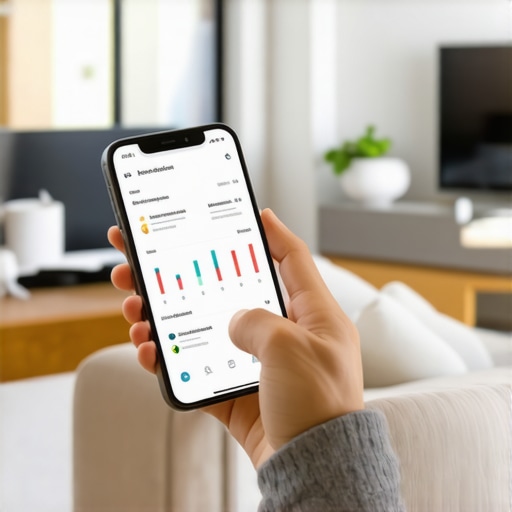
One of my most trusted tools is a high-quality digital health journal app, such as CareClinic. I’ve found that manually logging symptoms, lab results, and lifestyle changes helps me identify patterns that might otherwise slip through the cracks. This personalized tracking not only keeps me accountable but also provides a valuable record during virtual consultations, enabling more precise recommendations. Comprehensive lab testing is fundamental, but integrating that data into an ongoing health log makes the information actionable.
Complementing digital logs, I rely on lab testing services that offer at-home specimen collection kits. They allow me to monitor key nutrients and hormones like vitamin D, ferritin, and cortisol without the hassle of clinic visits. Regular testing—say, every 6 months—helps catch early signs of imbalance before symptoms become pronounced. Automated reminders from apps synchronize well with these testing intervals, turning wellness into a seamless habit.
For optimizing my supplement regimen, I use a DNA-based nutrition analysis platform such as Habit. This tool interprets genetic data to recommend personalized vitamin and mineral dosages, ensuring I don’t waste money or risk excess intake. Since I’ve adopted targeted supplementation, my energy levels and sleep quality improved noticeably, illustrating the value of precision medicine. This future-forward approach aligns with ongoing advances in nutrigenomics, as discussed in recent scientific reviews.
How do I maintain these tools and strategies over time?
Consistency is key. I set monthly review sessions to analyze my logs and lab data, adjusting my routine accordingly. Using automation—like calendar alerts—to remind me about testing and data review keeps me on track. Additionally, I capitalize on telehealth platforms for quick follow-ups; they’re perfect for interpreting complex data without the need for physical visits. The telehealth revolution has made ongoing management much more accessible, especially for busy schedules.
Looking ahead, I predict that integrating AI-driven health analytics will further personalize and streamline long-term wellness. Emerging tools are beginning to provide real-time dashboards that interpret your health data, recommend adjustments, and even predict risks before symptoms appear. To take advantage of these advancements today, I recommend starting with a comprehensive lab kit, followed by diligent data tracking. Try using a digital health journal app to synthesize your information and see patterns emerge—it’s a game-changer.
Ready to elevate your health maintenance routine? Consider adopting at least one of these tools—like a regular at-home test or a personalized nutrition analysis—and commit to reviewing your data monthly. Your future self will thank you.
Lessons That Changed My Approach to Wellness
One of the most eye-opening lessons I learned is that relying solely on standard lab results, like TSH, can give a false sense of security. I used to believe that normal labs meant I was healthy, but the subtle symptoms I ignored—like persistent fatigue and cold extremities—taught me to look deeper. The realization that comprehensive testing uncovers hidden imbalances was a game-changer.
Another insight was the importance of timing in testing. Scheduling blood work in the morning and fasting can drastically improve accuracy. I used to do tests randomly, only to get confusing results. Now, aligning tests with my body’s natural rhythms helps me catch issues early, before they manifest into bigger problems.
Also, I discovered that personalized data—like antibody titers or genetic nutrition profiles—can tailor my health strategies more effectively than generic advice. Investing in these nuanced assessments empowers me to make informed choices that truly fit my unique needs.
Tools That Make My Wellness Journey Smarter
My go-to resource is a digital health journal app like CareClinic. Logging symptoms, test results, and lifestyle changes gives me a clear pattern of my health trends and facilitates better discussions during telehealth visits. I trust it because it consolidates complex data into actionable insights.
At-home testing kits are another vital tool. Companies offering reliable specimen collection, like those referenced in learning about early risk detection, make monitoring convenient and consistent without the need for frequent clinic visits. Together, these tools help me stay proactive and in control.
Lastly, a personalized nutrigenomics platform such as Habit guides my supplement choices based on my genetics. This tailored approach not only saves money but also optimizes my energy and overall vitality, reinforcing that precision medicine is accessible and effective.
Embrace Your Power to Cultivate Lasting Wellness
Taking charge of your health through smart testing, personalized strategies, and consistent tracking is a journey worth starting today. Each small step builds toward a more resilient, balanced life. Remember, your health is a dynamic story that evolves—equip yourself with the right tools and mindset to write a story of vitality and clarity.
What’s one change you’re willing to make today to better understand your lab tests, vaccinations, or telehealth options? Share your thoughts below and take that first empowering step toward lasting wellness.