
How to Talk to Your Doctor About Chronic Fatigue via Telehealth
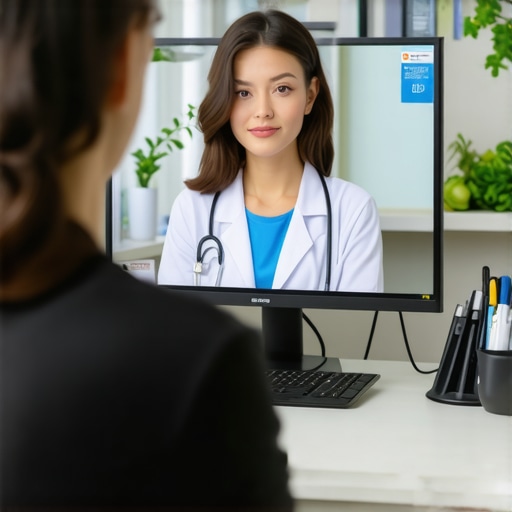
I remember the first time I tried to explain my chronic fatigue to my doctor over a virtual appointment. I was desperate, exhausted from trying to find the words that captured just how drained I felt every single day. The connection was spotty, and I kept wondering—was my voice even reaching them? That moment hit me hard: communicating complex health issues through a screen isn’t just challenging—it’s downright frustrating.
Why Many People Feel Lost When Discussing Chronic Fatigue in Telehealth
Chronic fatigue isn’t something you can easily sum up with a quick sentence. It’s often misunderstood, dismissed, or minimized—not just by others but sometimes even by ourselves, especially if we’re used to brushing it off. Now, combine that with the virtual format of telehealth, which, despite its convenience, can make these conversations even more daunting. The lack of physical presence sometimes makes it harder to convey the depth of your symptoms or to get the empathy you need from your healthcare provider.
And here’s a startling fact: according to a recent survey, nearly 60% of patients report feeling less understood during telehealth visits compared to in-person visits, often citing difficulties in describing symptoms or feeling connected with their provider (source: VitalClinicMD).
So, what happens when you don’t communicate effectively? You could end up with misdiagnoses, delayed treatments, or worse—your symptoms overlooked entirely. I’ve been there, making early mistakes like not preparing enough or avoiding certain details because I felt awkward. Trust me, these slip-ups can cost you precious time and health.
But there’s hope. The key is knowing how to approach your telehealth appointments intentionally and confidently. Today, I want to share proven strategies that will help you articulate your symptoms clearly, ensuring your healthcare provider truly understands your situation. If you’ve ever felt that your fatigue isn’t taken seriously or worry about how to bring it up convincingly, keep reading. The right approach can make all the difference in finding relief quicker and more effectively.
Prepare Your Symptoms Before the Call
Just like organizing your arguments before a debate, list your symptoms clearly. Write down when they occur, their intensity, and any triggers. For instance, recall a time I documented my fatigue patterns over a week. This helped me pinpoint fluctuations and communicate precisely what I experience daily, leading to better understanding with my provider.
Use Visual Aids for Clarity
Analogous to showing a photo in a presentation, visuals can make your symptoms clearer. Take photos of swollen joints or note sleep disturbances. Share these during the visit. This minimizes misinterpretation, especially when verbal descriptions fall short. When I struggled describing my unrefreshing sleep, having a sleep diary made a tangible difference.
Leverage Descriptive Language Effectively
Think of your symptoms as a story—use concrete descriptions. Instead of saying “I feel tired,” say “I wake up exhausted after 8 hours, and my energy drops sharply mid-afternoon”. I learned that descriptive language helped my doctor understand the severity and pattern, prompting appropriate tests like lab tests for early detection.
Ensure Connection and Clarity During the Call
Position yourself in a quiet, well-lit space. Imagine you’re in a meeting and need to be heard clearly—eliminate background noise. Use headphones if necessary. During my first telehealth session, I minimized distractions, which allowed me to articulate my symptoms with confidence. Remember, technical glitches can happen; staying patient and prepared helps keep the focus on your health.
Know When and How to Request a Home Lab Test
Think of lab tests as the GPS guiding your health journey. If symptoms are persistent, ask your provider about lab testing options that can be done at home. When I requested my first at-home test, I felt empowered and gained valuable insights without leaving my house, leading to more tailored treatment plans.
Discuss Vaccinations and Immunity Clearly
Vaccinations are like building a fortress—clarity ensures it’s effective. Prepare questions about necessary vaccines, like those needed before travel. Use available resources, such as wellness checks to understand what’s appropriate for your age and health status. I found that discussing my vaccination history beforehand streamlined the appointment and avoided missed opportunities.
Utilize Telehealth as a Tool for Continuous Care
Think of telehealth as a remote control for your health— it offers ongoing access without frequent clinic visits. Schedule follow-ups regularly; use telehealth to monitor symptoms and adjust treatments promptly. When I integrated virtual visits into my routine, managing my fatigue improved because I could engage with my provider whenever needed.
While many believe that virtual healthcare is just a convenient way to replace in-person visits, the reality is far more complex. An often-overlooked aspect is how misconceptions and superficial understandings can lead to suboptimal health outcomes. Let’s dig deeper into some common myths and advanced pitfalls that even experienced patients tend to overlook.
One widespread myth is that telehealth can completely replace traditional diagnostics like lab tests. Many assume that virtual consultations suffice for comprehensive assessment, but in truth, the nuance lies in how we interpret those lab results and their role in preventive care. For instance, relying solely on standard panels can miss early markers of chronic issues. Advanced tests, like the essential lab tests for vaccination planning, often reveal hidden health risks that are overlooked in routine checks. Neglecting these can delay detection of immune vulnerabilities, emphasizing the importance of personalized testing strategies.
Another trap many fall into is believing that all vaccinations are created equal and that a one-size-fits-all approach will suffice. In reality, a nuanced understanding reveals that vaccination schedules must be tailored to individual health profiles and travel destinations. Failing to recognize this can leave gaps in immunity, especially when best practices involve personalized timing and booster shots aligned with specific risks.
Let’s address a tricky question: How can one differentiate between genuine immune deficiencies and false reassurance from vague test results? This is where advanced knowledge becomes critical. For example, standard thyroid panels might appear normal, yet patients feel fatigued or mentally foggy. In such cases, exploring more detailed analyses becomes essential. A comprehensive approach considers subtle markers and functional tests that can unveil hidden deficiencies or imbalances and prevent misdiagnosis.
Overconfidence in the simplicity of at-home testing kits is another pitfall. Many users assume that these are as reliable as laboratory evaluations, but studies show that proper lab processing and professional interpretation are vital for accuracy. Without expert guidance, patients risk misinterpreting results, potentially taking unnecessary or harmful supplements or treatments.
Furthermore, an often-underestimated nuance is the dynamic nature of immune health, which fluctuates with lifestyle, environment, and even mental health. Relying solely on static test results without considering these factors can lead to faulty conclusions. This highlights the importance of continuous monitoring combined with contextual analysis, a practice championed by experts in personalized wellness.
In conclusion, to truly leverage telehealth, lab testing, wellness, and vaccinations effectively, we must move beyond superficial assumptions. Advanced understanding involves personalized strategies, detailed diagnostics, and recognizing the limitations of certain at-home tools. As you navigate your health journey, remember: being aware of these nuanced pitfalls can make all the difference. Have you ever fallen into this trap? Let me know in the comments.
Invest in Quality Home Diagnostics and Software
To maintain consistent health monitoring, I personally rely on a set of trusted tools that make tracking and interpreting my wellness data straightforward. For example, I use the Everlywell at-home lab testing kits because they offer high accuracy and detailed reports on essential markers like vitamin D, thyroid function, and immunity status. These tests, combined with the lab result interpretation guides, empower me to make informed decisions without unnecessary clinic visits.
Complementing lab tests, I utilize MyFitnessPal for daily nutrition tracking and Clue for cycle and symptom logging. These apps synchronize seamlessly and allow me to revisit patterns over time, highlighting fluctuations that might warrant further testing or adjustments in my wellness plan. Regularly reviewing this data helps catch early signs of imbalance before they escalate.
Harness Technology for Long-Term Tracking
One game-changer is integrating continuous monitoring devices like the Oura Ring, which tracks sleep quality, activity levels, and body temperature. It provides actionable insights based on a comprehensive pulse of your health trends, crucial for addressing issues like chronic fatigue. I find its data invaluable for correlating sleep disturbances with overall fatigue and adjusting my routine accordingly.
Forecasting future trends, I believe that advances in AI-powered health analytics will make personalized, proactive wellness management more accessible. These intelligent insights will alert us to subtle shifts, prompting timely interventions—potentially avoiding more serious complications down the line.
How do I keep my tools effective over time?
Maintaining the reliability of your wellness tools involves routine calibration and updates. For instance, regularly replacing sensors in devices like the Oura Ring and updating app software ensures data accuracy. Additionally, I schedule quarterly reviews of my health data, syncing with telehealth consultations (insights on telehealth’s evolving role) to adjust my strategies based on the latest information.
Another key is staying informed about new testing methods and device features—such as emerging at-home genetic tests that can reveal predispositions before symptoms appear. Resources like expert-recommended lab panels can provide a comprehensive understanding of your health prospects, ensuring you’re always on top of your wellness game.
Next Level: Customized Strategies for Consistent Results
Personalization is essential. I work with my healthcare provider to develop tailored vaccination schedules (see how personalized plans work), adjusting as my health needs evolve. Combining these customized actions with reliable tools guarantees long-term progress and resilience against setbacks.
Ready to elevate your self-care routine? Start by trying a comprehensive lab test from a trusted provider and analyze the results with dedicated resources. Taking this type of proactive step can be transformative in cultivating a sustainable wellness system tailored specifically to you.
Stepping back from the day-to-day tips, one of the most profound lessons I learned about leveraging telehealth and personalized wellness is how crucial it is to trust your instincts and champion your health journey. Real progress often comes from challenging assumptions—both our own and those held by conventional medicine—and advocating for the tests and treatments that resonate with our unique experiences. Remember, your health isn’t a one-size-fits-all equation; it’s a personal story that deserves tailored attention and proactive management.
What I Wish I Knew About Personalizing My Wellness Approach
Early in my wellness journey, I underestimated how powerful detailed lab tests could be in revealing hidden deficiencies. Discovering specific markers that standard panels often miss was a turning point, teaching me that asking for advanced testing, like the essential lab tests for vaccination planning, can save months of frustration. Personalization isn’t just a buzzword—it’s the backbone of effective healthcare, especially when managing chronic fatigue or immune concerns.
Furthermore, I realized that technology, such as continuous monitoring devices, can serve as an extension of your awareness. Tools like the telehealth approach to ongoing care empower you to catch subtle shifts before they escalate. These innovations turn passive health management into an active, informed practice that aligns seamlessly with personal wellness goals.
My Go-To Resources for Staying Ahead
- Everlywell at-home lab testing kits: I trust them because they marry convenience with accuracy, helping me track vital markers like vitamin D and thyroid function without frequent clinic visits.
- Digital health apps like MyFitnessPal and Clue: These tools allow me to maintain a detailed log of my nutrition, symptom patterns, and sleep—all critical data points for adjusting my wellness strategies dynamically.
- Oura Ring: Continuous sleep and activity tracking provides insights that verbal reports alone can’t capture, enabling me to fine-tune my routines effectively.
- Educational resources from reputable sites: Staying informed about interpreting lab results and latest vaccine guidelines keeps me empowered and engaged in my health decisions.
Embrace Your Power to Change
Your health journey isn’t just about ticking boxes—it’s about actively reshaping how you approach wellness. Each small step, like requesting a comprehensive lab test or integrating innovative devices, contributes to a cumulative change that can profoundly impact your quality of life. You hold the power to navigate telehealth options confidently, ask the right questions, and tailor your care to truly suit your needs. Don’t wait for health crises to ignite your motivation—start today, and transform your wellness game.
What’s one area in your health routine where you feel ready to make a strategic change? Share your thoughts below, and let’s inspire each other to take control of our wellness stories!
}#}#}**