
The Hidden Nutrient Deficiency That Mimics Chronic Anxiety

It was one of those days where I felt like I was drowning in a fog of endless worry, yet I couldn’t pin down a single cause. No major stressor, no obvious health issue—just an unsettling sense of dread that kept creeping back. After countless failed attempts to shake it off, I had a lightbulb moment: maybe it wasn’t just anxiety but something my body was silently missing.
The Hidden Link Between Nutrients and Anxiety
I started digging into research and realized that certain nutrient deficiencies can present symptoms eerily similar to chronic anxiety, leading many to pursue treatments that don’t really address the root cause. It’s a sneaky cycle—your body may be signaling a deficiency and you’re misinterpreting it as a mental health issue. This realization was a game-changer for me, and I want to share how understanding this can help others break free from that confusing, anxious cloud.
Could a Missing Nutrient Be Stealing Your Peace of Mind?
If you’ve ever felt anxious without apparent reason, or if your usual coping strategies aren’t working, it’s worth considering a hidden deficiency. Early on, I made the mistake of assuming my anxiety was purely psychological, overlooking the importance of proper nutrition. I ignored the possibility that something as simple as a vitamin or mineral imbalance could be fueling my symptoms. That mistake delayed my progress but once I addressed my deficiency, things improved dramatically. To learn more about how lab tests can uncover these hidden risks, check out this article.
Are you struggling with persistent feelings of unease that just won’t go away? If so, you’re not alone. But I urge you to consider whether an unseen nutrient deficiency might be at play. Next, let’s explore the specific nutrients that could be hiding behind your symptoms—and how to identify them efficiently through modern health strategies.
Order the Right Lab Tests to Pinpoint Deficiencies
Start by scheduling comprehensive lab testing with your healthcare provider to assess key nutrients linked to mental health, like magnesium, vitamin D, B12, and iron. I once felt a constant low-grade anxiety that medication didn’t touch, until my doctor ordered these tests. The results revealed a significant vitamin D deficiency, which I corrected through targeted supplementation, leading to noticeable anxiety relief. To streamline this, contact a provider who offers lab testing without a traditional doctor’s appointment.
Prepare for Accurate Results and Smooth Testing
To get reliable lab outcomes, avoid supplements or medications that can skew your levels at least a week before testing. Also, fast appropriately if glucose levels are involved. I once tried testing after taking a multivitamin, which made my results inconclusive. Once I followed proper prep guidelines—like fasting and avoiding certain supplements—the lab results accurately reflected my deficiencies. Learn more about understanding lab tests for better health insights.
Use Telehealth to Discuss Results and Next Steps
Receive your lab results online via telehealth appointments, making it easier to understand what they mean for your mental health. I booked a virtual consultation after my tests and learned that correcting my vitamin D deficiency was critical. This saved me a trip to the clinic and got me started on a supplement plan immediately. Virtual care platforms facilitate quick, expert advice—without the waits. For details on how telehealth is transforming wellness management.
Implement Targeted Nutritional Strategies
Based on your lab results, incorporate specific foods or supplements to correct deficiencies—like fatty fish and sunlight for vitamin D, leafy greens for magnesium, or fortified cereals for B12. Remember, consistency is key: I noticed my anxiety decreased as I maintained a daily routine of vitamin D supplements and increased sunlight exposure. Use trusted resources or consult a professional to create a tailored plan that fits your lifestyle. For more on integrating lab results into your diet, see health optimization strategies.
Monitor Your Progress Over Time
Schedule follow-up tests to track improvements and make necessary adjustments. This step ensures your efforts are effective. I kept a journal of my mood and anxiety levels, noting improvements after each adjustment. Regular monitoring helps catch re-emerging deficiencies early, preventing symptom recurrence. Learn how to track your health metrics effectively through metabolic markers and beyond.
While many embrace new health trends like telehealth and routine lab tests, misconceptions about these innovations often lead to missed opportunities or unintended pitfalls. One widespread myth is that scheduling a telehealth visit replaces the need for comprehensive physical exams. In reality, virtual consultations are excellent for follow-up and specific questions but can overlook subtle physical signs that only in-person visits can detect. Relying solely on telehealth without periodic in-person evaluations may delay critical diagnoses.
Are lab tests always as accurate as we think, or are there hidden nuances in results interpretation?
Many assume that lab results provide definitive answers, but factors like improper sample collection, fasting status, or biological variability can skew results. For example, a vitamin D level might appear normal, yet still be insufficient for neurological health if the testing was done after recent sun exposure or supplement intake. It’s imperative to understand the context behind lab markers and consult professionals who can interpret these intricacies. According to a study in the Journal of Clinical Endocrinology & Metabolism, pre-analytical variables significantly influence hormone and nutrient testing accuracy.
An advanced mistake often overlooked by consumers is neglecting immune system components when considering vaccinations or immune-related health strategies. Many believe that one-size-fits-all vaccination schedules work universally, but personalized plans based on antibody titers and exposure risk tend to be more effective. Over-vaccination can sometimes cause unnecessary strain on the immune system, whereas under-vaccination leaves you vulnerable. Experts emphasize tailoring vaccination protocols through blood tests to determine immunity status, a method discussed in detail here.
Another common trap is the assumption that the latest wellness fad or gadget guarantees health improvements. Devices promising to track everything from blood sugar to hydration levels often lack clinical validation and may give false reassurance or unnecessary alarms. It’s essential to focus on evidence-based practices like regular lab tests, professional interpretation, and validated telehealth services. For instance, utilizing platforms that offer comprehensive understanding of your lab results provides a far more reliable foundation than unverified health gadgets.
Being aware of these nuances allows you to navigate the wellness landscape thoughtfully. Don’t fall into the trap of assuming all new health tools and tests are foolproof. Instead, seek expert guidance, understand the limitations of each method, and integrate personalized strategies for true wellness. Have you ever fallen into this trap? Let me know in the comments.
Keeping Your Wellness System Running Smoothly
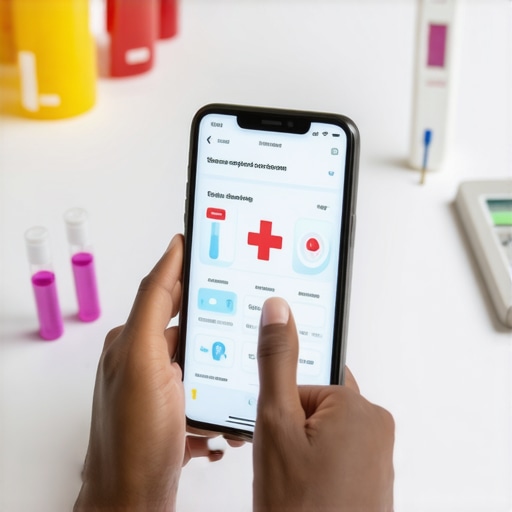
Staying on top of your health requires reliable tools and methods that can be integrated seamlessly into your routine. Personally, I rely on high-quality home testing kits like the comprehensive lab panels that measure key nutrients such as vitamin D and magnesium. These tests provide precise insights without the hassle of in-office visits, allowing me to adjust my supplementation effectively.
For ongoing monitoring, digital health apps like MyTreatment.com enable me to log symptoms and medication adherence, creating a detailed health record that’s accessible during telehealth consultations. This way, I can share real-time updates with my provider and receive tailored recommendations without delay.
Predicting the Future of Wellness Tools
As technology advances, expect the integration of AI-driven diagnostics and wearable sensors capable of tracking nutrient levels and physiological markers continuously. These innovations will facilitate more proactive health management, catching deficiencies before symptoms arise. Embracing these tools now positions you at the forefront of personalized care.
How do I maintain long-term health with these tools?
Consistency is key—schedule routine lab tests at least twice a year through wellness checks and keep your health data organized. Using telehealth platforms to discuss lab results promptly ensures timely interventions. Additionally, staying informed about your biomarkers through trusted educational resources empowers you to make smarter choices. Remember, integrating technology with professional guidance creates a robust framework for sustained wellness—try setting a biannual lab testing schedule and see how your health improves over time.
What I Wish I Knew When Starting My Wellness Journey
One of the toughest lessons I learned was to trust the data over assumptions. Early on, I dismissed subtle lab results because they didn’t match my symptoms perfectly. It wasn’t until I embraced comprehensive testing that I uncovered hidden deficiencies fueling my anxiety, changing my perspective on health management.
Another insight was realizing that technology isn’t a magic wand—it’s a tool that works best when combined with professional guidance. Relying solely on apps or gadgets can lead to false reassurance or overlooked issues. Partnering with healthcare providers through telehealth made all the difference in my recovery.
Understanding the intricacies of lab results was a game-changer. I discovered that pre-test preparations, like fasting or avoiding certain supplements, significantly impact accuracy. This taught me to approach health data with a more informed and cautious mindset, maximizing the benefits of every test.
Lastly, I learned that personalization beats one-size-fits-all solutions. Tailoring nutritional strategies based on my unique deficiencies and lifestyle shaped my improved mental clarity and energy levels. This approach empowers me to take control rather than wait for generic advice that might not fit my needs.
My Top Picks for Navigating Wellness, Vaccinations, and Lab Testing
- VitalClinic’s Lab Testing Services: Trusted for their comprehensive panels that reveal hidden deficiencies. They offer accessible options without long waits for appointments.
- Telehealth platforms: Essential for discussing test results and planning personalized interventions from home, saving time and stress.
- Educational resources: Knowing how to interpret your lab results enables proactive health decisions and prevents unnecessary anxiety.
- Vaccination and immunization strategies: Personalized plans based on antibody testing ensure effective disease prevention tailored to your lifestyle.
Your Move Toward Wellness Starts Today
Taking control of your health by understanding your body’s unique signals is empowering. Embrace modern tools like lab testing and telehealth to uncover hidden deficiencies and craft personalized wellness strategies. Remember, your wellness journey is a continuous process, and small, informed steps can lead to lasting change. Never underestimate the power of knowledge combined with action—your future healthier self is waiting to be unlocked.
What’s one step you’re ready to take today to improve your wellness? Share your plans below and let’s support each other on this path.