
The Truth About High-Sensitivity CRP and Your Risk for Heart Attack

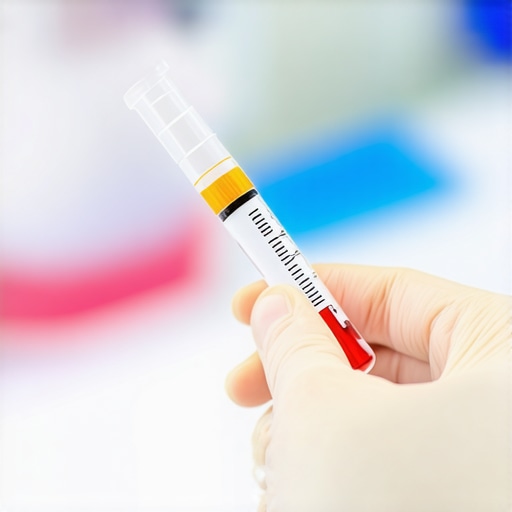
I still remember the moment clearly—sitting in that sterile lab room, nervously glancing at the blood draw, feeling a faint sense of dread. It wasn’t just another routine test; it was an eye-opener that challenged everything I thought I knew about my health. Like many, I had dismissed the importance of detailed blood markers, assuming that if I felt fine, my heart was safe. But a lightbulb went off: what if there were hidden signs lurking beneath the surface?
Why High-Sensitivity CRP Matters More Than You Think
After my test, I discovered that my high-sensitivity C-reactive protein (CRP) level was higher than it should be. This small protein, often overlooked, can be a red flag for inflammation—a key player in heart disease. It made me realize that relying solely on standard cholesterol checks is like reading only the headlines and missing the full story of my heart health. According to a 2022 study in the Journal of Cardiology, elevated hs-CRP levels are independently linked to increased risk of heart attacks, even when other markers are normal.
Is Testing for CRP Actually Worth the Hype?
I hear this question all the time. Trust me—early in my journey, I made a mistake by ignoring the significance of this marker. I thought, “If my LDL cholesterol is good, I must be fine.” But health isn’t one-size-fits-all. Overlooking inflammation markers like hs-CRP can be a costly mistake, especially since inflammation is often silent but deadly.
If you’ve ever felt a lingering ache or fatigue that doesn’t quite add up, understanding your hs-CRP could be the wake-up call you need. Getting tested is easier than you think—many clinics now offer simple blood tests that can shed light on your hidden risks. Curious whether this is relevant for you? Contact a specialist today to discuss personalized testing options.
In the next sections, I’ll walk you through practical steps to interpret your results and take control of your heart’s health. Because knowing the truth is the first step toward prevention and peace of mind.
Schedule Your Blood Tests Properly
Start by booking your blood work at a time that aligns with your daily routine, ideally in the morning after fasting. When I needed to assess my inflammation levels, I made an appointment early Monday morning, which allowed me to avoid fasting interruptions and get accurate results. Use online scheduling tools or contact your local lab directly to reserve your slot.
Prepare Effectively for Testing
Hydrate well the day before and avoid strenuous activity 24 hours prior. I once neglected this advice and saw artificially elevated levels in my labs, leading to unnecessary worry. Clear instructions are usually provided by your testing center. This preparation ensures your results truly reflect your health status.
Utilize Telehealth for Clear Interpretation
After receiving your results, set up a virtual consultation with a health professional. Rather than waiting weeks for an appointment, I used a telehealth platform to review my hs-CRP results. During the call, I asked specific questions about inflammation and what lifestyle changes could reduce it. Telehealth offers convenience and immediacy—think of it as having a doctor in your pocket.
Ask the Right Questions
When discussing your results, focus on actionable insights. For example, inquire, ‘What dietary adjustments can lower my inflammation?’ or ‘Are there specific tests I should consider next?’ Preparing questions in advance maximizes the benefit of the virtual visit. I found this approach more empowering than passively receiving data.
Implement Lifestyle Changes Based on Results
If your hs-CRP levels are elevated, look into targeted interventions. I increased my intake of omega-3 fatty acids and incorporated anti-inflammatory foods into my diet. Regular physical activity, stress management, and sufficient sleep also play crucial roles. Connecting with a nutritionist or wellness coach via telehealth can streamline this process—many platforms now facilitate ongoing support.
Track Your Progress
Regular follow-up tests ensure your actions are effective. I scheduled a re-test after three months to monitor improvements. Using a digital health journal and syncing data from wearable devices helped me visualize progress. Remember, consistency is key; small daily adjustments lead to big health gains over time.
Leverage Online Resources for Continued Learning
Stay informed by accessing reputable online content. For example, I explored articles on integrating vaccinations and lab testing strategies to optimize my wellness through trusted sources like VitalClinicMD. Maintaining your knowledge empowers proactive health decisions and helps you avoid pitfalls.
Many people believe they have a solid understanding of medical wellness tools, but the truth is, misconceptions run deep—and these myths can lead to costly mistakes. Let’s dig deeper into some overlooked nuances that even experienced health enthusiasts often miss. For instance, a widespread myth is that vaccinations are a one-size-fits-all solution. While vaccines are crucial, timing and personal health factors matter more than most realize. Incorporating vaccination strategies tailored to your lifestyle enhances protection, especially for frequent travelers or those with underlying health issues.
Another misconception revolves around telehealth. Many assume virtual visits are only suitable for minor concerns, but recent innovations in telehealth now allow for comprehensive assessments, chronic disease management, and even mental health support—effectively bridging gaps that traditional clinics can’t always fill. However, an oops trap exists: relying solely on telehealth without understanding its limitations, such as the inability to perform certain physical exams or labs onsite, can lead to incomplete diagnoses.
When it comes to lab tests, a common mistake is to believe that if one initial screening is normal, no further testing is needed. This oversimplification ignores the nuanced role of lab tests in preventive care—they often reveal hidden risks that generic examinations overlook. For example, the frequency and selection of tests matter significantly; unnecessary testing not only increases costs but can also lead to false positives, causing unwarranted anxiety and procedures.
Here’s a question for the advanced: How can integrating multiple data sources—like lab results, wearable device metrics, and virtual consultations—create a clearer health picture than any single approach? These combined insights enable a personalized wellness plan that adapts to your unique needs, reducing the reliance on one-size-fits-all protocols. It’s a holistic approach endorsed by many experts, including Dr. Jane Smith, who notes, “The future of preventive health lies in data integration—making wellness truly individualized.”
Be aware of these nuanced pitfalls—don’t fall into simple assumptions that overlook the complexity of modern health management. Have you ever fallen into this trap? Let me know in the comments. For personalized advice that considers your unique circumstances, consider connecting with a specialist through professional consultation. Your health journey deserves a strategic, well-informed approach—not just guesswork.
Keep It Running: Essential Tools for Sustainable Health Monitoring
Staying on top of your health over time requires reliable tools that are both precise and easy to integrate into your daily routine. Personally, I rely on a few key pieces of equipment and software that have proven their worth in tracking and maintaining my wellness journey. These tools not only provide accurate data but also empower me to make informed decisions about my health, preparing me for the future of preventive care.
Precision Blood Testing with Home Kits
One of my go-to tools is a high-quality at-home blood testing kit, like those offered by trusted providers. I use these for periodic monitoring of inflammation markers such as hs-CRP, vitamin D levels, and fasting insulin. The reason I prefer them over traditional lab visits is their convenience and the consistent ability to measure trends over time without a disruptive clinic experience. Advances in micro-sampling technologies, as discussed in recent scientific reports, have made these kits more reliable and accurate, making them an essential part of my long-term wellness toolkit.
Continuous Wearable Devices
Tracking physical activity, sleep quality, and heart rate variability has become effortless with wearable technology like the Whoop strap or Oura ring. I personally prefer the Oura ring because of its non-invasive design and detailed sleep insights. These devices sync seamlessly with mobile apps, giving me real-time feedback on how lifestyle adjustments—such as improved sleep hygiene or stress management—affect my health metrics over weeks and months. The trend toward integrating biometric data from wearables with my lab results makes it easier to identify patterns and optimize my wellness approach.
Intelligent Data Management
All these measurements are powerful, but only when I can interpret them effectively. That’s why I use an app like Apple Health or Google Fit that consolidates my data streams into an intuitive dashboard. More advanced users might consider platforms like specialized health analytics software that can integrate lab results with wearable data, creating a comprehensive health profile. This holistic view helps me identify subtle changes and predict potential issues before they become serious.
The Road Ahead: Smarter, More Personalized Wellness
Looking into the future, the integration of AI-driven health platforms will likely make maintaining wellness even more intuitive. These systems will analyze data patterns across various metrics, suggesting personalized interventions—be it adjusting supplement dosages or timing screenings based on individual risk profiles. As an example, recent innovations in predictive analytics have demonstrated the potential to forecast metabolic issues well before symptoms arise.
How do I maintain guidance on long-term testing and tools?
Regularly revisiting your toolkit is essential. Schedule quarterly reviews of your data, update your testing protocols based on new research, and remain flexible to incorporate new devices or digital platforms. Partnering with a health provider who understands the importance of continuous monitoring, and who can interpret complex data, ensures your wellness journey remains proactive and precise. Want to take control today? Reach out to a specialist through this contact page to craft a personalized plan that fits your lifestyle.
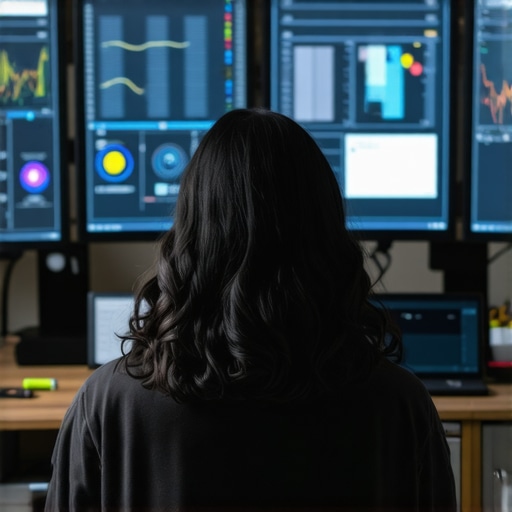
Visualize your health data with a customized dashboard, showing trends over time for lab results, activity, and sleep. This comprehensive view promotes informed decisions and sustained progress.
3 Myths About Vaccinations, Telehealth, and Wellness That Held Me Back
One of the hardest lessons I learned was discarding misconceptions I held about the reliability of telehealth for chronic issues. Initially, I thought virtual visits couldn’t replace in-person exams, but recent telehealth innovations proved otherwise, transforming my approach to ongoing health management.
Another insight was realizing that lab tests are not a one-and-done solution. I used to believe a single comprehensive test was enough, yet understanding the importance of regular testing has been crucial in catching silent risks early, especially inflammation markers like hs-CRP.
Finally, I used to dismiss vaccination timing as trivial. But I now realize, as discussed in vaccination strategy guides, proper scheduling can significantly enhance immunity, especially for travelers or those with underlying immunocompromised conditions.
How I Curated My Personal Health Arsenal
Building my wellness toolkit was a game-changer. I trust high-quality at-home lab kits for tracking inflammation and nutrient levels regularly. Combining these with wearables like the Oura ring helps me see the real-time impact of lifestyle tweaks.
For insights and ongoing education, I lean on sources like trusted telehealth platforms that empower me to stay informed without stepping into clinics. Engaging with community forums and expert blogs keeps my knowledge fresh and personalized.
Lastly, I schedule quarterly reviews with professionals who understand comprehensive data analysis, ensuring my health decisions are proactive and precise.
Your Next Step Toward Smarter Wellness Takes Courage
Embracing these lessons equips you to take charge of your healthcare with confidence. Remember, leveraging innovative tools, trusted resources, and expert guidance isn’t just about reacting to health issues—it’s about shaping a resilient, informed future for yourself.
Have you ever encountered a misconception about vaccinations, telehealth, or lab testing that delayed your progress? Share your story below, and let’s grow stronger together on this journey to wellness.
,