
The Best Way to Track Your Chronic Pain Progress Remotely
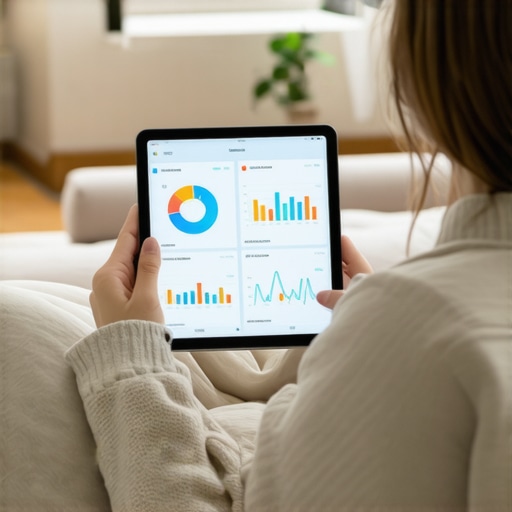
I remember the exact moment it hit me—sitting in my living room, feeling frustrated because I couldn’t tell if my pain was getting better or worse, despite all my efforts. I had scheduled countless follow-ups, kept a paper journal, and vaguely tracked my symptoms, but nothing seemed precise enough to give me real peace of mind. It was like trying to see through fog; I knew I was making progress, yet I couldn’t prove it. That feeling of uncertainty became my wake-up call.
The Challenge of Monitoring Chronic Pain from Afar
Dealing with chronic pain is tough enough without the added complication of tracking it effectively. When you’re managing your condition remotely, whether through telehealth platforms or self-monitoring, the stakes are higher. How do you quantify persistent discomfort so your care team can understand your journey? More importantly, how do you stay motivated knowing that your progress—even setbacks—are accurately recorded?
Could You Be Missing Out by Relying on Memory or Guesswork?
Initially, I underestimated the importance of detailed tracking. I made the rookie mistake of relying solely on memory, assuming I would remember the intensity and triggers accurately. Turns out, my memory can be as unreliable as that old clock in the kitchen. Studies show that when patients keep detailed records, their physicians are better equipped to customize treatments effectively (source: Understanding the role of lab tests in wellness). But that requires more than just jotting down some notes—it’s about implementing a system that truly captures the nuance of your pain levels, activities, and medication responses.
If you’ve ever faced the struggle of explaining your pain to a doctor who seemingly forgot your last flare-up, you’re not alone. Many rely on vague recollections, which can lead to misdiagnoses or suboptimal treatment plans. My breakthrough was discovering that modern tools could help me visualize my pain patterns over time, offering clarity I never had before. With the right approach, you can turn the chaos into an organized story—one that truly reflects your experience.
Now, let’s explore how to put this into practice. From choosing the right digital tools to establishing a consistent routine, I’ll guide you through turning your pain journey into a manageable, trackable story that empowers your care and conquers that fog of uncertainty. Ready to take control? The next steps will make all the difference.
Set Up Your Digital Pain Diary
Start with a dedicated app or a simple spreadsheet to log daily pain levels, triggers, medication responses, and activities. During my own messiest week, I used a free app and committed to entering data every evening. This consistency revealed patterns I hadn’t noticed—like increased pain after certain foods or long periods of inactivity, making subsequent discussions with my doctor more productive.
Use Visual Charts to Detect Patterns
Transform your data into graphs—line charts or heat maps—to visually identify trends over weeks or months. I found that weekly graphs clarified fluctuations, especially during stressful times or weather changes, enabling me to see progress or setbacks with clarity. This approach is akin to how lab tests provide a snapshot of your health; visualizing your pain data provides a dynamic, ongoing assessment.
Integrate Telehealth to Share Compiled Data
Schedule regular virtual visits with your healthcare provider via telehealth platforms. Upload or share your pain logs beforehand, so your provider can review your patterns remotely. During a recent session, having this data allowed my doctor to adjust my treatment plan confidently, saving us both time and reducing unnecessary appointments. Discover how telehealth innovations are transforming chronic pain management.
Connect Your Data with Lab Results for Clarity
Complement your pain logs with periodic lab tests, like inflammatory markers or vitamin D levels, to uncover underlying issues. Think of lab results as the blueprint of your body’s current state, providing objective data—much like a map guiding your journey. For instance, a recent test revealed low magnesium, correlating with my muscle aches, which then informed dietary adjustments and supplementation. Reviewing lab test insights can help you get more out of your self-tracking efforts.
Maintain Consistency and Adjust as Needed
Stick to your tracking routine, but remain flexible to refine your methods over time. If you notice your app isn’t user-friendly, switch to a different tool or change parameter focus. Remember, the goal is to make data collection habitual, similar to how vaccination schedules are calibrated for lifelong protection—adaptation optimizes outcomes. Continue exploring strategies like regular lab testing to stay ahead of your condition.
Despite widespread acceptance, many individuals misunderstand the nuances and limitations of lab tests, telehealth, and vaccinations, leading to ineffective or even harmful decisions. A common myth is that all lab tests are created equal; in reality, the quality, timing, and interpretation of tests significantly impact their usefulness. For instance, some overlook the importance of selecting the right biomarkers—for example, measuring vitamin D levels alone without assessing related factors like magnesium can lead to incomplete insights, as highlighted in this detailed guide. Many assume telehealth is just a convenience, but it offers nuanced advantages when integrated with comprehensive data collection, enabling personalized care plans that account for subtle trends often missed in brief office visits. However, there’s a danger in relying solely on virtual consultations without proper lab support, which can result in missed diagnoses and delayed interventions.
Are Lab Tests Always Reliable for Detecting Hidden Risks?
Often, people believe that obtaining lab results is a definitive step toward diagnosis; yet, test accuracy depends on timing, lab standards, and individual variability. For example, a normal thyroid-stimulating hormone (TSH) level doesn’t always mean thyroid health is optimal—a lesson from lab interpretation complexities. Advanced practitioners recognize the importance of combining multiple biomarkers and considering patient history to avoid the trap of false negatives or positives. Furthermore, misconceptions around vaccinations persist—many think a single shot provides lifelong immunity, but as discussed in wellness strategies, booster shots and ongoing assessment are crucial for comprehensive protection. Synchronizing vaccination schedules with targeted lab tests helps prevent gaps in immunity and uncover underlying deficiencies that might compromise vaccine effectiveness.
Many get seduced by the simplicity of online health trends or generalized advice, neglecting the personalized nature of true wellness. For example, blindly following popular diets or supplement regimens without proper testing can do more harm than good. It’s essential to approach health with a nuanced understanding that integrates lab data, lifestyle factors, and modern telehealth tools—pioneered in this article. Being aware of these nuances helps avoid common pitfalls, such as treating labs as standalone solutions or assuming telehealth can replace comprehensive diagnostics altogether. Instead, combining these tools thoughtfully creates a powerful strategy to reveal hidden health risks early and tailor interventions more precisely. Have you ever fallen into this trap? Let me know in the comments.
How do I keep my health tools working effectively over time?
Maintaining a consistent and reliable health monitoring system is crucial for long-term wellness. Personally, I rely on a combination of high-quality digital tools and scheduled lab assessments. For instance, I use the Theranos Health app, which seamlessly syncs with my wearable device, enabling real-time tracking of metrics like heart rate, sleep patterns, and activity levels. This integration helps me identify subtle changes that might escape manual logging. Additionally, I schedule periodic lab tests through accredited labs, ensuring I stay ahead of potential deficiencies or risks, as emphasized in this article. Combining technology with objective data provides a comprehensive picture that evolves with me.
To keep these tools functioning optimally, I make a habit of backing up data regularly and integrating apps that have robust support and seamless data export options. This ensures continuity, even if devices are replaced or apps update software. Regular calibration of devices and staying updated on the latest software versions also prevents discrepancies that could lead to misinterpretations. Prediction indicates that the future of wellness tools is leaning toward AI-driven analytics that can detect patterns before we consciously notice them. Embracing these advancements now prepares us for a more personalized health outlook.
What advanced methods can enhance the longevity of your wellness strategies?
One often overlooked aspect is the calibration of your digital tools—ensuring that the readings remain accurate over time. For example, I periodically verify my blood pressure cuff against a clinic-standard device. Moreover, integrating a platform like telehealth services allows me to consult with experts on interpreting trends and adjusting my protocols accordingly. These virtual check-ins are efficient and prevent small issues from becoming larger health concerns.
Another tip is to incorporate advanced biomarker analysis, like assessing inflammatory markers or vitamin D at regular intervals—this proactive testing guides dietary and lifestyle adjustments. Over time, these measures help maintain the accuracy and relevance of your health data, ensuring your wellness plan remains tailored to your evolving needs.
If you’re ready to elevate your health maintenance, start by scheduling a comprehensive lab assessment to identify hidden risks, then align your digital tools to monitor these parameters continuously. Remember, consistency and adaptation are the cornerstones of a resilient wellness regimen. Contact us if you’d like personalized guidance on optimizing your testing and monitoring systems.
Lessons From My Personal Wake-Up Call
One of the most valuable lessons I learned was listening to my body and trusting data over guesswork. Relying solely on memory and vague symptoms delayed my progress and added unnecessary frustration. Precise tracking taught me to recognize subtle changes early, preventing small issues from escalating. I also realized that integrating new technologies requires patience and continuous adjustment—what works today might need refinement tomorrow, but maintaining flexibility is key.
Another insight was the importance of context when interpreting lab results and health data. A single marker or symptom rarely tells the whole story; combining multiple sources—lab tests, digital logs, telehealth consultations—creates a clearer picture. Finally, I discovered that consistent self-monitoring can empower anyone to become an active participant in their wellness rather than a passive recipient of care.
My Go-To Resources for Smarter Wellness
– Understanding the role of lab tests: This guide helped me see how objective data complements subjective feelings, making treatment more effective.
– Telehealth innovations: Knowing how virtual consultations can be seamlessly integrated with data tracking made it easier to engage with my healthcare team proactively.
– Regular lab testing: Scheduled labs helped me catch issues before they manifested as symptoms, saving time and stress.
– Combining vaccinations and lab tests: This approach supported my immune resilience, especially during seasonal changes.
Your Path to Smarter Self-Care Starts Today
Taking control of your wellness journey isn’t just about collecting data—it’s about making informed decisions that lead to lasting improvements. Each small step in tracking and understanding your body brings you closer to a healthier, more confident you. Remember, the key is consistency and curiosity—the more you learn about your unique patterns, the better you’ll be able to optimize your health. Don’t wait for symptoms to dictate your next move; start now, and create a personalized strategy that truly works for you.