
Why Your Morning Coffee Is Sabotaging Your Fasting Blood Work
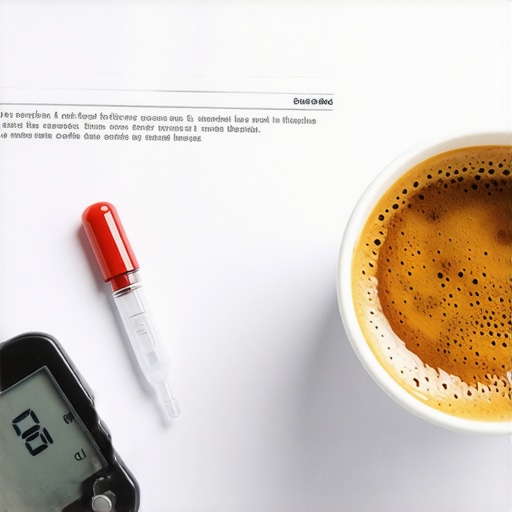
It was a sunny Tuesday morning when I finally got my blood work done after months of neglecting my wellness check. I chugged my usual large coffee, thinking it would keep me alert enough to tackle the day. But a few days later, I received my results—and everything was off. My fasting glucose was higher than usual, and my triglycerides looked suspicious. I couldn’t believe it. Could that morning brew really mess up my blood test for the entire day?
If you’ve ever faced a similar situation—waiting anxiously for lab results only to realize your favorite coffee might have sabotaged your fasting measurements—you’re not alone. I learned the hard way that what I thought was a harmless morning routine had significant implications. Today, I want to share what I’ve discovered about how your coffee habits can mislead your health data, especially when fasting is involved.
Why Timing and Beverages Matter for Accurate Blood Tests
< p >It turns out that consuming anything other than water before a fasting blood test can alter your results. Coffee, in particular, contains compounds like caffeine and oils that can temporarily raise blood sugar and triglyceride levels. This means that your morning espresso or latte might give a false impression of insulin resistance or lipid issues, prompting unnecessary worry or even wrong treatment decisions.
< p >In my early days of wellness tracking, I made the mistake of gulping down coffee on an empty stomach, convinced it wouldn’t impact my results. I wish I had known that even black coffee, usually seen as harmless, can influence blood markers when fasting. According to a study published in the *Journal of Clinical Lipidology*, consuming only water during the fasting window ensures the most accurate lipid measurements. Keeping that in mind, I’ve adjusted my routine to wait at least 8 hours after my last sip.
Is Coffee Really Worth the Hype for Fasting Tests?
If you’re skeptical about giving up your beloved morning brew, I get it. I thought I could sneak a quick coffee and still get accurate results. But I realized that consistency and honesty with your lab preparations are key to truly understanding your health. For more insights on how virtual healthcare tools can simplify this process, check out [exploring the benefits of telehealth in managing chronic wellness](https://vitalclinicmd.com/exploring-the-benefits-of-telehealth-in-managing-chronic-wellness). Remember, a small change in your pre-test routine can lead to much clearer, more reliable data.
Have you ever had your blood work compromised by your morning habits? If so, you’re not alone, and there’s a straightforward way to improve your results.
Now that I understand the importance of proper pre-test protocols, let’s dive into practical strategies to ensure your next blood test reflects your true health status—no illusions, no distortions.
Plan Your Test Timing Strategically
Choose mornings for fasting blood tests to avoid variations caused by daily activities. I scheduled my tests early, around 7 AM, after an overnight fast. This reduced the likelihood of food or drink influencing my glucose and lipid levels, giving me a true snapshot of my health. Consistency in timing helps track progress accurately over multiple tests.
Stick To Clear Drinking Guidelines
Prior to testing, only consume water. Avoid coffee, tea, or any beverages with added sugars or oils. During my first attempt, I drank black coffee, thinking it was harmless; however, my triglycerides appeared elevated. After strictly sticking to water for 8-12 hours, my results aligned with my overall health picture. Think of your body as a camera—what you ingest before a test is like adjusting the lens, so keep it clean for a clear shot.
Use Virtual Care for Everyday Monitoring
Leverage telehealth services to review your test results promptly. I uploaded my lab reports to a virtual platform, which allowed my provider to analyze data and recommend lifestyle tweaks without an office visit. This approach accelerates understanding and keeps health management seamless. For a comprehensive virtual experience, read more about how telehealth transforms personal wellness.
Prepare Your Body for Accurate Vaccination Records
Keeping an updated immunization record ensures better vaccination planning. I used telehealth consultations to verify my immunization status and received digital copies instantly, avoiding unnecessary clinic visits. This method accelerates the process, especially when traveling or updating records for school. Check out this resource to understand how lab tests complement vaccination efforts.
Proactively Manage Unexpected Results
If results reveal unforeseen issues, act promptly through virtual consultations. For instance, when my cholesterol was unexpectedly high, I adjusted my diet based on coaching from a telehealth specialist. This immediate feedback loop allows me to stay proactive rather than reactive, minimizing health risks. Remember, small dietary changes, like reducing saturated fats, can significantly influence lipid levels—think of it as tuning your body’s engine for optimal performance.
Document and Track Your Progress
Maintain a digital health journal to monitor trends over time. I upload my lab results monthly, which helps identify patterns and tailor my wellness strategies. Regular virtual check-ins ensure that you stay aligned with your health goals, enabling adjustments before issues escalate. This habit transforms health management from reactive to proactive—imagine having a dashboard that alerts you to potential issues long before symptoms appear.
” alt=”A person reviewing digital health data on a tablet” title=”Reviewing health data digitally”/>While many assume that lab tests, telehealth, and vaccinations are straightforward tools to monitor and improve health, the reality is far more nuanced. A common myth is that all blood tests are equally reliable regardless of preparation or timing. In fact, pre-test habits like consuming coffee or not fasting can skew results significantly, leading to misinterpretations of health status. For instance, caffeine can temporarily elevate blood glucose and lipid levels, possibly prompting unnecessary alarm or treatment decisions. To avoid such pitfalls, understanding the detailed nuances of test preparation is crucial, and a good resource is exploring the role of lab tests in preventive wellness. Additionally, many think telehealth is just a luxury, but in reality, it offers a precision advantage by enabling frequent, real-time monitoring and expert oversight that traditional visits can’t match, especially for managing chronic conditions. The misconception that vaccines are a one-size-fits-all solution overlooks personalized vaccination schedules, which can optimize immunity and reduce side effects; check more at personalized vaccination strategies.
A common trap is assuming that missing a scheduled lab or vaccination isn’t critical. In reality, delays or gaps can hide or exacerbate underlying issues, especially with conditions like autoimmune or metabolic disorders. I learned this from personal experience when I missed a routine blood test and wasn’t aware that many markers, such as ferritin or vitamin D, fluctuate with lifestyle and season, requiring consistent tracking for accuracy.
For the more advanced health enthusiast, a key question is: How do we interpret the interplay between various biomarkers in making proactive decisions? A nuanced understanding involves considering how markers like hs-CRP or fasting insulin levels can signal early risks that aren’t visible through standard comprehensive physicals. For example, elevated fasting insulin may flag insulin resistance well before blood sugar spikes, allowing for early lifestyle interventions. Learn more about this at detecting hidden health risks early.
In sum, a superficial approach to health testing and virtual care misses these subtle but vital points that differentiate average from excellent health management. Are you aware of these nuances in your routine? If not, it might be time to rethink your approach. Have you ever fallen into this trap? Let me know in the comments.Maintaining a consistent health monitoring routine requires the right tools that can adapt to your lifestyle and ensure long-term success. One essential device I personally rely on is a continuous glucose monitor (CGM), like the Dexcom G6, which provides real-time data on blood sugar levels without the need for frequent fingersticks. This device allows me to spot trends instantly, especially when exploring how meals or stress impact my wellness, and it’s particularly helpful for managing insulin sensitivity over time. Pairing the CGM with a user-friendly app such as MyFitnessPal enables me to log meals quickly, track macronutrients, and correlate these with glucose fluctuations, making dietary adjustments more precise and sustainable.
For virtual consultations, I use telehealth platforms that prioritize data security and provide comprehensive integrations with my health devices. The platform I prefer offers direct upload capabilities for lab results, seamless communication with healthcare providers, and personalized health coaching options, which amplify the benefits of regular tracking. To optimize results, I schedule quarterly check-ins via these services, ensuring that my wellness plan evolves with my changing needs. This proactive approach embodies the future of personalized health management.
Furthermore, I highly recommend investing in a quality blood pressure cuff like the Withings BPM Connect. Accurate blood pressure readings are often overlooked but are vital for cardiovascular health. Using a cuff that syncs with your smartphone allows you to monitor over time, identify patterns, and share data effortlessly with your doctor without leaving home.
How do I maintain my tools and data securely over time? I regularly review the privacy policy of my digital health tools to ensure my information remains protected, like the one detailed at our privacy policy. I also back up my digital health logs in encrypted cloud storage, making sure I have access regardless of device failures or app updates. Predicting where this tech trend is headed, I believe integrated AI-driven platforms will soon analyze combined data streams—lab results, wearable metrics, and behavioral inputs—offering personalized health insights that empower you to intervene early and effectively, drastically reducing reliance on reactive treatments.
If you haven’t already, try setting up a digital health dashboard that consolidates your lab results, wearable data, and virtual consult notes. This central hub can dramatically improve your ability to spot subtle health trends before they escalate. Remember, the key to sustainability is automation: automate your data collection and review processes as much as possible, so maintaining your wellness becomes second nature. For deeper insights into optimizing your virtual tools, explore how telehealth is transforming personal care.
The Hardest Lesson I Learned About Lab Tests, Telehealth, Vaccinations, and Wellness
Ultimately, consistent education beats quick fixes. I used to believe that a single blood test or a virtual consultation was enough to understand my health fully, but I realized that real wellness requires ongoing awareness and a proactive mindset. Misinterpreting data or neglecting preparation often led me astray, underscoring the importance of patience and continuous learning.
My Top Resources to Master Personalized Health
First, I swear by the role of lab tests in preventive wellness. It’s helped me decode complex results into actionable insights. For real-world tools, I use the Dexcom G6 for glucose monitoring, which offers real-time data that I trust for managing blood sugar levels without hassle. Additionally, my telehealth platform of choice provides seamless integration with my health devices, making virtual care both accessible and reliable. Lastly, personalized vaccination schedules serve as my go-to resource for ensuring my immunizations are current and tailored to my lifestyle, avoiding unnecessary gaps.
Let Your Wellness Routine Spark Change
Taking charge of your health isn’t about perfection; it’s about making informed, consistent choices that resonate with your unique body. Remember, the journey is ongoing, and embracing the learning process will lead to better, more confident decisions. Are you ready to rethink your approach to lab tests, telehealth, and vaccinations? Your path to genuine wellness starts now—so why wait?