
The Secret to Painless Blood Draws for People with Difficult Veins
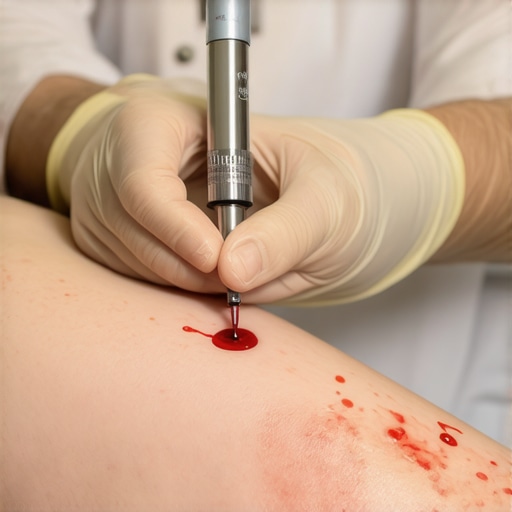
I vividly remember the moment when I realized how much I dreaded blood draws. Sitting in the sterile clinic, veins stubbornly hiding, my last attempt ended with a painful poke and a bruise the size of a tennis ball. It wasn’t just my imagination—people with difficult veins often face a rollercoaster of discomfort and frustration during routine blood tests. And let’s be honest—when you need regular labs for health monitoring or vaccination planning, the last thing you want is to turn a simple procedure into a painful ordeal.
Why So Many People Struggle with Blood Draws
For those of us with challenging veins, standard phlebotomy can feel like a battle. Veins may be too deep, small, or roll away just when the technician tries to insert the needle. This isn’t just inconvenient; it can be intimidating and even discouraging, causing anxiety that makes the veins harder to access. Did you know that approximately 45% of adults have difficult veins that complicate blood draws? (Source: [Vital Clinic MD](https://vitalclinicmd.com/understanding-lab-tests-your-roadmap-to-clearer-diagnosis-at-322-pm)). Unfortunately, early in my experience, I made the mistake of dismissing the importance of proper vein assessment, which only prolonged my discomfort. I learned the hard way that a little knowledge and preparation can make a world of difference.
Have you ever faced repeated failed attempts at your blood test appointment? If so, you’re not alone—and I promise there’s a better way. Today, I’ll share what I’ve discovered about making blood draws painless for people like us. We’ll explore simple strategies, the right questions to ask, and how telehealth can connect you with experts who understand your unique challenges. No more guessing, no more unnecessary pain.
Is It Really Possible to Make Blood Tests Painless?
My honest answer? Absolutely. But it requires knowing what to do beforehand. Early in my journey, I made the mistake of assuming all blood draws are the same, which led to multiple painful visits. Once I learned about techniques like ultrasound-guided venipuncture and proper site selection, everything changed. These methods aren’t just for hospitals—they’re accessible to people through the right healthcare providers. Plus, with telehealth options expanding, professionals can guide you remotely to ensure your veins are prepared for the needle.
So, if you’ve felt the sting of failed attempts or dread the next appointment, I urge you to stay with me. We’ll cover practical steps to increase your chances of a painless collection—the kind that confirms your wellness and keeps you feeling confident about your health. Ready to finally put fear and discomfort behind you? Let’s get started.
Prepare Your Veins with Proper Hydration
On the day of your blood test, drink plenty of water—aim for at least 16 ounces an hour beforehand. I recall a time I reached the clinic feeling dehydrated, making my veins less prominent and harder to access. After I increased my fluid intake, the technician easily found a suitable vein, reducing discomfort and failed attempts. Hydration helps veins swell slightly, making them more apparent and easier to puncture, especially for those with small or hidden veins.
Choose the Right Position to Boost Vein Visibility
Sitting with your arm supported and hanging relaxed on a flat surface encourages blood flow toward your veins. During my last appointment, I rested my arm on a table, letting gravity assist in raising my veins. This simple adjustment often makes veins more prominent, reducing the need for multiple sticks. Elevating your armabove heart level for a few minutes can further enhance vein visibility if you’re anxious about finding a vein.
Communicate Clearly and Ask for Expert Guidance
Be proactive: inform the phlebotomist about your difficulty veins and request experienced staff. When I explained my history of small veins, they used a gentle touch and employed techniques like applying a warm compress, which improved outcomes. Don’t hesitate to ask if the technician will use ultrasound guidance or a different vein site—these methods can make your blood draw smoother and virtually painless. Many clinics now partner with specialists familiar with challenging veins, so inquire about available options.
Utilize Telehealth Services for Specialized Support
Before scheduling your test, consider consulting with a telehealth provider who can advise on vein preparation and recommend local clinics with experienced phlebotomists. Virtual consultations can also help you understand techniques to relax during the procedure, like breathing exercises or distraction methods. For instance, I used virtual guidance last month, which helped me stay calm and improved the success rate of my blood draw. Telehealth increasingly connects you with experts who understand personal challenges, making testing less intimidating.
Optimize Your Environment and Mindset
Find a comfortable, warm environment for your appointment. Cold settings cause vasoconstriction, making veins shrink and harder to access. Dress in loose sleeves to facilitate easy access, and stay relaxed—tension tightens veins, complicating the process. I’ve learned that a calm mindset reduces anxiety and muscle tension, further easing the technician’s job. Techniques like guided meditation or listening to music can be surprisingly effective in creating a stress-free experience.
Follow Up with Actions Post-Test
After your blood draw, hydrate again and apply a cold pack if needed to reduce any bruising. If you experience ongoing discomfort, reach out to your healthcare provider or connect again via telehealth for advice. Maintaining good communication and preparation ensures future visits become increasingly smooth. For more insights on improving your lab testing experience, check out this guide on making lab tests less stressful.
Many assume telehealth is a one-size-fits-all solution, but in reality, overestimating its capabilities can lead to overlooked health nuances. For instance, a common myth is that virtual consultations are only suitable for minor issues; however, experts highlight how telehealth can facilitate complex diagnostic discussions when paired with proper lab testing and data interpretation, as discussed in [this comprehensive guide](https://vitalclinicmd.com/understanding-the-role-of-lab-tests-in-preventive-wellness). Another misconception revolves around lab tests: many believe that standard panels are sufficient, but they often miss crucial early biomarkers. Advanced testing, guided by professionals, can detect hidden risks before symptoms manifest, as emphasized in [this article](https://vitalclinicmd.com/how-lab-tests-can-detect-hidden-health-risks-early-in-your-wellness-pathway). A tricky aspect lies in wellness strategies, where people over-rely on popular trends like detoxes or supplements without understanding the nuance of personalized care. These approaches can sometimes do more harm than good if not tailored to individual metabolic profiles. A significant oversight is neglecting the importance of a holistic view, integrating lab results, lifestyle factors, and genetic predispositions for effective wellness plans.
Have you ever fallen into this trap? Let me know in the comments.
Why Is One-Size-Fits-All Approach a Risk in Modern Healthcare
The most overlooked nuance is that health is deeply individualized. Relying solely on general guidelines or outdated testing methods can cause you to miss critical early-warning signs. For example, many patients get routine blood tests but are not aware that certain biomarkers, like high-sensitivity C-reactive protein (hs-CRP), provide invaluable insights into inflammation and cardiovascular risk—yet are often omitted from standard panels. Experts warn that without these nuanced insights, preventative strategies can be ineffective or misdirected. As highlighted in [this research](https://vitalclinicmd.com/the-truth-about-high-sensitivity-crp-and-your-risk-for-heart-attack), nuanced testing is vital for truly personalized care.
A common “oops” involves misinterpreting lab results without expert guidance, which can lead to unnecessary anxiety or complacency. Telehealth services are now evolving to fill this gap, offering advanced diagnostics and expert analysis remotely. This shift enhances accuracy and ensures you receive tailored advice—something that static, in-clinic testing simply cannot match.
In conclusion, embracing nuanced, personalized approaches—combining virtual expertise, comprehensive lab testing, and individualized wellness plans—is crucial. It’s time to move beyond generic health advice and recognize that your unique biology demands a tailored strategy. To learn more about how telehealth is transforming accessible healthcare, explore [this insightful article](https://vitalclinicmd.com/revolutionizing-wellness-how-telehealth-transforms-personal-care). What’s the most common misconception you’ve encountered about modern health strategies? Share your thoughts!
Sustaining Your Wellness Arsenal with Precision Tools
Maintaining the effectiveness of your health tools is essential for long-term benefits. I personally rely on a few key devices that have transformed how I monitor and optimize my wellness. For example, I use a continuous glucose monitor (CGM) like the Dexcom G6, which seamlessly syncs with my smartphone via the Dexcom app. This real-time data helps me understand my blood sugar fluctuations without invasive finger pricks, especially useful when managing insulin sensitivity or understanding post-meal responses. Regular calibration and software updates are critical to keep this device functioning accurately over months and years.
Another indispensable tool I recommend is a digital body composition scale that pairs with an app to track trends in muscle mass, fat percentage, and hydration levels. My choice, the Withings Body+ scale, automatically records data and offers insights based on aggregate trends, not just isolated measurements. Routine maintenance involves weekly readings, ensuring batteries are fresh and calibration is verified per the manufacturer’s instructions. This proactive approach prevents data drift and keeps the device reliable.
How do I maintain data integrity and device longevity?
To ensure your devices deliver consistent results, keep them clean and stored properly. For electronics, gentle wiping with a soft, lint-free cloth and avoiding excessive exposure to moisture is vital. For lab test kits or home sampling tools, follow storage instructions precisely, such as keeping reagents refrigerated or away from direct sunlight, to prevent degradation. Additionally, staying current with firmware updates or app integrations ensures your tools incorporate the latest accuracy improvements and security features. Many manufacturers release updates that fix bugs or enhance user interface, making your data more trustworthy and easier to interpret.
Automation can also simplify routine maintenance. Set reminders for calibration, battery replacement, and firmware updates using calendar apps. For example, scheduling monthly checks ensures your devices aren’t overlooked. Leveraging telehealth services allows you to verify that your tools align with clinical standards and get professional advice on troubleshooting issues.
Plan Ahead to Scale Your Wellness Routine
Anticipate future needs by investing in modular tools or platforms that can grow with you. As I expand my health monitoring, I plan to incorporate labs like genetic testing for personalized nutrition, facilitated virtually through partnerships with providers I trust. These complex analyses often require expert interpretation; subscribing to telehealth consultations ensures actionable insights without the hassle of multiple visits. Over time, integrating diverse data sources—wearables, lab results, lifestyle logs—creates a comprehensive picture of wellness, guiding more precise interventions.
How do I keep my health strategies adaptable for long-term success?
Staying flexible means regularly reviewing your data and adjusting your toolkit accordingly. As technology evolves, newer devices with improved accuracy will emerge. For instance, the latest advancements in non-invasive sensors are promising for reducing discomfort and increasing compliance. According to a recent study in Nature Biotechnology, innovations in biosensor development are making continuous health monitoring more accessible and accurate (source: Nature Biotechnology, 2023). Embrace these tools and consider trying out the latest versions when they demonstrate proven improvements.
Remember, maintaining your wellness tools isn’t just about durability—it’s about ensuring they provide meaningful, consistent data. I encourage you to experiment with your devices, routine calibrations, and updates. A simple yet impactful step is setting a quarterly review of your tools to assess if they still meet your health goals. Curious to get more personalized guidance? Reach out via our contact page and explore how telehealth can support your long-term wellness journey. Why not start today by scheduling a device check-up or firmware update and see the difference it makes in your health insights?
What I Didn’t Expect About Telehealth’s Impact on My Wellness Journey
One of the most surprising lessons I learned was how tailored advice from virtual health experts transformed my approach to blood testing and vaccinations. Initially, I thought telehealth was just convenient for minor issues, but I discovered it’s a powerful tool for nuanced health strategies—helping me navigate tricky veins and interpret complex lab results carefully. It became clear that personalizing my wellness routine through expert guidance was far more effective than generic advice.
Hidden Gems for Optimizing Testing and Prevention
Over time, I found that combining advanced home-testing kits with telehealth consultations unlocks insights I couldn’t get from standard checkups alone. Tools like high-sensitivity inflammation markers and genetic testing expose hidden risks early, giving me a proactive edge. My advice? Don’t overlook niche tests—they can reveal underlying issues before symptoms appear. For trusted resources, I rely on platforms linked to reputable providers—like the comprehensive insights at understanding the role of lab tests in preventive wellness.
Listening to Your Body Starts with Melting Away Fears
The most emotional insight I gained was how anxiety around blood draws or vaccinations often stems from a lack of understanding. Once I educated myself on techniques like site selection and proper hydration, my fear diminished. This empowered me to advocate for my needs during appointments, transforming a stressful experience into a manageable one. My message: take charge, ask questions, and remember that your wellness is a partnership, not just a routine.
Where to Go from Here
If you’re eager to develop a personalized approach to health management, start with the basics: stay curious about your own data, seek expert virtual guidance, and leverage innovative tools. Remember, your wellness journey isn’t just about one blood draw or vaccination—it’s an ongoing process of discovery and adjustment. Explore more about making your health strategy truly personal by visiting how telehealth is transforming personal care. Have you already found a health approach that makes you feel empowered? Share your experience below and let’s learn together.