
The Secret to Lowering Blood Pressure via Telehealth Monitoring
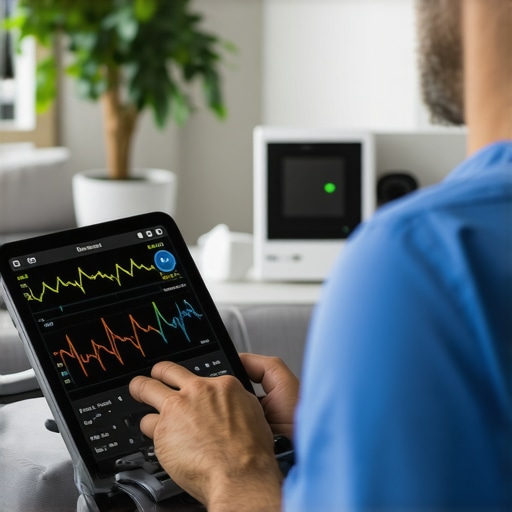
I remember the day vividly. I was sitting on my couch, clutching my wrist monitor after a confusingly high reading, wondering if I was doomed to medication or somehow neglecting my health. It hit me—all this time, I’d been chasing numbers, but I didn’t truly understand them. That realization was a lightbulb moment: managing my blood pressure wasn’t about sporadic visits or guesswork. It was about consistent, insightful monitoring — right from my living room. If you’ve ever felt overwhelmed by fluctuating blood pressure readings or unsure whether your lifestyle changes are actually helping, know that you’re not alone.
The Power of Telehealth for Blood Pressure Control
Many of us are realizing that traditional doctor visits, though essential, often don’t provide the real-time insights needed to make meaningful changes. That’s where telehealth monitoring shines—it bridges the gap between visits, offering a way to track your health more closely and conveniently. With virtual care, you can now keep a closer eye on your blood pressure, identify patterns early, and adjust your habits before issues escalate. This approach isn’t just modern fluff; studies show that continuous monitoring can significantly improve blood pressure management ([source](https://vitalclinicmd.com/telehealth-insights-the-future-of-accessible-healthcare-services)).
Is Telehealth Monitoring Really Worth the Hype?
Early on, I made the mistake of dismissing digital health tools as gimmicks. But I quickly learned that skipping out on consistent tracking made it impossible to see if my efforts to lower my blood pressure were working. Telehealth isn’t about replacing your doctor—it’s about empowering you to take charge of your wellness with data and guidance on demand. If you’re skeptical, you’re not alone—many worry about privacy or whether the technology is accurate enough. Rest assured, reputable platforms handle your data securely ([see privacy policy](https://vitalclinicmd.com/privacy-policy)). Once I started using virtual monitoring, the results were undeniable: better control, fewer surprises, and a more proactive approach to my health.
Ready to uncover how you can harness this powerful tool to lower your blood pressure? Let’s dive into the practical steps that can help you take your health into your own hands—without the hassle or wait.
Set Up Your Monitoring System
First, choose a reliable automated blood pressure cuff that’s validated for accuracy. I once bought a budget model, but it consistently overestimated my readings, leading to unnecessary anxiety. After switching to a clinically validated device, I noticed my numbers become more trustworthy. Ensure your cuff fits properly and learn to position it correctly at heart level, sitting comfortably with back supported and feet flat on the ground.
Establish a Routine for Measuring
Consistency is key. Measure your blood pressure twice daily—morning and evening—because patterns often emerge over days. I struggled initially, often forgetting or measuring irregularly, which muddled my data. Set reminders on your phone or use a dedicated app for logging. This routine creates a reliable dataset you can share during virtual consultations, aligning with telehealth’s revolution in personal care.
Track and Analyze Your Data Critically
Use digital tools or spreadsheets to visualize trends over weeks. Notice if certain foods, stressors, or activities cause spikes. Once I noted my stress levels correlated with evening readings, I adjusted my winding-down routines. Think of this process as tuning a musical instrument: small adjustments lead to harmony—lowering my readings and minimizing medication reliance.
Integrate Telehealth for Real-Time Support
Schedule virtual check-ins with your healthcare provider regularly, sharing your logs. Telehealth breaks geographical barriers, enabling timely guidance. During one consultation, my doctor spotted an irregular pattern that prompted a lab test, which uncovered an underlying condition. Remember, virtual care doesn’t replace your doctor but works alongside your efforts.
Coordinate Lab Tests to Pinpoint Risks
Order lab tests that can reveal hidden factors affecting your blood pressure, such as kidney function or electrolyte imbalances. An impactful example: I requested a comprehensive metabolic panel through my telehealth portal, uncovering early signs of imbalance. Combining lab insights with continuous monitoring offers a clearer picture and allows targeted interventions, aligning with the best practices discussed here.
Leverage Vaccinations and Lifestyle Adjustments
Stay up-to-date with vaccinations that prevent illnesses potentially complicating hypertension. Vaccines are like shields that strengthen your immune fortress. Additionally, implement dietary and physical activity modifications, tracked via your monitoring tools, to reinforce progress. Combining these strategies amplifies your control over blood pressure, turning proactive steps into lasting health benefits.
Don’t Forget Privacy and Data Security
Using digital health tools involves sharing sensitive information. Verify that your telehealth platforms comply with privacy standards. During my first use, I looked for platforms with robust encryption, ensuring my data remained confidential. Knowing your data is protected empowers you to focus solely on managing your health without concern.
Many people assume that wellness is solely about quick fixes like supplements or trendy diets. However, a deeper understanding reveals nuanced pitfalls that can undermine your efforts. For instance, the belief that all lab tests are unnecessary or that vaccinations are only for the young can lead to overlooked health issues or preventable diseases. It’s a mistake to rely entirely on standard tests without considering advanced markers that reveal hidden risks, such as inflammatory indicators often missed in routine panels ([see understanding lab tests](https://vitalclinicmd.com/understanding-the-role-of-lab-tests-in-preventive-wellness)).
Even in telehealth, many think that virtual visits are only suitable for minor concerns. In reality, telehealth has evolved into a sophisticated platform capable of managing complex chronic conditions and ordering precise lab tests remotely, thus offering a comprehensive approach to preventive care ([explore telehealth innovations](https://vitalclinicmd.com/telehealth-innovations-how-virtual-care-is-changing-wellness-in-639-am)).
A common misinformation is that vaccinations are solely for childhood. In fact, boosters and adult immunizations play critical roles in ongoing disease prevention. Skipping recommended vaccines can leave gaps, especially when considering the immune system’s gradual decline with age ([boost your immunity with expert tips](https://vitalclinicmd.com/boost-your-immunity-with-expert-vaccination-tips-in-the-afternoon-at-454-pm)).
Why do these misconceptions persist? Often, it’s because mainstream narratives emphasize quick fixes and neglect the importance of tailored, evidence-based strategies. Advanced wellness isn’t about one-size-fits-all solutions but about integrating personalized data—like comprehensive lab tests and vaccination histories—to craft effective health plans. Moreover, overlooking the significance of regular testing can result in missing early signs of conditions such as metabolic syndrome or inflammation, which silently increase risk over time ([maximize your health strategies](https://vitalclinicmd.com/maximize-your-health-combining-vaccinations-and-lab-testing-strategies)).
The trap here is assuming that wellness is a static milestone achieved by a few simple steps, ignoring its dynamic, ongoing nature. An overreliance on shortcut solutions or outdated beliefs hampers true health progress.
Remember, wellness is a journey that requires nuanced understanding and continual adaptation. Stay informed, question assumptions, and consult with experts who use comprehensive tools and evidence-based practices. Have you ever fallen into this trap? Let me know in the comments.Maintaining your health journey requires the right tools that not only provide accurate insights but also integrate seamlessly into your daily routine. Personally, I’ve found that investing in a high-quality, validated blood pressure monitor like the Omron Platinum is essential; it offers consistent accuracy and Bluetooth connectivity, which allows me to sync readings directly to my tracking app, making it easy to analyze patterns over time. This integration helps me stay proactive without the hassle of manual log entries.
For analyzing data, I rely on the MyFitnessPal app, tailored for health tracking, but I particularly appreciate the detailed graphs it offers, enabling me to spot trends—like how stress influences my readings or how dietary changes impact my blood pressure. Regular virtual check-ins via telehealth platforms likeVitalClinicMD ensure I get professional guidance without leaving home. These consultations are invaluable for interpreting my data and adjusting my wellness plan accordingly. As highlighted in telehealth’s future, remote care is reshaping how we manage chronic health conditions.
To deepen my understanding, I turn to at-home lab testing kits for markers such as inflammation or electrolyte imbalances. For example, ordering a comprehensive metabolic panel through telehealth portals has helped me identify subtle shifts before they manifest clinically. The lab testing process is straightforward, providing insights that guide personalized interventions.
Staying protected through vaccines remains a cornerstone of my health protocol. I follow a recommended schedule, ensuring I never miss boosters like the shingles shot, which I’ve learned from experts is crucial for longevity.
Predicting where this trend is headed, I believe that wearable biosensors and AI-powered platforms will become more sophisticated, enabling real-time health monitoring and instant alerts—making health management as intuitive as using your smartphone. Combining these emerging tools with established practices offers a sustainable blueprint for long-term wellness.
**How do I maintain my health tools over time?** Regular calibration of devices is essential; I schedule bi-annual checks or replacements for my blood pressure monitor and review my app integrations for updates. Keeping software updated ensures security and functional performance, especially vital given the sensitive nature of health data. Also, maintaining an open line of communication with healthcare providers through telehealth ensures my data remains relevant and actionable.
If you haven’t already, try syncing your blood pressure device with a tracking app and schedule a virtual consultation to interpret your data. This small step can dramatically improve your ability to manage blood pressure effectively over time. Remember, consistent tool use and proactive management are key to lasting wellness.
What I Wish I Knew About Self-Monitoring Early On
One of my biggest revelations was realizing that consistent self-monitoring is the backbone of effective blood pressure control. Relying solely on sporadic doctor visits left me flying blind, unaware of the fluctuations happening throughout my day. Embracing daily tracking taught me that small, intentional adjustments could lead to significant health improvements, making me feel empowered rather than helpless.
Another lesson was understanding the limitations of standard lab tests. They provide snapshots, but not the full story. Incorporating advanced markers through remote testing helped me uncover hidden risks, like early inflammation or electrolyte imbalances, that might have gone unnoticed otherwise. This deeper insight was pivotal in tailoring my health plan more precisely.
Lastly, I learned that trusting reputable telehealth platforms and secure data practices is essential. My health data is sensitive, and knowing it’s protected gives me confidence to share honest information, ensuring my wellness journey is as effective and safe as possible. These lessons reshaped my perspective, turning passive health management into an active, informed process.