
The Secret to Getting Your Blood Work Done Without Needle Anxiety
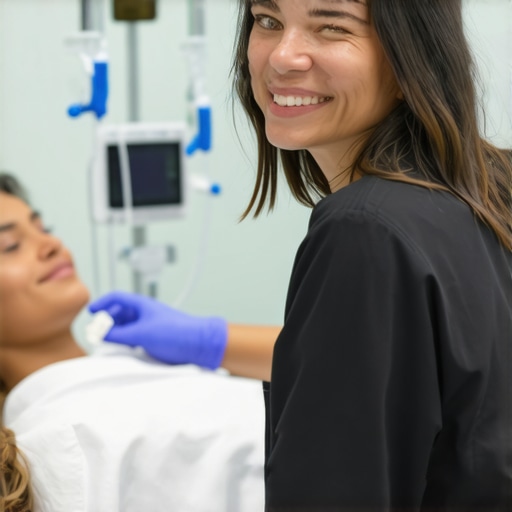
I used to dread every blood test appointment. The cold prick of the needle, the sudden rush of anxiety—I would often avoid getting tested altogether just to dodge the discomfort. It was a frustrating cycle that left my health vulnerable and my stress levels high. One day, during a routine checkup, I realized that my fear was bigger than the actual process, and that my avoidance was doing more harm than good.
Conquering Needle Fear: A Personal Journey to Better Health
That moment sparked a search for practical ways to approach blood work without trembling at the sight of a needle. What I discovered transformed not just how I handle testing, but my overall health management. If you’ve ever experienced blood test anxiety, know that you’re not alone, and relief is within reach. Today, I want to share the strategies that helped me—and can help you—breathe easier during these essential health checks.
Is Needle Anxiety Actually Worth the Hype?
When I first hesitated to get tested, I blamed my fear on a vivid childhood memory of a painful blood draw. But after some honest reflection, I realized I was making a critical mistake: allowing fear to dictate my health decisions. These avoidance tactics only increased my health risks and stress in the long run. According to recent studies, nearly 20% of adults experience needle phobia, yet safe, effective methods can help manage this fear and make testing a manageable part of routine wellness. To learn more about how telehealth is reshaping personal health care, check out this insightful article.
Are you someone who faces similar struggles when it comes to blood tests or vaccinations? If so, you’re in the right place. We’ll delve into my tried-and-true methods, backed by expert advice, to help you get your blood work done without the stress. Because your health matters—even when needles try to stop you.
.
Prepare Your Mind and Body Before the Test
Start by scheduling your blood work at a time when you feel most relaxed, perhaps after a calming activity or a good night’s sleep. Use deep breathing techniques—inhale slowly for four seconds, hold, and exhale—to reduce anxiety. I once booked a late afternoon appointment and spent five minutes doing meditation, which made the experience less intimidating. Visualize the process as a simple, quick task, similar to blinking a light or filling a cup—something that takes only moments. This mental reframing significantly lowered my stress levels.
Choose Virtual Care for Guidance and Support
Leverage telehealth platforms to connect with healthcare providers who can guide you through preparation and answer questions in real-time. For example, booking a virtual consultation allowed me to discuss my fears openly and receive tailored advice without leaving home. Experts often recommend online check-ins for mental readiness, which can include instructions on distraction techniques or relaxing routines. Discover how telehealth is revolutionizing personal wellness at this resource.
Use Distraction and Comfort Techniques During the Procedure
Bring a stress ball, listen to calming music through headphones, or practice mindfulness as the nurse prepares the blood draw. I used to stare at the ceiling, but now I focus on my breath and a soothing playlist. For some, squeezing a textured ball engages the hands and diverts attention. Additionally, applying a numbing cream beforehand can ease discomfort—consult your provider for options. Remember, the needle itself is often less painful than the anticipation. Consider reading more about managing pain here: this article.
Opt for Remote Testing When Possible
If your provider offers at-home lab testing kits, take advantage of these services to skip the clinic entirely. Think of it like ordering groceries online: convenience at your doorstep. When I used a remote testing service, I received a kit with clear instructions, and I pricked my finger at home for certain blood tests, reducing my anxiety and saving time. Many tests, including some basic panels, can now be done this way, with results sent securely via online portals. Learn more about how lab tests can detect hidden health risks early.
Follow Up and Incorporate Future Tests into Routine Wellness
After your first successful experience, plan regular testing to monitor your health proactively. Schedule these in advance and set reminders. This regularity desensitizes the fear over time and makes tests part of your wellness practice, much like brushing your teeth. Additionally, discussing options like virtual follow-ups with your provider ensures ongoing support. Explore why regular lab tests are crucial for staying ahead of health issues and maintaining confidence in your care routine.While many believe that telehealth and at-home testing are straightforward solutions, several nuanced pitfalls often go unnoticed. First, there’s a common misconception that virtual consultations alone can replace comprehensive in-person evaluations. In reality, telehealth excels at increasing accessibility, but it may miss subtle physical cues that require tactile assessment, which is vital for accurate diagnosis. An overreliance on digital platforms might lead some to think that lab results are infallible; however, improper sample collection at home—such as incorrect finger-prick techniques—can lead to inaccurate data, skewing your health assessment. It’s crucial to follow detailed instructions and consult with your provider if you’re unsure about sample collection procedures.
Another often overlooked aspect is the assumption that all lab panels are equally comprehensive. Standard panels might miss early signs of metabolic stress or inflammation, which are critical for preventive care. For example, advanced markers like hs-CRP or ferritin provide insights into inflammation levels that could indicate underlying health issues before symptoms appear. Regularly requesting specialized tests can reveal hidden health risks, enabling proactive management—learn more about the importance of targeted lab testing.
Furthermore, many think that vaccinations are only necessary during childhood or travel, but adult immunizations remain essential, especially when considering waning immunity. However, misconceptions persist about vaccine safety and necessity, which often lead to missed opportunities for disease prevention. Expert guidance can help dispel these myths—reading through this comprehensive myth-busting resource.
Finally, the biggest mistake is assuming that digital health tools replace qualified medical advice. While telehealth provides convenient access, it should complement, not substitute, thorough evaluations by healthcare professionals. virtual services are evolving rapidly, and becoming familiar with the future of accessible care can help you leverage technology wisely.
Remember, being aware of these nuances ensures you’re making informed decisions, maximizing the benefits of modern wellness strategies, and avoiding common pitfalls in your health journey. Have you ever fallen into this trap? Let me know in the comments.
How do I maintain my wellness routine over time?
Consistency is key when it comes to telehealth, vaccinations, and lab testing. I rely on a combination of digital tools and disciplined habits to ensure my health remains on track. For example, I use a secure health app that syncs with my wearable devices to monitor vital signs daily, providing real-time data that I review periodically. This proactive approach allows me to spot anomalies early, preventing minor issues from becoming serious problems.
Scheduling regular virtual consultations is another pillar of my maintenance strategy. Platforms like telehealth services enable me to connect with healthcare providers without the hassle of in-person visits. I set reminders in my calendar for these appointments, which helps me stay committed even during busy months.
Furthermore, I use at-home lab testing kits for routine blood work, testing markers such as vitamin D levels or inflammation indicators. This practice not only saves time but also provides peace of mind, knowing I can intervene early if needed. To maximize accuracy, I follow detailed instructions from reputable sources, like lab testing guides, ensuring consistent sample collection.
Tools I recommend for long-term health management
Personally, I’ve found that integrating a comprehensive health tracking system has transformed my approach. My go-to is the Oura Ring, which tracks sleep, activity, and readiness scores. This data helps me tailor my daily routines, prioritizing recovery on days with poor sleep quality. When analyzing my health trends, I cross-reference my data with insights from periodic wellness checks, ensuring data-driven adjustments.
For vaccinations and preventive care, I use an app that maintains my immunization records and alerts me about upcoming vaccines—keeping my immunization schedule up-to-date, which is crucial as immunity wanes over time. I also leverage telehealth for administering vaccines like the flu shot, which saves me the inconvenience of clinic visits. Regular updates and reviews in these tools make a significant difference in maintaining overall health.
Looking ahead: The future of health maintenance
The trend toward AI-driven diagnostics and personalized medicine is gaining momentum. Advanced algorithms will soon analyze your health data continuously, recommending tailored interventions before symptoms even appear. Experts suggest that integrating these technologies will make long-term health management more proactive and less reactive, aligning with the prevention-first approach I advocate.
One area ripe for innovation is the development of smart home lab kits that automatically upload results to your healthcare provider. Imagine a future where your health dashboard updates in real time, prompting timely action without manual testing. Until then, I recommend starting with a robust schedule of routine testing and virtual consultations—simple steps with powerful benefits.
Pro tip: Try setting up a daily health tracker and schedule monthly virtual check-ins to keep your wellness on course. Remember to review your data regularly and adjust your routines accordingly. Want to learn more about optimizing your lab tests? Check out this resource for detailed insights.
Lessons That Changed My Approach to Wellness
The biggest insight I uncovered was how overwhelming perceived perfection can hinder progress. I used to believe I needed to be completely fearless before tackling blood tests or telehealth appointments, but I realized that embracing vulnerability actually accelerates my health journey. Recognizing that perfect can be the enemy of good helped me start taking small steps without fear.
Another hidden lesson was how the myths about lab tests and vaccinations could keep you in the dark. Discovering that many standard panels miss early signs of issues made me question routine practices. It taught me to ask more detailed questions and advocate for advanced testing when necessary, opening new horizons for personalized health care.
Finally, I learned that technology isn’t just a convenience—it’s a game-changer. From at-home kits to virtual consultations, these tools can demystify complex health topics and empower you to take control. But the key is understanding their limits and combining tech-savvy approaches with professional guidance for truly effective wellness management.
Tools That Transformed My Wellness Routine
My first recommendation is the telehealth platform. It’s an incredible resource for connecting with providers who understand your unique health goals without the hassle of in-person visits. I also swear by the advanced lab testing kits, which allow me to monitor specific markers at home, giving me peace of mind and early warning signs of potential issues. Lastly, keeping my immunization records up-to-date with a dedicated app ensures I never miss a booster or vaccination, especially important as immunity wanes with age.
Keep Moving Forward With Confidence
Embracing these insights and tools has made my health management less daunting and more proactive. You don’t have to wait for symptoms to take action—empower yourself today with the knowledge and resources to navigate your wellness journey. Remember, the future of health is in your hands, and every small step adds up to big changes. Are you ready to take the next step toward a healthier, more informed life? Share your experiences below, and let’s grow stronger together.