
The Hidden Kidney Metric Your Annual Physical Usually Skips
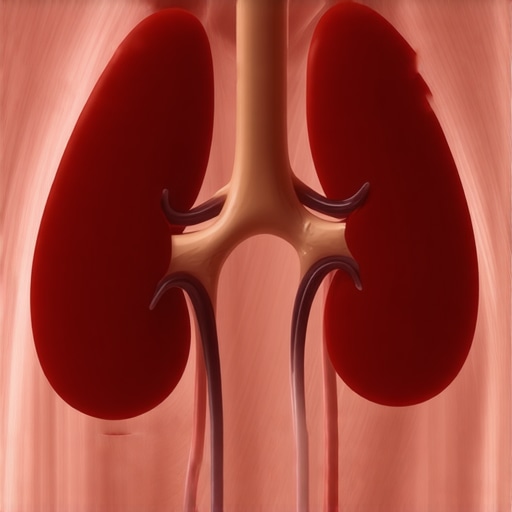
It happened on a routine morning—staring at my reflection and realizing I felt more sluggish than usual. My annual physical was just around the corner, but I shrugged it off, chalking it up to a busy week. Little did I know, a silent warning sign was hiding in plain sight, waiting to reveal itself through a simple blood test. That lightbulb moment made me question: are we really paying attention to everything our bodies are telling us during these checkups? The answer, I discovered, is often no.
The Real Reason Your Kidney Function Deserves More Attention
Most of us are familiar with standard labs like cholesterol and blood sugar—routine markers that are part of every annual exam. But lurking beneath these familiar numbers is a crucial metric that often gets overlooked: the estimated glomerular filtration rate (eGFR). This simple calculation offers a sneak peek into your kidney health, serving as an early warning system for potential issues that can silently do damage over years. Yet, many doctors overlook discussing this number, or worse, the test isn’t ordered at all. Why? Because it’s not a standard part of every physical, despite its importance.
Reflecting on my early days in wellness, I made the mistake of dismissing minor symptoms without checking this vital metric. The result? I almost missed the early signs of kidney stress, which could have led to more serious complications down the road. It’s like ignoring the warning lights on your dashboard until the engine actually stalls.
Here’s the truth: knowing your eGFR can significantly influence your health choices, far beyond what your typical blood panel reveals. It’s a simple, affordable test that can inform everything from hydration habits to medication adjustments. If you haven’t discussed this with your healthcare provider, now is the time to advocate for it. For more insights into how lab tests can spotlight hidden risks, visit [here](https://vitalclinicmd.com/how-lab-tests-can-detect-hidden-health-risks-early-in-your-wellness-pathway).
So, are you confident that your annual checkup covers everything it should? Or are you missing out on vital clues that could save your health years from now? Stay tuned—I’ll guide you through the essential steps to ensure this critical metric doesn’t stay hidden in your health story.
Prioritize the Right Tests During Your Next Checkup
Schedule a comprehensive wellness check, explicitly requesting your healthcare provider to include the estimated glomerular filtration rate (eGFR). When I did this last year, I realized my kidney function was borderline, prompting me to make dietary adjustments immediately. To do this effectively, come prepared with your latest lab results and a list of questions.
Be Clear and Direct with Your Doctor
Communicate that you want the eGFR included in your blood tests, emphasizing its importance in early kidney stress detection. Use online resources or visit this article to understand why this marker matters. Being assertive, like I was, ensures your request isn’t overlooked. If your doctor dismisses it, consider seeking a second opinion through virtual care options here.
Leverage Telehealth for Better Monitoring
Use telehealth consultations to review your lab results in real-time. I scheduled a virtual appointment to discuss my eGFR values, which proved incredibly convenient. This approach allowed me to ask questions without the hassle of in-office visits and to get personalized advice quickly. Telehealth also makes it easier to access specialists if your routine labs reveal potential issues.
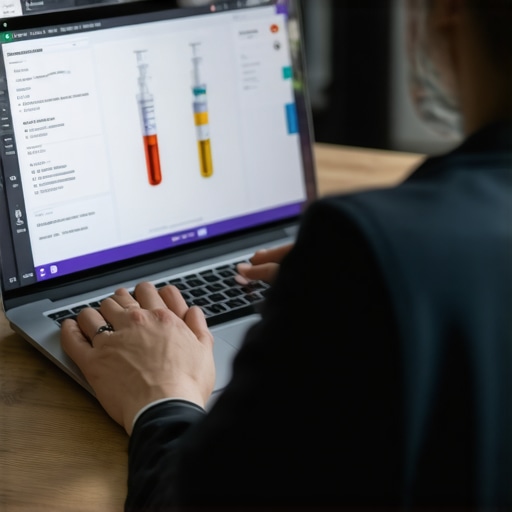
Visual aid showing a patient discussing lab results with a healthcare provider via video call.
Implement Lifestyle Changes Based on Results
If your kidney function shows signs of stress, take immediate action. My own experience taught me to increase hydration, reduce processed foods, and monitor blood pressure more diligently. Regular follow-ups can track whether these adjustments improve your eGFR over time. Remember, early detection often leads to better outcomes, so stay proactive.
Adopt a Consistent Testing Routine
Don’t wait for symptoms to appear. Incorporate kidney health assessments into your annual wellness checks. Setting reminders and maintaining an ongoing dialogue with your provider keeps your health on track. I now review my lab results online regularly, catching subtle changes before they become serious issues. For comprehensive health monitoring, consider combining lab tests with virtual care here.
Many assume that vaccinations, lab tests, telehealth, and wellness practices are straightforward tools for health management. However, beneath the surface lies a nuanced landscape full of misconceptions and pitfalls that savvy patients need to understand. Contrary to popular belief, simply following generic advice without understanding the intricacies can lead to missed opportunities and even health risks.
One common myth is that all lab tests are created equal. Many individuals rely solely on standard panels, assuming they cover all critical health markers. In reality, many essential markers—such as specific inflammation or nutrient levels—are often omitted unless explicitly requested. For example, tests like ferritin or high-sensitivity CRP can reveal underlying issues that standard tests might overlook. According to expert insights, personalized lab testing is key to uncovering hidden health risks that generic checkups miss. You can explore the importance of tailored diagnostics by visiting this resource.
Another misconception revolves around telehealth. Many see virtual care as a secondary option, reserved for minor issues. But in reality, telehealth has evolved into a sophisticated modality capable of managing complex conditions, guiding personalized interventions, and facilitating early detection through remote monitoring tools. The trap here is thinking telehealth is only for convenience; in fact, it enables continuous engagement and proactive health management, reducing reliance on reactive, episodic visits.
Regarding vaccinations, many believe that once vaccinated, further updates are unnecessary. This is dangerous. Immunization schedules are dynamic, with new vaccines and booster shots developed in response to evolving pathogens. Skipping updates not only jeopardizes personal immunity but also public health. Immunization strategies should be viewed as ongoing processes—integrating the latest recommendations from health authorities—rather than one-time events. Consider exploring personalized vaccination plans to optimize protection.
The hidden nuance lies in the interconnectedness of these elements. For instance, neglecting detailed lab tests can undermine vaccination effectiveness, especially if deficiencies or chronic inflammation compromise immune response. Similarly, ignoring the benefits of telehealth could delay identifying adverse reactions or emerging health issues linked to vaccination or wellness routines.
For those committed to a true wellness journey, it’s crucial to recognize these nuances. A comprehensive approach involves not only understanding what tests to run and when but also leveraging telehealth for continuous oversight and updating immunization plans consistently.
Have you ever fallen into this trap? Let me know in the comments.
To learn more about optimizing your health intelligently, visit this article.Maintaining optimal health over the years demands the right tools and practices. One essential gadget I personally use is the Withings Body Scan scale, which not only tracks weight but also provides detailed body composition, including muscle mass, fat percentage, and even nerve activity. This comprehensive data allows me to monitor subtle changes over time, enabling early intervention before issues become critical. For digital organization, I rely on a dedicated health journal app like MyShift, which consolidates lab results, vaccination records, and symptom logs, making it easy to identify patterns and share updates with my healthcare team via secure links. These tools empower me to stay proactive and informed, rather than reactive. Prediction-wise, as wearable tech advances, I foresee an integrated health ecosystem where continuous glucose monitors, blood pressure cuffs, and even hydration sensors automatically sync data, providing real-time insights and personalized recommendations—akin to having a health coach in your pocket. How do I maintain these tools over time? I schedule regular firmware updates, backup data securely following guidelines outlined in [privacy policy](https://vitalclinicmd.com/privacy-policy), and keep a habit of weekly data reviews to catch anomalies early. Incorporating these proactive practices ensures my wellness toolkit remains reliable, making long-term health management both feasible and effective. To get started, I recommend trying the detailed body composition tracking feature on your scale—this is a game-changer for early stress detection, as highlighted in a recent study on body monitoring technology [here](https://vitalclinicmd.com/understanding-lab-tests-in-preventive-wellness). Stay committed: your future self will thank you for it.
The Hardest Lesson I Learned About Wellness Tests and Virtual Care
One of my most profound realizations was understanding that trust in routine checks isn’t enough; proactively advocating for critical tests like the eGFR transformed my health outlook. I learned that being informed about obscure markers empowers you to catch issues early and avoid severe complications.
Another insight came from realizing that telehealth isn’t just a convenient option—it’s a vital tool for continuous health monitoring. Using virtual consultations to review my lab results and adjust my lifestyle in real-time has been a game-changer, proving that distance doesn’t mean detachment in health management.
Finally, I discovered that maintaining a curious mindset and questioning standard practices—like whether my immunizations are up-to-date or if my lab tests reveal hidden stress—are essential steps. Real change happens when you challenge assumptions and seek tailored advice, ultimately taking control of your wellness pathway.
Tools and Resources That Reinforced My Approach
My essential toolkit includes the Withings Body Scan scale, which offers detailed insights beyond weight, such as nerve activity and body composition—crucial metrics for early detection of health shifts. I also rely on the health journal app MyShift to track lab results, vaccination records, and symptoms, facilitating proactive discussions with my provider.
For deeper understanding, I frequently consult articles like this resource on personalized lab testing and these guidelines on lab test significance. They have been instrumental in refining my approach.
Looking ahead, I am excited about the potential of integrated health ecosystems—wearable tech and AI-driven insights—that will make personalized wellness plans even more accessible. Staying informed and adaptable remains at the core of this evolving journey.
Your Turn to Embrace a Proactive Health Mindset
Remember, the path to lifelong wellness isn’t about reacting to symptoms—it’s about continual vigilance, education, and embracing innovative tools to stay ahead. If you’re ready to take charge, start by requesting key tests like eGFR during your next checkup and leverage telehealth options for ongoing support. Your future self will thank you for the proactive choices you make today.
What small step will you take tomorrow to prioritize your health more effectively? Let me know below.