
3 Hidden Blood Markers That Explain Your Energy Crash
Last week, I found myself crashing hard in the middle of a busy afternoon, feeling drained and foggy despite having a decent night’s sleep and sticking to my usual diet. I brushed it off as stress, but then I remembered a recent lab test that revealed three sneaky blood markers I had never paid much attention to. That realization was a lightbulb moment—turns out, these hidden indicators could be the culprits behind my persistent energy crashes.
Unlocking the Mystery of Your Energy Slumps
Many of us struggle with unexplained fatigue, brimming with energy one minute and completely wiped out the next. For me, the breakthrough came when I learned how certain blood markers can silently influence how much energy we have, without any obvious symptoms. These markers are often overlooked in standard checks but can give you crucial insights into what’s really going on inside your body.
Think of it this way: your blood is like a detailed report card. If specific markers are off, they tell a story you might be missing, especially if you’re relying solely on common tests. My own mistake early on was trusting that a normal physical meant all was well. Spoiler alert: it wasn’t.
Knowing about these invisible indicators is a game-changer. By paying attention to the right blood markers, you can address root issues rather than just popping supplements or leveling up your caffeine intake. Want to see if your energy issues might stem from these hidden red flags? It’s easier than you think, especially with the rise of convenient virtual lab testing.
Could These Blood Markers Be the Hidden Saboteurs?
It’s natural to feel skeptical—believe me, I was there. I used to think, “If my labs look normal, why do I still feel drained?” My early mistake was ignoring the subtle signs and simply accepting fatigue as part of aging. But I’ve since discovered that certain markers like *C-reactive protein (CRP)*, *ferritin*, and *vitamin D levels* can be the overlooked villains behind chronic tiredness. And here’s the fascinating part: many of these tests can now be ordered virtually, saving you time and stress.
Supporting this, recent studies emphasize the importance of targeted lab testing for personalized wellness strategies. One such resource shows how early detection of these markers can lead to meaningful changes in energy and overall health (see [here](https://vitalclinicmd.com/how-lab-tests-can-detect-hidden-health-risks-early-in-your-wellness-pathway)).
Are you tired of feeling exhausted without a clear reason? If so, you’re not alone—and there’s good news ahead. Understanding and testing for these hidden blood markers can be your first step toward recharging your life.
Let’s dive into how you can identify these markers and take action to boost your energy.
Schedule a Telehealth Consultation for Targeted Testing
Start by booking a virtual visit with a healthcare provider experienced in wellness and preventive care. Telehealth platforms, like the ones discussed in this article, allow you to discuss your symptoms and get personalized advice without leaving home. During the visit, request specific blood tests such as CRP, ferritin, and vitamin D levels—these are often overlooked but crucial markers for energy issues.
Prepare for a Focused Blood Test
Once your provider approves the testing, follow the pre-test instructions carefully. For example, fasting for 8-12 hours might be necessary for certain tests, similar to how detailed prep improves accuracy in the lab. Use a trusted lab service that offers quick results—many now support at-home sample collection, streamlining the process and avoiding long waits typical of traditional clinics.
Choose Reliable at-Home Testing Kits
Several at-home testing kits can measure inflammation markers like CRP or nutrient levels such as vitamin D and ferritin. Think of these kits as your personal detective tools—just like a detective uses clues to solve a case, precise test results reveal what’s sabotaging your energy. When choosing a kit, review the quality standards and ensure the laboratory is CLIA-certified for accurate and trustworthy outcomes.
Utilize Virtual Labs for Fast Results and Guidance
After collecting your sample, submit it through secure online portals. Many labs, highlighted in this resource, offer rapid turnaround times. Once results are in, schedule a follow-up virtual consultation to interpret what they mean for your energy and overall health—think of this as your health report card, with personalized action steps to improve your vitality.
Implement Evidence-Based Lifestyle Changes
Based on your results and doctor’s guidance, make targeted adjustments. For instance, supplementing vitamin D if levels are low, or adopting anti-inflammatory foods like berries and leafy greens to reduce chronic inflammation. These modifications are like tuning an engine—they optimize your body’s performance and restore energy. Regular follow-ups can track your progress, much like fine-tuning a vehicle for peak efficiency.
Stay Informed and Proactive with Wellness Tools
Leverage digital resources, including educational articles and symptom trackers, to stay engaged with your health journey. As discussed in this piece, proactive wellness checks prevent issues before they escalate. Remember, your blood markers are like a blueprint of your health—reading and acting on them empowers you to beat fatigue at its root.
Many people operate under misconceptions about modern healthcare approaches like lab testing, wellness strategies, telehealth, and vaccinations. While these tools are revolutionizing how we manage health, there’s a common trap: oversimplification. For instance, many believe that a single normal lab result guarantees optimal health, but in reality, standard panels can miss subtle yet critical markers that reveal early chronic stress or nutrient deficiencies. Recognizing this nuance is crucial; relying solely on routine tests often leads to false reassurance and missed opportunities for early intervention.
Additionally, the myth that telehealth compromises quality can be misleading. In fact, virtual consultations often allow for more frequent, personalized check-ins, which are vital for managing complex conditions or preventative care. This is supported by research showing telehealth’s effectiveness in chronic disease management and wellness optimization, as detailed in this article on telehealth innovations. However, a common mistake is using telehealth only for minor issues; in truth, it’s a powerful tool for connecting with specialists and accessing comprehensive testing without the geographic or logistical hurdles.
When it comes to vaccinations, many overlook that the effectiveness isn’t just about receiving the shot but ensuring correct timing and personalized schedules. The misconception that standard vaccine intervals suit everyone can lead to subpar immunity, especially in adults. Personalized vaccination planning, supported by targeted lab assessments, can optimize protection. For further insight, see myth-busting on vaccinations.
A less obvious but critical nuance involves the interpretation of lab results. Conventional results might show the values are ‘within range,’ yet subtle deviations can imply underlying issues—like inflammation or early hormonal imbalances—that aren’t immediately apparent. Advanced testing techniques and a detailed understanding of biological markers are key to uncovering these hidden warnings. Supporting this, this piece explains how normal results can mask deeper problems.
Have you ever fallen into this trap? Let me know in the comments. Remember, the goal isn’t just to follow the standard script but to understand the nuances that can make a real difference in health outcomes. Being aware of what most people overlook enables smarter, more targeted actions—ultimately giving you better control over your wellness journey.Maintaining your health journey requires the right tools and strategies to ensure consistency and long-term success. Personally, I rely on a combination of digital health platforms and dedicated hardware to stay ahead of potential issues. Continuous monitoring devices like the Oura Ring provide insightful data on sleep patterns and activity levels, allowing me to identify early signs of fatigue or stress before they escalate. The ring’s advanced sensors track metrics such as body temperature, heart rate variability, and oxygen saturation, which are critical for personalized wellness adjustments. Coupled with a health management app like MyFitnessPal and Apple Health, I can track nutrient intake, physical activity, and vital signs—all in one consolidated dashboard, simplifying my daily health checks.
How do I maintain my wellness tools over time?
Regular calibration of devices and updating companion apps prevent data inaccuracies. Additionally, scheduling quarterly reviews of your metrics with a healthcare provider ensures that your data-driven strategies adapt to your evolving needs. Many of these devices and apps support seamless synchronization with telehealth services, enhancing your ability to share data with professionals without leaving home. Looking ahead, the integration of AI-powered health assistants promises more proactive health management, prompting you with personalized recommendations based on continuous data streams. This trend could revolutionize how we approach preventive care, making maintenance almost effortless.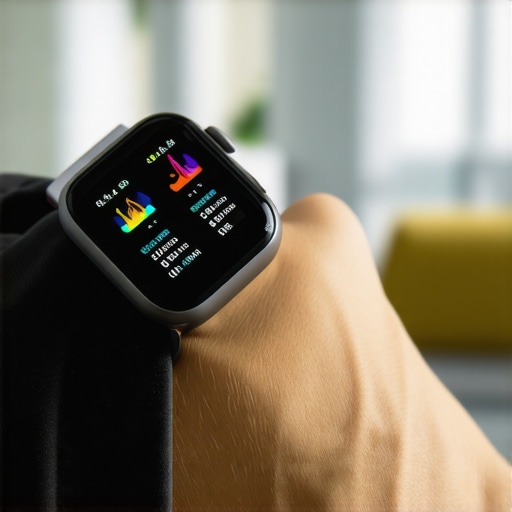
For example, high-quality wearables like Whoop or Oura, integrated with telehealth platforms, enable real-time monitoring and prompt intervention during early warning signs, which is crucial for managing chronic conditions or optimizing athletic performance. To get started, try wearing a sleep tracker for a week and review the patterns it reveals. You might discover insights that lead to better rest and increased energy. The key is consistency and readiness to adapt your routine based on validated data, ensuring your wellness remains effective over the long haul. For further guidance on data-driven health management, visit this resource. Long-term results are achievable when your tools support continuous feedback and adjustment, transforming health from reactive to proactive. As technologies evolve, expect even smarter, more personalized solutions to keep you on track with your wellness goals.
The Wisdom I Wish I Knew About Hidden Indicators
One of the most profound lessons I learned was that normal-looking labs can mask underlying issues. I used to believe that if my physical exam was clear, I was healthy. But digging deeper revealed that subtle signs—like elevated inflammation markers—could be influencing my energy levels. Recognizing these nuances helped me avoid complacency and take targeted action early on.
Another insight was understanding the power of virtual testing. The convenience of at-home lab kits and telehealth consultations allowed me to access personalized assessments without the hassle of clinic visits. This approach made proactive health management not just feasible but also sustainable amidst a busy schedule.
Lastly, I realized that nutrient levels and blood markers are interconnected pieces of a larger puzzle. Addressing deficiencies, such as vitamin D or ferritin, made a tangible difference in my vitality. It taught me that health isn’t just about avoiding disease but optimizing every biological system for lasting well-being.
Tools That Transformed My Approach to Wellness
My go-to resources include reliable at-home testing brands like LetsGetChecked, which I trust for their accuracy and ease of use. Their comprehensive panels, especially for inflammation and nutrient status, provided the detailed insights I needed. For interpretation, I relied on virtual consultations with experts found through platforms emphasizing personalized care, aligning with insights from this resource.
Books like “The Blood Code” by Dr. Mark Hyman helped me understand the significance of specific markers and how they influence overall health. Coupled with digital tools such as symptom trackers and health apps, I could adapt my lifestyle swiftly based on concrete data, transforming my approach from reactive to proactive.
Another game-changer was staying updated with credible online communities and educational content from trusted health portals, guiding me on nuanced topics like personalized vaccination timing, as described in this article. These resources empowered me to make informed decisions that aligned with my unique biology.
Your Path to Empowered Health Starts Now
Remember, your wellness journey is uniquely yours, and the tools to optimize it are more accessible than ever. Embracing personalized testing and virtual care can help you uncover hidden markers and address root causes of fatigue or imbalance. It’s about turning your health into an active partnership, where knowledge empowers action.
What challenges have you faced when trying to understand your blood markers or using telehealth services? Let me know below—sharing experiences can inspire others on their path to better health.