
Why Virtual Care Is Now the Faster Path for Routine Prescription Refills
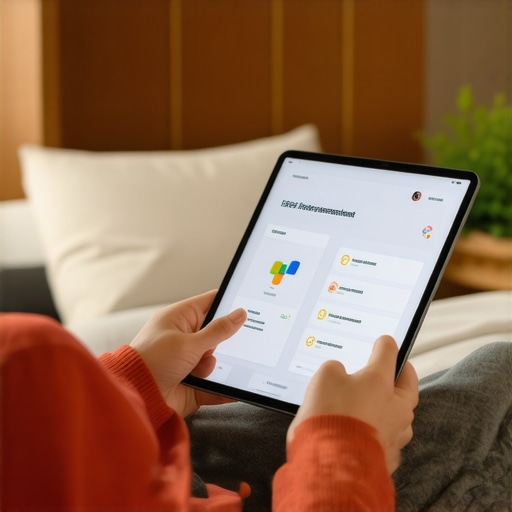
I remember the last time I ran out of my allergy medication right before a busy weekend. I was stuck in traffic, wasting precious time waiting at the pharmacy, feeling anxious about whether I’d get my refill in time. That moment hit me like a ton of bricks—the traditional process of visiting a doctor’s office, waiting for appointment slots, and then heading to the pharmacy is often a frustrating maze, especially for routine needs. Yet, I knew there had to be a better way.
Discovering the Convenience of Virtual Care for Prescriptions
In recent years, virtual healthcare has transformed from a novelty into a practical solution for everyday medical needs. If you’re tired of the endless waiting and rushing around for simple prescription refills, you’re not alone. Many people overlook how accessible and efficient telehealth services have become. Personally, I’ve found that with just a few clicks, I can connect with a healthcare provider, discuss my health concerns, and get my prescriptions renewed—all without leaving my couch. Isn’t it time you experienced the same?
Is Virtual Care Actually Worth the Hype?
Early on, I mistakenly thought that virtual visits might lack the personal touch or thoroughness of in-person appointments. I worried about missing subtle symptoms or face-to-face interactions. But I learned quickly that technology, when used correctly, can be incredibly effective. During one consultation, I was able to review my medication needs in detail and even discuss other health concerns conveniently. This approach saves time and often results in faster, more flexible care.
Research supports this shift—according to a recent [article](https://vitalclinicmd.com/telehealth-insights-the-future-of-accessible-healthcare-services), virtual care is now a cornerstone of accessible healthcare, especially for routine prescriptions and minor ailments. Plus, it’s often more cost-effective, reducing unnecessary visits and overhead.
Do you find yourself waiting days or even weeks just to get a prescription refill? If so, you’re not alone—and there’s a real solution within reach. In the next sections, I’ll guide you through how you can make the switch and enjoy the benefits of faster, more convenient virtual prescription refills. Let’s get started.
Set Up Your Telehealth Account
Start by choosing a reputable virtual care platform like VitalClinic. Download their app or visit their website, then create an account with your personal details, including insurance information if applicable. This initial setup is crucial; it’s like installing the foundation before building a house.
Gather Your Medical Information
Have your current prescriptions, medical history, and any recent lab results on hand. If you’re renewing a medication, locate the prescription details, dosage instructions, and pharmacy information. Think of this step as collecting all your puzzle pieces before assembling the picture.
Schedule Your Virtual Consultation
Login to your platform and select the option for prescription refill or routine consultation. Choose a convenient time slot, just like booking a table at your favorite restaurant. A quick heads-up: some platforms allow walk-in virtual visits, similar to dropping in without an appointment.
During the Call: Be Clear and Concise
When it’s time, log in promptly. Clearly explain your current medication needs, any side effects, or concerns. Use specific details—like dosage and frequency—to ensure your provider understands your situation. Imagine you’re explaining how to fill a prescription at a pharmacy; clarity is key.
Discuss Additional Wellness Checks or Lab Tests
If necessary, ask about essential lab tests linked to your prescriptions or overall health. For example, certain medications require monitoring of lab markers like kidney function or liver enzymes. Think of these tests as the regular oil change your car needs to keep running smoothly.
Request Personalized Vaccination Advice
If vaccinations are relevant, inquire about personalized schedules based on your health history. For instance, vaccination guides can be tailored to your age, lifestyle, and travel plans, much like a custom-fit suit. Check out how virtual care is transforming wellness — see how experts help develop these personalized plans [here](https://vitalclinicmd.com/boost-your-immunity-with-expert-vaccination-tips-in-the-afternoon-at-454-pm).
Confirm Prescription Details and Next Steps
Once your provider approves the refill, confirm the order. Many platforms automatically send your prescription to your preferred pharmacy, saving you time. If not, ask for direct instructions on how to pick up or receive your medication, similar to having your shopping list ready for checkout.
Follow Up and Track Your Medication
Maintain a log of your prescriptions and any side effects. Use digital medication trackers or apps linked to your virtual care platform for reminders. Think of it as setting a calendar alert for watering plants—it keeps everything on schedule without fuss.
Leverage Additional Support for Well-being
Explore ongoing virtual wellness services, such as mental health check-ins or chronic condition management. Combining these with prescription management can significantly improve your overall health journey, like having a personal coach constantly guiding you forward. For insight into how telehealth is improving wellness management, see [here](https://vitalclinicmd.com/revolutionizing-wellness-how-telehealth-transforms-personal-care).
Many people believe they understand vaccinations, lab testing, and telehealth, but beneath the surface lie nuanced misconceptions that could impact your health decisions. For instance, a common myth is that all lab tests are equally reliable; in reality, many standard panels miss early signs of inflammation—crucial indicators of chronic disease—that specialized tests can reveal. Relying solely on routine blood work without targeted testing might leave you blind to silent health risks like insulin resistance or subclinical thyroid issues. When it comes to vaccinations, some assume that age and general guidelines suffice, but personalized schedules based on your unique health profile, as detailed in expert advice, are far more effective in preventing disease.
A critical mistake many make is underestimating the importance of comprehensive wellness assessments. For example, annual check-ups often omit key kidney or liver markers that could predict future problems, as discussed in this article. Virtual care platforms have advanced rapidly, offering not just quick prescriptions but also in-depth evaluations; however, some users overlook the importance of proactive data collection and personalized monitoring—mistakes that can turn minor issues into serious health crises.
What about the misconception that telehealth cannot effectively replace in-person visits? This couldn’t be further from the truth. The evolution of digital diagnostics now allows providers to assess symptoms, review lab results, and monitor conditions remotely with high accuracy—especially when combined with at-home testing kits. As highlighted in this insight, embracing telehealth doesn’t mean sacrificing quality; it’s about leveraging technology intelligently.
A warning to watch out for is the tendency to delay testing or vaccinations due to misconceptions about necessity or timing. For example, delays in updating immunization records before international travel can compromise your safety; many users aren’t aware that virtual platforms can facilitate same-day updates, preventing last-minute issues. Proper understanding of the nuances in immunity, personalized disease prevention schedules, and the role of early detection through targeted lab tests are vital for effective health management.
By addressing these hidden nuances, we empower ourselves to make informed decisions rather than falling prey to myths or oversights. The next step is not just trusting generic advice but engaging with tailored strategies that recognize your unique health profile. Have you ever fallen into this trap? Let me know in the comments and share your experiences with virtual wellness or misunderstood health practices.
Ensuring your digital health tools stay effective requires regular upkeep and thoughtful selection. I personally rely on a combination of secure, user-friendly apps like MyHealthApp for medication tracking and LabResultsPro for reviewing and archiving lab data. These platforms integrate seamlessly, providing immediate access to lab reports and medication schedules, which keeps me proactive about my health. Additionally, I utilize a robust VPN service and set up two-factor authentication during account registration—security isn’t optional when managing sensitive health data. Maintaining software updates, backing up data regularly, and reviewing privacy settings are crucial steps I perform monthly to prevent vulnerabilities and out-of-date information from hindering my health management efforts.
Prediction points towards increased automation and AI-driven health monitoring. For example, predictive analytics could soon alert you about potential health risks before symptoms appear, turning maintenance into a proactive process. Staying informed about these innovations ensures I leverage the best tools available, like virtual care innovations that are reshaping wellness.
How do I maintain my health management tools over time? The key lies in routine audits—reviewing and updating app permissions, testing data synchronization, and ensuring compatibility with new devices or operating systems. Establishing SMART goals for your digital health regimen, such as quarterly check-ins to assess app effectiveness or updating vaccine records digitally, can help you stay on course. Implementing these practices ensures your virtual healthcare infrastructure remains reliable and tailored to your evolving needs.
Don’t underestimate the power of proactive tool maintenance. For instance, I schedule a quarterly data backup session and update my personalized vaccination schedules based on new guidance from experts, which you can explore here. This habit not only secures my information but also adapts my health plan to current standards. Take this tip as your challenge: dedicate 10 minutes this week to review and update at least one of your digital health tools—small steps lead to big gains in long-term wellness.
Throughout this journey, I’ve realized that embracing virtual healthcare isn’t just a convenience—it’s a profound shift in how we prioritize our health. The biggest lesson I’ve learned about vaccinations, lab tests, wellness, and telehealth is that being proactive and informed allows you to tailor healthcare to your unique needs. Personalization beats one-size-fits-all solutions every time, whether that’s requesting specific lab panels or scheduling targeted wellness checks. Additionally, I discovered that trusting reputable platforms and staying consistent with digital health tools empower me to catch issues early and avoid unnecessary stress. Lastly, the importance of challenging misconceptions cannot be overstated; understanding nuanced differences in tests and vaccines helps me make smarter decisions that truly benefit my health in the long run.