
The Truth About High-Sensitivity CRP and Your Heart Health

It was a chilly morning when I finally realized that my routine health checkup wasn’t telling the whole story. Despite feeling good and having no symptoms, a simple lab test revealed something unsettling: my high-sensitivity CRP levels were elevated. At first, I brushed it off, thinking, “It’s probably just temporary stress or a fluke.” But that moment ignited a curiosity I couldn’t ignore. I delved into the world of inflammatory markers and discovered a surprising fact: elevated hs-CRP can predict future heart problems, even when other tests look normal.^1|
Why You Shouldn’t Ignore Your Inflammation Levels
High-sensitivity C-reactive protein (hs-CRP) is a tiny, yet powerful, indicator of what’s happening inside your body. Unlike cholesterol or blood sugar, which get a lot of attention, CRP tells you about inflammation—the silent culprit behind many heart-related issues. Imagine your arteries as a highway. Inflammation causes tiny cracks and leaks, paving the way for blockages and heart disease. Early detection of elevated hs-CRP levels can give you a crucial head start—before symptoms even appear.
But here’s the catch: many people, myself included initially, make critical mistakes. I was trusting outdated notions that cholesterol alone paints the full picture. It wasn’t until I learned about the significance of CRP that I recognized how inflammation fuels cardiovascular risk, often sneaking under the radar. For a long time, I overlooked this marker because I didn’t understand its importance.
Fortunately, modern telehealth services make it easier than ever to monitor these vital signs remotely. You can access accurate lab testing and expert guidance without leaving your home. Want to know how to get started? Check out insights on [exploring the benefits of telehealth in managing chronic wellness](https://vitalclinicmd.com/exploring-the-benefits-of-telehealth-in-managing-chronic-wellness). Understanding and tracking your inflammation levels could be the game-changer in preventing heart disease.
Are you concerned that your inflammation might be silently increasing? Keep reading—I’ll walk you through simple steps to uncover the truth and take control of your heart health.
Schedule Your Lab Tests with Telehealth Help
Start by booking a comprehensive lab panel that includes hs-CRP and other key inflammation markers. Use telehealth platforms like VitalClinic, which connect you seamlessly with certified labs at home or nearby, avoiding long waits. I personally used this service when my initial results showed elevated hs-CRP; it was straightforward and quick, saving me hours of clinic visits.
Understand Your Lab Results Clearly
Once you receive your results, compare them against standard healthy ranges. Use online resources or consult with your telehealth provider to decode what high inflammation indicators mean. I remember feeling overwhelmed at first, but with guided explanations, I grasped how my lifestyle influences these numbers and what adjustments are necessary.
Develop a Targeted Inflammation Reduction Plan
Based on your results, set specific goals such as incorporating anti-inflammatory foods, reducing processed sugar, and increasing physical activity. Telehealth services can connect you with nutritionists and wellness coaches who customize plans tailored to your needs. I tried cutting back on sugar, but tracking progress through regular follow-ups made all the difference. It’s like having a personal coach checking in remotely.
Track Progress with Regular Follow-Up Tests
Schedule periodic lab work to monitor how your interventions impact inflammation levels. Many telehealth providers offer subscription packages for ongoing testing—making it easier to stay consistent. After a few months, I noticed my hs-CRP levels decreased significantly, which motivated me to stick with my new routines longer.
Incorporate Lifestyle Changes Consistently
Implement stress management techniques like meditation or yoga, which can reduce systemic inflammation. Also, prioritize quality sleep, as poor rest worsens inflammation. Remember, these aren’t overnight fixes; consistency is key. My experience taught me that small daily habits, tracked through telehealth check-ins, lead to meaningful improvements over time.
Leverage Digital Resources for Continuous Learning
Stay informed about new research on inflammation and prevention strategies via credible blogs and telehealth updates. VitalClinic offers insights into managing chronic wellness through integrated approaches like vaccinations and lab testing—information that helps you stay proactive. I periodically review my health journey, which keeps me motivated and aware of potential risks.
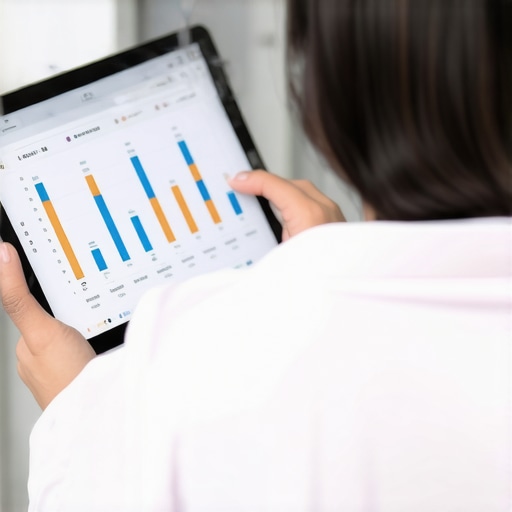
Visual representation of a person reviewing digital lab results on a tablet, illustrating the ease of remote health monitoring.
Many assume that telehealth services fully replace traditional in-person care, but there’s a nuanced landscape that many miss. A frequent misconception is that virtual consultations alone can capture every health nuance; in reality, certain subtle signs, like skin issues or physical abnormalities, are better evaluated face-to-face. This underlines the importance of knowing when digital tools are sufficient and when an in-person visit is crucial—trusting technology blindly can lead to overlooked diagnoses. Recognizing these gaps ensures better health outcomes and prevents misinterpretation of lab results or vaccination needs. For example, some underestimate how lab testing can uncover hidden risks that routine checks miss; understanding the limitations of standard blood tests, especially non-fasting ones, can make a significant difference in disease prevention^1. Advanced wellness involves not just tracking markers but interpreting them correctly, which requires expertise often absent in generic telehealth applications. Moreover, many believe vaccinations are a one-and-done event, but personalized vaccination schedules are vital for optimal protection, especially with evolving pathogen strains^2. Be cautious: not all telehealth platforms adhere equally to privacy standards, so reviewing a provider’s data security policies is essential—see the comprehensive [privacy-policy](https://vitalclinicmd.com/privacy-policy) to avoid potential data breaches. Also, myths around false positives in lab tests or overreliance on single markers can lead to unnecessary anxiety or missed diagnoses. An advanced approach considers a panel of markers and contextual factors, aligning with what experts recommend for nuanced health assessments. Remember, holistic wellness combines accurate testing, expert interpretation, and personalized planning, rather than relying solely on generic online advice. Are you aware of the hidden traps in your current health routine? Let me know in the comments. For more on how telehealth is transforming precise wellness management, visit [here](https://vitalclinicmd.com/revolutionizing-wellness-how-telehealth-transforms-personal-care).Maintaining your health tools over time is crucial for accurate monitoring and effective wellness management. I rely heavily on a few specific pieces of equipment and software to ensure my health data remains precise and actionable. A high-quality digital blood pressure monitor, like the Omron Platinum, is my go-to device for daily tracking. Its validated accuracy and Bluetooth connectivity allow seamless data transfer to my phone, enabling me to review trends over weeks and months. For lab test management, I use the Connective platform, which partners with certified laboratories for at-home testing kits. This service simplifies scheduling, results interpretation, and follow-up, ensuring I stay on top of inflammation markers like hs-CRP without frequent clinic visits.
In terms of software, I utilize the MyFitnessPal app combined with a wearable device, such as the Fitbit Charge, to monitor my activity, sleep, and heart rate. These tools help me identify patterns and adjust my routines proactively. The integration capabilities between these platforms mean I can see correlations between my activity levels and inflammation markers or lab results, which informs my lifestyle modifications.
Looking ahead, I predict that AI-driven health analytics will become more prominent, offering personalized insights based on continuous data streams. Platforms that integrate lab results, wearable metrics, and even telehealth consults will provide holistic health dashboards, making wellness management more intuitive.
**How do I maintain long-term accuracy with these tools?** Regular calibration of devices, staying updated with the latest firmware, and scheduling periodic reviews with healthcare professionals via telehealth are essential. For instance, firmware updates for wearables often include improvements in data accuracy, which I make sure to install promptly. Additionally, annual lab testing with labs connected through telehealth services help verify the consistency of my inflammation markers.
To experiment with this approach, I recommend trying a comprehensive at-home lab kit combined with a reliable digital health monitoring device. Starting with regular calibration and scheduled reviews can make a significant difference in your wellness journey.
For more insights into integrating advanced tools into your health routine, explore [the future of accessible healthcare services](https://vitalclinicmd.com/telehealth-insights-the-future-of-accessible-healthcare-services). Ensuring your equipment stays accurate and your data remains reliable is the cornerstone of effective long-term wellness management.
Reflecting on my journey with telehealth and inflammation monitoring taught me that the most vital health insights often come from subtle clues we overlook. One lightbulb moment was realizing how easily stress can mask as normal lab results when in fact, underlying inflammation quietly damages our health. This understanding shifted my entire wellness strategy—it’s not just about the numbers but about what they reveal beneath the surface. Another lesson was the importance of consistent testing; a single elevated hs-CRP isn’t a death sentence but a call to action. Telehealth platforms make this ongoing monitoring accessible and routine, highlighting the necessity of proactive engagement rather than reactive care. Lastly, discovering how lifestyle tweaks—like diet, sleep, and stress management—directly influence inflammation markers was empowering. This holistic view transforms health from a mere checklist to a dynamic, personalized pursuit.