
Why You Should Request a C-Reactive Protein Test at Your Next Checkup
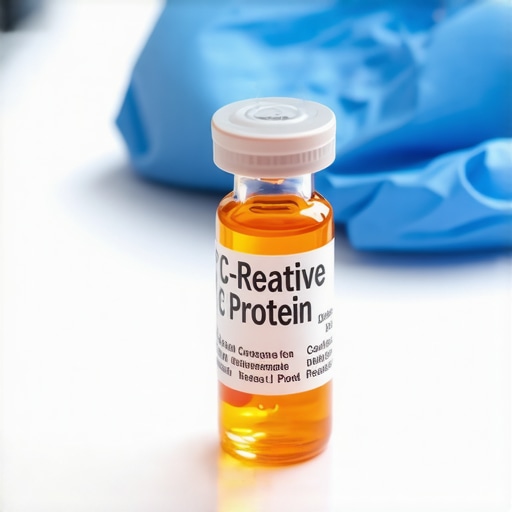
I remember the moment clearly—standing in the pharmacy line, feeling that familiar spike of anxiety when needing to refill my medication. It wasn’t just the wait; it was the nagging thought that perhaps I wasn’t doing enough to understand my health. That day, I realized how often we rely solely on standard tests and overlook crucial markers that could signal underlying issues before they become serious. It was a lightbulb moment: there are simple tests that can give us a deeper understanding of what’s happening inside our bodies, and one of the most valuable is the C-Reactive Protein (CRP) test.
Unlocking the Power of Inflammation Markers
So, what exactly is a CRP test, and why should you care? Essentially, it measures inflammation levels in your body, which can be an early sign of issues like cardiovascular disease or hidden infections. I was surprised to learn that elevated CRP levels are linked to increased risk of heart attacks, even in people without obvious symptoms—something that many overlook during their routine checkups (American Heart Association).
Early on, I made the mistake of thinking that a standard lipid panel was enough to gauge my heart health. While useful, it doesn’t tell the whole story. The absence of inflammation markers like CRP meant I was missing an important piece of the puzzle. This oversight highlighted how critical it is to ask your healthcare provider for comprehensive testing that includes CRP, especially if you have other risk factors or family history.
Could a simple test really change your health trajectory?
If you’ve ever felt uncertain about what your lab results truly reveal or have wondered if there’s more you could do to prevent health issues, you’re not alone. Incorporating CRP testing into your regular health assessments can be a game-changer, providing insights that guide early interventions and lifestyle adjustments. Curious how this works? Let’s delve into what you need to know to advocate for yourself during your next visit.
Now, if you’re wondering whether requesting a CRP test is worth the effort, you’re in the right place. We’ll cover the why, how, and what to do to make sure you’re not overlooking critical signs of inflammation that could be silently damaging your health.
Ask Yourself: Have You Faced This Problem?
Have you ever left a doctor’s appointment feeling like you didn’t get the full picture? Maybe your tests came back normal, but you still felt off? You’re not alone. Many people miss out on essential information because certain inflammation markers or other key tests are not part of routine checkups. If this resonates with you, keep reading—you’re about to discover how to take control of your health by requesting the right tests, starting with the CRP test.
In our next section, I’ll share practical steps to talk to your provider about adding this vital marker to your health assessment. It’s easier than you think to be proactive, and it could very well be a decisive factor in preventing future health crises.
Schedule an In-Depth Lab Panel
My first practical step was to book a comprehensive lab test through telehealth services, which allowed me to skip the clinic waiting room. I chose a panel that includes CRP and other inflammation markers to get a detailed picture of my health. To do this, I visited this resource and prepared my list based on my personal risk factors. The process was straightforward: I ordered the kit online, received it at home, and logged my samples at a local lab, all without leaving my house.
Advocate for Specific Tests During Your Virtual Visit
During a scheduled telehealth appointment, I learned to effectively communicate with my doctor. I explained my concerns about hidden inflammation, referencing studies linking CRP and cardiovascular risks. I asked explicitly for the tests I needed, emphasizing that comprehensive testing isn’t always routine but crucial for early detection. For guidance on what tests to consider, I used this resource.
Interpret Results and Take Immediate Action
Once the lab results arrived online, I used an online platform to review them thoroughly. I referenced this guide to understand what each marker indicated regarding my inflammation and overall metabolic health. Seeing elevated CRP prompted me to adjust my diet, supplement with anti-inflammatory foods, and incorporate stress-reduction techniques. I scheduled a follow-up telehealth visit to discuss further steps, exemplifying how virtual care ensures quick, informed responses without delay.
Build a Routine Using Telehealth for Ongoing Monitoring
Establishing a virtual check-in schedule with my provider enabled me to monitor inflammation levels over time. I set reminders for regular testing, especially if I notice any lifestyle changes or new symptoms. I also explored telehealth services that offer direct access to labs and experts, like this platform, which simplifies the process and keeps my health data current.
Use Technology to Track Your Progress
I employed health apps linked to my test results and telehealth portal, allowing me to visualize trends in my CRP levels and other markers. This approach helped me see if my interventions were effective or if I needed more targeted strategies. It’s like having a personal wellness dashboard, turning complex lab data into actionable insights.
Many believe that vaccinations are only necessary during childhood or that annual lab tests suffice for ongoing health monitoring. However, this oversimplification often leads to gaps in health management. For instance, relying solely on standard tests without understanding the nuances can cause you to miss hidden risks. Vaccines are not one-size-fits-all; personalized schedules, tailored to your lifestyle and health history, can significantly enhance disease prevention, as discussed here. Additionally, many assume that lab tests are only useful when symptomatic, but advanced testing reveals silent issues like inflammation or hormone imbalances before they manifest as serious illnesses. A common mistake is overlooking markers such as CRP or cortisol, which can be pivotal for preventive care. When it comes to wellness, some think that more testing equals better health, but understanding the correct tests and how to interpret them is crucial—hence the importance of consulting experts who can guide you through complex results here. Regarding telehealth, many still perceive it as inferior to traditional in-person visits. Let’s challenge that idea: virtual consultations often provide faster, more convenient access to specialists, especially for chronic management, as explained here. But beware—the hidden trap is assuming remote care covers everything. For instance, some wellness issues require specific tests or physical exams not feasible virtually, leading to incomplete assessments and missed diagnoses. To maximize benefits while avoiding pitfalls, combining telehealth with customized lab testing is essential. As experts highlight, integrated approaches are transforming personalized health strategies, and understanding this interplay can save you from costly oversights. Have you ever fallen into this trap? Let me know in the comments.
Invest in Reliable Monitoring Equipment
To truly master your wellness journey, having trusted tools at your disposal is essential. I personally rely on a high-accuracy digital blood pressure monitor like the Omron Platinum, which offers Bluetooth connectivity for seamless tracking over time. This device has proven invaluable in detecting subtle fluctuations that could indicate underlying issues before symptoms manifest, aligning with research emphasizing the importance of precise blood pressure monitoring (here).
Automate and Visualize Your Data Effectively
Utilizing software like myVitals, a comprehensive health tracking app, allows me to aggregate test results, medication schedules, and workouts into a single dashboard. This integration clarifies trends, such as inflammation levels or hormonal fluctuations, helping me identify when adjustments are needed. The future of health management undoubtedly leans toward AI-driven insights, making it easier to catch issues early and stay proactive.
How do I maintain my health tools over time?
Regular calibration, firmware updates, and honest evaluation of accuracy are critical. My blood pressure cuff, for instance, gets recalibrated every six months or when I notice inconsistent readings. I also schedule annual reviews of my health apps and devices to ensure compatibility with evolving technology, preventing data discrepancies that could skew insights.
Prioritize lab testing and virtual support to sustain your progress
Consistent testing, such as periodic CRP and inflammation markers, combined with telehealth consultations, forms the bedrock of effective maintenance. I use services that connect me to specialists without the hassle of clinic waiting rooms, leveraging telehealth platforms for quick, reliable oversight.
Future Trends: Smarter, More Personalized Wellness
The coming years will likely see wearable biosensors surpassing current standards, providing continuous, real-time health feedback. Devices embedded with electrochemical sensors, supported by advances documented by experts like Dr. Robert B. Hinden (NASA’s biosensor research), could revolutionize how we monitor inflammation, hormone levels, and more – making health maintenance more proactive than ever. To prepare for this shift, I recommend starting with advanced tools like continuous glucose monitors or wearable HRV trackers to get familiar with real-time data.
Try this tip today
Implement a daily routine of logging your vitals using a trusted digital device, then review the data weekly to catch long-term patterns. This small step can significantly enhance your ability to stay ahead of potential health issues and optimize your wellness strategies. Remember, consistent monitoring combined with telehealth support empowers you to keep your health tools working effectively for years to come.
Lessons That Changed My Approach to Health
- Revealing the power of proactive testing, I learned that waiting until symptoms appear often delays crucial interventions. Regular CRP tests showed me inflammation lurking beneath the surface, prompting early lifestyle shifts that prevented actual health crises.
- Understanding that not all lab tests are created equal was a game-changer. I discovered that targeted, comprehensive panels provide insights that standard checkups simply can’t reveal, emphasizing the importance of advocating for personalized health assessments.
- My biggest surprise was how telehealth can be more than just convenience; it’s a strategic tool for ongoing wellness monitoring. Virtual visits, combined with at-home testing kits, enabled me to stay ahead of potential issues without the traditional clinic wait.
My Go-To Resources for Smarter Wellness
- VitalClinicMD’s Lab Tests Guides: I trust their in-depth explanations that demystify complex results, making informed decisions accessible at home.
- Telehealth Platforms: The services that connect me to experts swiftly and reliably, streamlining my health journey.
- Health Tracking Apps: Tools like myVitals where I visualize trends over time, empowering me to take preemptive actions.
- Educational Articles and Studies: Trusted sources like the American Heart Association expand my understanding of inflammation and its role in long-term health.
Your Next Step Starts Today
Taking charge of your health by embracing regular testing, leveraging telehealth solutions, and staying informed is a powerful move toward lasting wellness. Remember, these strategies are within your reach—it’s about making small, consistent actions that create significant change. Start today, and transform your health journey into a proactive adventure rather than a reaction to illness.
What has been your biggest breakthrough in taking control of your wellness? Share your story below—I’d love to hear how you’re redefining health on your terms.
,