
How to Manage Chronic Back Pain Using Virtual Care Tools
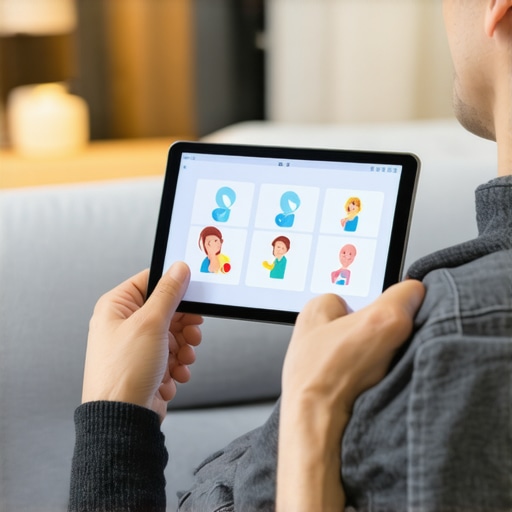
I remember the moment suddenly realizing that my back pain was taking over my daily life. It was a typical morning, trying to stretch before work, when a sharp twinge shot through my spine, making me stop mid-movement. I’d dealt with discomfort before, but this time it felt different—more persistent, more frustrating. The worst part? I felt trapped, unsure whether to reach out for traditional care or try something new. That was my lightbulb moment, seeing firsthand how virtual care tools could become my allies in managing chronic back pain.
Why Managing Back Pain Has Never Been This Accessible
Living with chronic back pain can be an isolating experience. The endless appointments, long waits, and the uncertainty of whether treatments are effective often leave patients feeling powerless. I found myself caught in this cycle, skeptical about whether virtual tools could truly make a difference. But here’s the truth—more and more, people are turning to telehealth and digital wellness strategies to find relief and regain control over their health.
Early mistakes, like relying solely on advice from unreliable sources or delaying professional input, only prolonged my discomfort. I learned the hard way that integrating with trusted virtual care platforms can be a game-changer. According to recent studies, around 60% of patients with chronic conditions find that telehealth offers a convenient, effective way to access their care—without the hassle of in-person visits.
So, if you’re tired of feeling like your pain rules your life, stay with me. In this post, I’ll share how virtual care tools practically helped me—and can help you—manage back pain better. We’ll cover the essential steps to harness telehealth, from understanding your condition to accessing tailored therapies, all from the comfort of your home.
Could Virtual Care Really Be Worth It?
It’s normal to hesitate. I made the mistake early on of thinking, “Will this really work? Is this just a trendy buzzword?” My answer is a resounding yes, but with caution. Virtual care isn’t a magic pill; it’s about strategic use of technology and expert guidance. Starting on this path, I learned, requires careful selection of platforms and a clear understanding of your needs. Want to know how I navigated these challenges and turned virtual tools into my pain management allies? Keep reading, because your relief journey could start right here.
If you’ve ever felt overwhelmed or unsure about whether digital wellness strategies can truly help with chronic back pain, you’re not alone. Many face similar doubts—yet, embracing these new paradigms might be the breakthrough you need. Ready to explore how to use virtual tools effectively? Let’s dive in.
Identify Your Specific Needs
Start by recognizing the exact nature of your back pain—whether it’s acute or chronic, localized or diffuse. I vividly recall a day when I noted my pain worsened after prolonged sitting; this awareness guided my subsequent choices. To get clarity, consider tracking your symptoms and consult a trusted virtual platform to discuss your observations without leaving home. This approach helps tailor your care plan effectively.
Access Reliable Lab Tests Online
Understanding your health baseline is crucial. I learned this when I ordered labs through a telehealth service, which provided tests like inflammation markers and vitamin D levels. Think of lab tests as your internal report card—without needing to visit a lab physically. For personalized results, explore [how lab tests can detect hidden health risks early](https://vitalclinicmd.com/how-lab-tests-can-detect-hidden-health-risks-early-in-your-wellness-pathway): this article helped me understand which tests are essential for back pain and overall wellness.
Leverage Telehealth Sessions Effectively
Book virtual appointments with physiotherapists or doctors specializing in musculoskeletal issues. I used video consultations, which felt just as effective as in-person visits. Treat these sessions like regular check-ins—prepare notes on your pain triggers, previous treatments, and questions. Remember, telehealth platforms like [revolutionize wellness](https://vitalclinicmd.com/revolutionizing-wellness-how-telehealth-transforms-personal-care) enable swift, tailored guidance right at home.
Optimize Your Environment for Better Healing
Create a workspace that supports spinal health—ergonomic chairs, standing desks, or specific stretching zones. I experimented with different setups after my first telehealth visit, which recommended simple posture adjustments. Using visual guides from reputable sources, I adjusted my workstation, significantly reducing my discomfort over time.
Integrate Self-Management Techniques
Incorporate daily routines such as targeted stretches, mindfulness, and proper ergonomics. For example, I adopted a morning stretching routine suggested in online physiotherapy resources, which gradually lessened my stiffness. Combining these activities with virtual coaching, I customized a plan that fit my schedule and eased my pain.
Stay Consistent and Track Progress
Maintain a journal or use digital apps to monitor your pain levels, activity, and triggers. I found that recording my symptoms helped identify patterns and was invaluable during follow-up telehealth sessions. This continuous feedback loop allows for dynamic adjustments, ensuring your management strategy stays effective.
Seek Community and Support Networks
Join online groups or forums dedicated to back pain management, sharing experiences and tips. I connected with others via virtual support groups, which provided motivation and practical advice, complementing my medical guidance. Remember, you’re not alone—virtual communities can bolster your journey toward relief.
By following these concrete steps—starting from needs assessment to consistent self-management—you harness the power of virtual care to control back pain effectively. Each action, much like assembling pieces of a puzzle, brings you closer to a manageable, pain-free life from the comfort of your home.
,
Why Believing in the Superpower of One-Size-Fits-All Solutions Backfires
Many assume that vaccinations, wellness routines, telehealth, and lab testing are foolproof methods to safeguard health. But the truth is, relying solely on generic advice is a common misconception. For example, everyone promotes vaccines as universally necessary, but individualized schedules tailored through personalized vaccination plans prove far more effective in disease prevention, especially for those with unique health backgrounds.
The Trap of Overlooking Nuanced Data in Wellness
There’s a prevalent myth that wellness is just about hitting certain numbers, like weight or cholesterol. However, wellness is deeply personalized and involves a complex interplay of lab markers. Many fall into the trap of focusing on what’s visible or superficial, neglecting subtle but critical factors like micronutrient deficiencies or hormonal imbalances. Delving into comprehensive lab testing can reveal hidden risks missed by standard panels, providing a more accurate health picture.
Telehealth: More Than Just Convenience
While telehealth is often celebrated for its ease, a common mistake is assuming it replaces in-person care entirely. The reality is, virtual consultations offer rich, detailed assessments when combined with proper data, but they require users to understand their symptoms deeply. Advanced users know that preparing detailed histories and leveraging specific virtual tools enhances diagnostic accuracy. Ignoring this nuance can lead to misdiagnoses or missed conditions.
Myth Busting Lab Tests: Are Your Results Trustworthy?
A widespread misconception is that lab tests are infallible. However, test accuracy depends on factors like fasting status, timing, and equipment calibration. For example, poor sample collection can lead to misleading results. Knowing how and when to interpret tests—especially in the context of your symptoms—is crucial. An often overlooked aspect is the value of paired testing that can unearth hidden conditions before they manifest clinically.
Are Vaccinations Truly Critical for Everyone?
Many believe vaccinating everyone indiscriminately is best. However, evidence shows that personalized vaccination schedules considering age, lifestyle, and health status outperform generic protocols. Over-vaccination can sometimes lead to unnecessary immune stress, and under-vaccination increases risk. The key is tailored plans based on individual risk assessments, often through advanced lab tests and health histories.
Understanding these nuances enables smarter health decisions rather than falling for oversimplified myths. If you’ve ever believed that a single shot or routine checkup guarantees your health, think again. Embrace the detailed, personalized approach to truly empower your wellness journey. Have you ever fallen into this trap? Let me know in the comments and share your experience!
Maintaining your health progress requires more than just initial effort; it demands the right tools and consistent habits. Personally, I rely on a combination of high-quality equipment, reliable software, and proven methods that keep my wellness routine effective and adaptable over time.
Smart Wearables for Real-Time Monitoring
I use the Oura Ring because it provides detailed insights into sleep quality, body temperature, and activity levels without being intrusive. Its accuracy in tracking recovery metrics helps me identify patterns and adjust my routines proactively. Unlike generic fitness trackers, the Oura Ring emphasizes holistic wellness, giving me data I trust to inform lifestyle tweaks.
Dedicated Digital Journals for Tracking Progress
My go-to app is Daylio. It allows me to record mood, energy, and symptoms daily with quick entries, making it easy to spot trends over weeks or months. This habit of regular documentation ensures I stay accountable and can present comprehensive histories during virtual consultations, especially when discussing complex issues like nutritional deficiencies or hormonal imbalances.
Trusted Lab Testing Platforms
When it comes to lab tests, I prefer using services like online lab testing platforms that specialize in comprehensive panels. They provide in-home sample collection kits combined with actionable insights. For example, testing vitamin D, ferritin, and hormone levels has become routine for me, ensuring personalized adjustments in my supplement regimen.
The Power of Telehealth with a Strategic Approach
Accessing expert guidance is crucial. I schedule regular telehealth sessions through platforms that prioritize personalized wellness strategies. Preparing detailed symptom logs and tracking data enhances diagnostic value and accelerates customized treatment plans. This synergy of technology and expert input keeps my wellness plan dynamic and effective.
Looking Ahead: Future Trends in Wellness Maintenance
Emerging AI-driven analytics are set to refine personalized health plans further, integrating data from wearables, lab tests, and patient history. Virtual health assistants might soon recommend real-time adjustments, making wellness support proactive rather than reactive. Staying updated with these innovations will be key to long-term success.
How Do I Keep My Wellness Momentum Going Over Time?
Consistency is the secret. Regularly reviewing your data, tweaking routines based on insights, and leveraging advanced tools ensures sustained progress. I recommend trying a comprehensive approach—integrate wearable devices with lab testing and strategic telehealth consultations. For example, scheduling quarterly wellness check-ins or periodic lab re-tests can catch early signs of imbalance before they become issues. Remember, proactive maintenance transforms wellness from a momentary effort into a lifelong habit. Don’t hesitate—start by experimenting with one of these tools today and see how it elevates your health journey.
3 Lessons Vaccinations and Telehealth Taught Me The Hard Way
First, I realized that blindly following generic advice can lead to missed opportunities for personalized care, especially when it comes to vaccinations. Tailoring schedules based on my unique health profile made a noticeable difference. Second, I learned that trusting broad lab panels without understanding their limitations can obscure critical health signals; being proactive in requesting specific tests uncovered hidden risks. Lastly, I understood that relying solely on in-person visits delayed my progress; leveraging virtual platforms for timely interventions kept me ahead of potential issues and empowered my health choices.
My Go-To Arsenal of Wellness Tools That Actually Work
One essential resource is the personalized vaccination scheduling guide, which helped me optimize immunizations. For lab testing, I trust comprehensive in-home lab services that reveal hidden nutrient or hormonal deficiencies. To stay on top of my progress, I use digital health journals, allowing me to spot patterns and adapt quickly. Lastly, I turn to telehealth platforms specializing in personalized care for expert guidance anytime I need it.
Your Next Move: Embrace a Smarter Wellness Journey Today
Every step you take toward personalized vaccinations, targeted lab tests, and virtual care brings you closer to a healthier, more resilient you. Don’t wait for illness to remind you—be proactive and harness these innovative approaches. Remember, health isn’t just about reacting; it’s about building a sustainable routine empowered by the right tools. Are you ready to start transforming your wellness routine with these smarter strategies? Share your plans below, and let’s grow together in this journey toward optimal health.