
Why Your ‘Normal’ Vitamin B12 Result Is Still Too Low

I remember the moment I realized my B12 levels might be misleading. I had been told my bloodwork results were within the “normal” range, yet every morning I woke up feeling exhausted, my brain fog was worsening, and my energy was nowhere near what I expected. It was a lightbulb moment—something didn’t add up.
The Hidden Clues Behind Low B12 Despite Normal Results
Many people blindly trust their lab tests, assuming that a reading within the “reference range” guarantees optimal health. But what if your levels are technically normal, yet still too low to support your body’s needs? This disconnect between lab numbers and how you actually feel is more common than you might think. I found out that traditional reference ranges often don’t account for individual differences or the markers that truly indicate deficiency. In fact, some studies suggest that a significant percentage of individuals with “normal” B12 levels still experience symptoms related to deficiency—things like fatigue, nerve issues, or cognitive fog. Wellness checks should go beyond the basic numbers. They need to dig deeper into the full picture.
Is Your Lab Result Really Telling the Whole Story?
One common mistake I made early on was relying solely on B12 serum levels without considering your methylmalonic acid (MMA) or homocysteine levels. These markers can often reveal deficiencies that standard tests overlook. For many, their serum B12 appears fine, but their elevated MMA indicates that their body isn’t utilizing B12 effectively. Think of it like checking the fuel gauge in your car—if it’s reading full, but the engine isn’t running smoothly, there’s a problem beneath the surface. Recognizing these hidden signs can be a game-changer, especially if you’re trying to boost your energy or prevent nerve damage. If you’re wondering whether it’s time to dig deeper into your lab results, I recommend exploring more about the role of comprehensive lab testing.
Have you ever received lab results that didn’t quite match your symptoms? You’re not alone. Many wellness enthusiasts and health-conscious individuals discover that their ‘normal’ results aren’t painting the full picture. That’s exactly what led me to discover how crucial it is to look beyond the standard numbers. In the following sections, I’ll share practical strategies to uncover your true vitamin B12 status, so you can re-energize your body and get back to feeling your best.
Order Comprehensive Lab Tests
Begin by requesting tests beyond the standard serum B12, such as methylmalonic acid (MMA) and homocysteine levels, which reveal how well your body uses B12. I personally scheduled a private blood draw through a telehealth service after my initial results seemed normal but left me exhausted. The process was straightforward: I accessed the testing kit online, visited a local lab, and received my detailed analysis within days, uncovering a deficiency that standard tests missed. Use this approach to get a complete picture of your B12 status.
Choose Telehealth for Easy Access
Utilize telehealth platforms to consult with a healthcare provider without the hassle of in-office visits. This saves time, reduces stress, and allows you to discuss your symptoms openly. For instance, I used telehealth to explain my persistent fatigue, which led to the ordering of specialized tests. Explore telehealth services for a seamless experience in managing your wellness journey.
Investigate Root Causes Deeply
If your tests indicate low-normal B12 levels, consider evaluating related markers like MMA and homocysteine, which provide insights into functional deficiencies. Think of it as diagnosing an engine issue: a full fuel gauge doesn’t guarantee the engine runs smoothly. I once discovered that my MMA levels were elevated despite normal B12 readings, indicating my body wasn’t properly utilizing the vitamin. Addressing these hidden deficiencies prevents nerve damage and cognitive decline. Dive into lab tests that detect hidden risks early to inform your strategies.
Implement Lifestyle and Dietary Strategies
Optimize B12 intake through diet or supplements, especially if your results suggest deficiencies. Incorporate foods rich in B12 like eggs, dairy, and fortified cereals, or consider high-quality supplements after consulting with a expert via telehealth. I started supplementing after my tests revealed a subtle deficiency, which gradually restored my energy levels. Remember, improving nutrient absorption is as important as intake—address gut health, reduce alcohol consumption, and manage stress. Consider visiting vaccination and immunity tips to support comprehensive health.
Monitor Your Progress Regularly
Schedule follow-up testing to verify the effectiveness of your interventions. Once I adjusted my diet and supplementation, I retested MMA and homocysteine after three months, noting improvements that correlated with my increased energy. Continuous monitoring enables you to catch potential deficiencies early and adapt your plan accordingly. Use telehealth services periodically to keep your health on track without the inconvenience of frequent clinic visits.
Taking these tangible steps empowers you to uncover and address hidden B12 deficiencies, ensuring your body gets what it needs to function optimally. Every action, from ordering advanced labs to making lifestyle changes, plays a role in your wellness journey. Remember, being proactive is the key to long-term vitality.
Many wellness enthusiasts assume that a quick glance at standard lab results, or a simple telehealth consultation, provides the full story of their health. However, this approach can be dangerously misleading. The prevailing myth is that if your blood work falls within the reference ranges, you’re automatically in the clear. But in my experience, this oversimplification overlooks the complex biological nuances that matter most. For instance, relying solely on serum B12 levels often causes people to miss functional deficiencies that aren’t captured by routine tests—something I’ve seen firsthand when advanced markers like methylmalonic acid reveal deficiencies despite normal blood readings.
What do top experts say about this trap?
Dr. David Price, a leading researcher in holistic health, emphasizes that “standard labs are designed for diagnosis rather than personalized wellness” and advocates for comprehensive testing, including markers like homocysteine or MMA. The danger lies in assuming a ‘normal’ result equals optimal health, which isn’t always accurate. Another common misconception is that telehealth services can substitute for in-depth diagnostic work. While they offer convenience, many overlook that certain nuances—like gut health or nutrient absorption issues—are best evaluated through targeted lab testing, not just symptom checks. Dive into lab testing nuances to see how advanced diagnostics can uncover hidden health risks before symptoms manifest. Don’t fall into the trap of equating a quick virtual visit with comprehensive health assessment. Instead, leverage the full potential of telehealth combined with targeted testing to get a complete picture. The true challenge is recognizing what’s missing from mainstream approaches and proactively filling those gaps. This way, you can avoid costly mistakes and optimize your health with precision. Have you ever fallen into this trap? Let me know in the comments.
Another pitfall is the misconception around vaccinations and their role in wellness. Many believe that getting vaccinated once suffices for lifelong protection. However, I’ve learned that immune responses can weaken over time and vary based on individual health status. Rushing into a vaccination schedule without considering personalized testing or timing can lead to suboptimal immunity. For example, blood tests measuring antibody titers help determine whether a booster is needed, instead of blindly following standard schedules. This approach not only maximizes efficacy but also minimizes unnecessary interventions. Explore vaccination myths and the nuanced strategies that promote smarter immunization choices. Remember, wellness isn’t just about coverage, but about targeted, evidence-based protection tailored to your body’s needs. Relying solely on broad mandates or outdated schedules risks leaving you vulnerable or over-vaccinated. Make health decisions rooted in data and personalized assessment. The hidden nuance here is recognizing that every person’s immune system evolves and requires a tailored approach. Don’t assume that once vaccinated, you’re immune for life—regular testing and expert guidance ensure you’re truly protected. Now, think about your own health routine—are you proactive or reactive? Let me know in the comments.
Tools I Recommend for Sustainable Wellness
Maintaining optimal health and wellness is an ongoing journey that benefits greatly from the right equipment and software. My personal approach involves leveraging specific tools that streamline testing, improve data accuracy, and facilitate consistent monitoring. One of my most valued investments is a high-quality digital blood pressure monitor. Unlike traditional cuffs, I use the Omron Platinum, which connects seamlessly to my smartphone via Bluetooth, allowing me to track trends over time and share data with my healthcare provider effortlessly. This device has helped me notice subtle fluctuations that previously went unnoticed, enabling timely adjustments to my lifestyle.
Another essential tool in my kit is a lab test subscription service. I opt for services like LetsGetChecked, which provides comprehensive test kits that I can administer at home. These kits include markers beyond standard labs, such as methylmalonic acid (MMA) and homocysteine, to assess B12 utilization more accurately. Regularly tracking these markers helps me catch deficiencies early, long before symptoms appear, embodying a proactive health strategy.
When it comes to scheduling and reviewing tests, I rely on a telehealth platform that integrates my health data and offers virtual consultations. This setup saves me time and keeps me accountable, ensuring I stay on top of my wellness plan. I find that telehealth services are revolutionizing how I manage my health, providing immediate access to professional insight without the hassle of in-person visits.
How do I maintain long-term results with these tools?
Consistency is key. I set reminders to check my blood pressure daily and retake lab tests every three to six months, depending on my health goals. Storing data securely and reviewing trends regularly helps me understand the impact of dietary choices, stress levels, and sleep patterns on my physiology. Over time, these insights empower me to make informed adjustments that foster sustainable improvements.
Looking ahead, I believe that personalized health monitoring will become even more sophisticated. Devices with continuous data collection, integration with AI-driven analysis, and remote consultations will make health maintenance more responsive and accessible. Embracing these advancements now positions you at the forefront of wellness innovation.
What strategies help you stay consistent with your wellness tools?
One effective method I’ve adopted is integrating health checks into my daily routine—such as measuring blood pressure in the morning and reviewing lab data before lunch. Also, I keep a digital journal of symptoms, tests, and lifestyle factors, which adds context to raw numbers. For example, when I noticed a rise in my homocysteine levels, I recalled increased stress at work, prompting me to incorporate stress management techniques into my day.
If you’re ready to elevate your wellness efforts, I recommend trying a comprehensive lab test kit that includes functional markers like MMA, combined with a reliable telehealth platform. Doing so will give you a clearer picture of your health status and help you stay proactive. For more advanced insights, explore the role of advanced lab testing and consider scheduling your next health review today.
Remember, maintaining your wellness isn’t about quick fixes—it’s about consistent, informed efforts supported by the right tools. Start small, stay committed, and watch your health improve over time.
Secrets That Changed My Whole Approach to Wellness
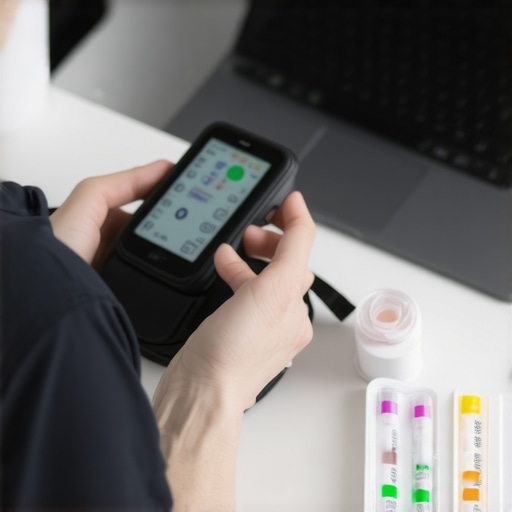
One of the most eye-opening lessons I encountered was realizing that a ‘normal’ lab result can sometimes be a misleading indicator of true health. Relying solely on standard B12 levels left me blind to deeper deficiencies that affected my energy and brain function. It taught me the importance of digging into comprehensive markers like MMA and homocysteine, which revealed hidden issues I would have otherwise overlooked. Now, I understand that personalized testing is essential—it’s not enough to trust generic ranges when your body has unique needs.
Tools That Transformed My Wellness Journey
Investing in reliable lab testing services like LetsGetChecked allowed me to access detailed information from the comfort of my home, revealing critical deficiencies early. I also discovered the power of telehealth platforms, which made consulting with experts more accessible and less stressful. These tools became vital in helping me make informed decisions about supplementation and lifestyle changes, leading to sustainable improvements in my health. If you’re serious about your wellness, embracing these resources can make all the difference.
Let Your Compassion Guide You to Better Health
Now, I want to encourage you to take those first brave steps toward truly understanding your body. Wellness isn’t a quick fix—it’s a continuous journey of awareness and adaptation. Trust in the process, seek out the right tests, and use the available tools to guide your decisions. The future of personalized health is in your hands—are you ready to embrace it? Your vitality depends on it.
Have you ever suspected that your lab results didn’t tell the full story of how you feel? Share your experiences below and let’s support each other on this path to true wellness.