
The Specific Blood Test for Identifying Food Sensitivities That Actually Works

It was a typical busy morning when I finally hit the wall. After years of battling mysterious stomach issues, fatigue, and unexplained weight changes, I felt like I was chasing shadows. I had visited countless doctors, tried endless diets, and endured a barrage of tests—some helpful, many not. Yet, despite all that effort, I wasn’t getting closer to the root of my problems. The breakthrough came unexpectedly, in the form of a specific blood test that is designed to identify food sensitivities—something I’d dismissed as a fad at first.
Discovering the Power of Accurate Food Sensitivity Testing
For years, I relied on elimination diets, which often felt more like a shot in the dark than a targeted approach. I’d eliminate foods for weeks, only to find out later that I might have been avoiding the wrong triggers, or worse, missing the real culprits altogether. It was frustrating, exhausting, and sometimes downright discouraging. Then I stumbled upon a blood test that promised accuracy and science-backed results on food sensitivities. Curious and desperate, I decided to give it a shot.
The results were eye-opening. Certain foods I thought were harmless—like almonds or eggs—were causing inflammation that contributed to my symptoms. What changed everything was understanding that these sensitivities weren’t food allergies, which are immediate and dramatic, but subtle immune responses that can wreak havoc over time. With the guidance of my healthcare provider, I was able to tailor my diet more precisely, avoiding foods that my body genuinely couldn’t tolerate.
This experience opened my eyes to how crucial reliable testing can be in managing underlying health issues. I realized that many people unknowingly suffer from food sensitivities that slip through the cracks of standard allergy tests. And often, early mistakes in identifying triggers stem from relying on guesswork rather than science. That’s when I learned about the importance of choosing the right lab tests—ones that go beyond traditional allergy panels to reveal hidden food sensitivities.
If you’ve ever felt frustrated by persistent health problems with no clear cause, you’re not alone. Many overlook the power of targeted blood testing in uncovering the real culprits beneath the surface. My journey is just one example of how personalized testing can revolutionize your wellness plan, helping you regain energy, reduce inflammation, and feel your best.
Have you ever experienced a food-related health issue that seemed impossible to pin down? If so, keep reading. I’m going to walk you through the essential steps to identify food sensitivities accurately—so you can finally get to the bottom of your own mysterious symptoms.
Pinpoint Your Trigger Foods
Start by scheduling a comprehensive food sensitivity blood test through a trusted healthcare provider. When I did this, I chose a lab that used science-backed methods, similar to the tests described here. The process involves a simple blood draw, which is less invasive and more accurate than traditional elimination diets.
Prepare for Precise Results
Fast for at least 8 hours before your test to ensure accuracy, avoiding foods and drinks that can skew results, like caffeine or sugar. I made this mistake initially—drinking coffee before my test—but later learned from this resource that fasting is crucial. Scheduling your test early in the morning can make this easier.
Interpreting Your Results Correctly
Once your results arrive, you’ll see a list of foods that cause immune reactions, often presenting as elevated antibodies. Think of it like a radar screen highlighting hidden threats—foods you might not suspect, like nuts or dairy, causing low-grade inflammation. I once dismissed my sensitivity to eggs until my results flagged it; cutting out eggs made a noticeable difference in my energy levels.
Consult a Specialist Virtually
If the results are confusing, don’t hesitate to connect with a healthcare provider via telehealth, which offers convenience and expert guidance without the hassle of in-person visits. Platforms like this make it easy to discuss your test findings and plan dietary changes.
Implement Dietary Adjustments Effectively
Based on your results, craft a personalized elimination plan. Remove identified trigger foods gradually, monitor your symptoms, and reintroduce them carefully—preferably under professional supervision. Remember, it’s not about total deprivation but about understanding what works for your unique body. I found keeping a food diary helpful to track reactions, similar to techniques outlined here.
Leverage Telehealth for Ongoing Support
Regular virtual check-ins can help you adjust your diet, reassess symptoms, and ensure you’re on the right track. This approach is especially effective for maintaining long-term health goals without the inconvenience of frequent clinic visits, as described here. Use these tools to stay accountable and make modifications based on your body’s responses.
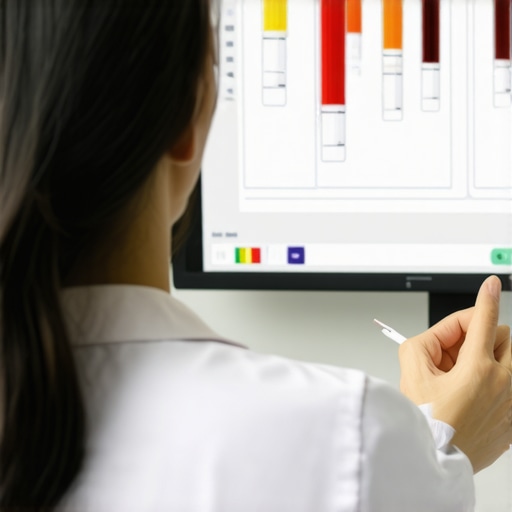 Many people assume that lab tests and telehealth services are foolproof tools for managing health, but the reality is more nuanced. A common misconception is that a single test or virtual consult can fully capture your health status. In truth, over-reliance on standard panels or digital visits without understanding their limitations can lead to misguided decisions. For example, routine blood tests often miss early signs of metabolic stress because they focus on traditional markers like glucose or cholesterol, ignoring emerging indicators such as lipoprotein(a) or insulin resistance markers—details highlighted in studies like here. This oversight may delay interventions that could prevent chronic diseases.
A significant trap in wellness strategies is believing that all labs or health data are universally accurate for everyone. Yet, genetic, lifestyle, and environmental factors influence what markers are most relevant. Personalized assessments, including tailored lab testing and vaccination schedules, are superior, as discussed here. Such customization helps avoid common pitfalls like unnecessary or mismatched vaccines, a topic often misunderstood due to pervasive myths about vaccines, which I explore here.
Many believe telehealth is a second-tier option, but in reality, virtual care can provide comprehensive, personalized support—especially when integrated with advanced lab testing—making health management more accessible and timely. As noted here, telehealth platforms are evolving to include sophisticated diagnostics, remote monitoring, and even AI-driven insights.
Beware of the ‘one-size-fits-all’ mindset, particularly regarding vaccinations. Standard schedules may not suit everyone, especially adults with unique health histories or genetic predispositions. The myth that single, routine vaccines suffice for optimal immunity ignores the benefits of personalized vaccine plans, discussed extensively here. Tailoring these strategies can prevent gaps in immunity and reduce the risk of vaccine-preventable diseases.
In summary, the key to truly effective health management lies in recognizing the nuances—the fact that no test or system is perfect and that personalization makes all the difference. Do you ever fall into the trap of trusting standard tests or generic advice? Let me know in the comments. Remember, a deeper understanding and strategic approach can transform your wellness journey.
Keeping Wellness on Track: Essential Tools and Strategies
Maintaining a robust health routine requires more than just initial testing and consultations; it demands consistent monitoring, smart tools, and strategic adjustments. Over time, I’ve found that leveraging specific equipment and software not only streamlines the process but also enhances accuracy and confidence in your health decisions.
Reliable Lab Testing Kits for Ongoing Insights
Investing in at-home lab testing kits has transformed my approach to wellness. For example, comprehensive testing that targets overlooked markers like lipoprotein(a) or insulin resistance allows me to track subtle shifts early. I personally prefer labs that offer detailed analysis and digital results, enabling me to review data from my device and collaborate virtually with healthcare providers. This ensures I stay proactive rather than reactive, especially as my needs evolve.
Telehealth Platforms for Continuous Support
Virtual services are no longer a temporary solution—they’re integral to long-term wellness management. I use telehealth platforms like these innovations because they facilitate timely check-ins, medication management, and specialist referrals without the hassle of traditional visits. Features like remote symptom tracking and AI-driven health insights further empower me to make data-backed adjustments, maintaining optimal health over months and years.
Smart Health Monitoring Devices
Wrist-worn devices that monitor heart rate variability, sleep quality, and activity levels have given me real-time feedback. By regularly reviewing this data, I can recognize patterns that precede health issues and intervene early. Devices from brands like Fitbit or WHOOP sync seamlessly with my smartphone apps, providing actionable alerts that keep me aligned with my health goals. Integrating these tools with my electronic health records (EHR) ensures comprehensive oversight.
Custom Apps for Personal Tracking and Reminders
I rely on tailored health apps to log food sensitivities, vaccination schedules, and supplement use. Apps like MyFitnessPal or specific custom trackers help me stay organized, reinforce habits, and prepare for periodic reassessments. They serve as digital journals, making it easier to identify triggers or track response to interventions, especially when paired with lab data or telehealth advice.
Future Trends in Wellness Management
As technology advances, I predict an increasing convergence of AI-powered diagnostics, wearable health sensors, and personalized telemedicine. This integration promises even more accurate, real-time insights that adapt to lifestyle changes and biometric trends. The goal is to develop a self-sustaining health ecosystem that requires minimal intervention but delivers maximum precision and support.
How do I keep my wellness tools effective over time?
Regular calibration and updates are crucial. I schedule quarterly reviews of my health data, consult with specialists via telehealth, and stay informed about emerging diagnostic techniques—like advanced metabolomic testing detailed here. Moreover, re-evaluating my equipment ensures accuracy, and I adjust my tracking parameters to reflect changes in my health status.
To get started, I recommend trying a comprehensive lab test for markers you might overlook, like advanced lipid profiles, then pairing that with a telehealth consult to interpret results. Incorporating these tools creates a resilient foundation for your wellness journey—one that adapts, scales, and sustains.
Remember: consistent use of precise tools is key. Why not begin today by reviewing your current monitoring setup and exploring a new testing method? The more data you harness, the clearer your path to optimal health becomes.
3 Surprising Flaws That Block Your Health Breakthroughs
One of the toughest lessons I learned was how my assumptions about standard testing could actually hinder my progress. I believed that routine labs and generic telehealth services would catch everything, but the truth was different. It took a series of deep dives into advanced markers and personalized assessments to realize that many health issues hide beneath standard test results. Accepting that not all data is created equal was a lightbulb moment—the difference between feeling trapped and truly empowered started with recognizing these blind spots.
Why Precision Matters More Than Ever in Wellness
Trusting science-backed, comprehensive tests changed my entire approach. I recommend seeking out labs that analyze markers like lipoprotein(a), insulin resistance, or comprehensive vitamin panels—details often overlooked yet crucial in mapping your health. Combining these insights with telehealth consultations creates a powerful combination, ensuring you’re not just reacting to symptoms but proactively understanding your body. These tools have helped me tailor my diet and lifestyle with confidence, and they can do the same for you.
Embrace the Power of Self-Investment
Investing in your health isn’t just a financial choice; it’s a mindset. Whether it’s purchasing at-home testing kits or scheduling virtual specialist visits, each step builds resilience. Remember, the true value lies in your willingness to understand the subtleties of your body and to act on them. Don’t wait for symptoms to worsen—take that first step today. The most profound health shifts often come from small, consistent actions rooted in awareness and personalized care.