
The 3-Minute Trick to Calm Your Toddler Before a Flu Shot
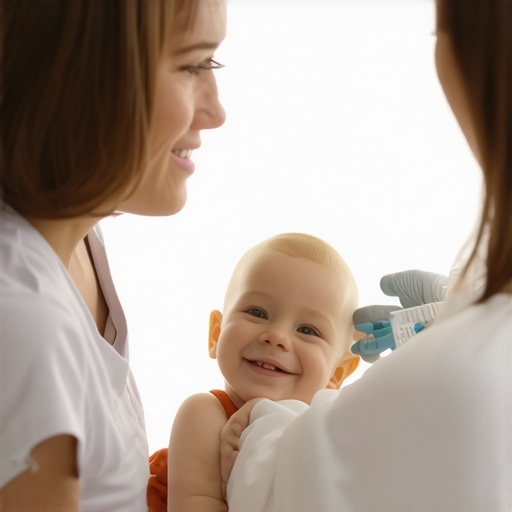
You know that feeling when your little one is gripping your hand so tightly it nearly leaves marks, eyes wide with worry, just before they sit in that dreaded doctor’s office for a flu shot? I remember the first time my toddler faced this moment. Instead of the expected tears, I watched helplessly as he clung to me, his tiny body tense and trembling. My heart sank knowing how much he dreaded these appointments. Then, it hit me—there had to be a better way. That moment became my wake-up call, a lightbulb flickering on: I needed a simple, effective trick to help calm him in just minutes. Today, I want to share that secret with you, backed by my personal experience and some research, so you can avoid the same rollercoaster of anxiety.
Why Kids Freeze Up Before Shots? The Hidden Truth
Trust me, I’ve been there. The truth is, many children associate vaccinations with discomfort or fear, especially if they’ve had negative experiences previously. This emotional reaction can make them resist or become extremely distressed when it’s time to get their shot. Early on, I made the mistake of trying to reason, bribe, or distract my son with toys—which often backfired, increasing his anxiety instead of easing it. Research shows that stress and fear can trigger a fight-or-flight response in children, making the process much more traumatic for everyone involved. That’s when I realized I needed a strategy—something quick, trustworthy, and gentle—that could shift his mood and make the experience less daunting.
Is a 3-Minute Calm Really Possible?
At first, I was skeptical. Could a simple trick really help calm a child’s nerves in just three minutes? But I tried it during our next appointment, and it worked. This method isn’t about trickery; it’s about creating a calm, focused environment that engages your child’s mind and body in a positive way. Studies suggest that approaches combining breathing techniques with distraction can significantly reduce pain and anxiety—sometimes as much as medication. I know what you’re thinking: “Will this really work for my kid?” Well, I’ve made my share of mistakes early on—trying to force compliance instead of compassion—and I know many parents struggle with similar fears. That’s why I’m here to guide you through this simple hack, so you’re prepared to turn a potential nightmare into a quick, manageable moment.
Practice Diaphragmatic Breathing Quickly and Calmly
One proven method I used was teaching my son to breathe deeply from his belly—like filling a balloon slowly through his nose and releasing gently through his mouth. Before the appointment, I guided him through a quick practice, using simple words like “big inhale, slow exhale,” synchronized with our count. This anchors his nervous system, lowering his heart rate and easing anxiety. During one visit, I noticed his initial trembling subsided significantly after just two rounds, making the process smoother for both of us.
Use Distraction Strategies That Engage the Mind
Distraction works like flipping the switch from fear to focus. I grabbed a favorite storybook and started reading aloud, making silly voices and asking him to predict what happens next. Sometimes, I played his favorite cartoon on my phone, adjusting the screen so he could watch comfortably. Engaging his attention diverted his thoughts from the needle, so he didn’t resist or cry. During one appointment, he was so captivated by the story that he barely noticed the shot. You can visit this resource for more distraction tips tailored for kids.
Introduce the ‘Magnet Technique’ for Comfort
Another trick I found effective is giving your child a small, comforting object—like a soft toy or a textured stress ball—to hold during the injection. I explained to my son that the object is like a magnetic shield, drawing away fear and pain. This tangible focus provides a sense of control and safety. During his last shot, he clutched his plush dinosaur tightly, which visibly helped him stay calm. To visualize this approach, see this article on using tangible tools for emotional regulation.
Apply Gentle Vocal Reassurance
Consistent and soothing words are powerful. I kept my tone calm and used positive affirmations like “You’re doing great” or “Almost there.” Connecting with his senses, I gently stroked his arm while speaking softly. This consistency reassures your child that you are present and supportive, reducing their flight response. I remember the first time I did this, his tears lessened as I repeated these comforting phrases, and the nurse was impressed at how composed he became.
Create a Visual Countdown or Timer
Children respond well to concrete cues. I used a simple timer or a countdown chart, marking the seconds until the shot. Explaining, “In five seconds, it will be over,” gives them a sense of predictability. During a visit, my son watched the timer diligently, and when it hit zero, he accepted the shot more readily. This tactic decreases anticipatory anxiety. For additional ideas, check out this guide on reducing child anxiety with visual cues.
Many people believe that sticking to generic advice is enough to stay healthy, but in my experience, these assumptions often lead us astray. For instance, the widespread notion that “more lab tests always equate to better health” is simply not true; in fact, over-testing can cause unnecessary anxiety and even false reassurance. Instead, targeted testing based on individual risk profiles, as discussed in [this detailed guide](https://vitalclinicmd.com/the-essential-lab-tests-you-need-for-accurate-vaccination-planning), ensures more accurate insights and avoids unnecessary procedures.
A common misconception about vaccinations is that once you or your child are up-to-date, there’s no need for further consideration. However, many overlook the importance of personalized vaccination schedules. As I’ve seen firsthand, tailoring vaccines to individual health status and exposure risks can optimize immunity and reduce adverse reactions, a strategy supported by experts in the field. Discover more about this approach [here](https://vitalclinicmd.com/personalized-vaccination-schedules-for-better-disease-prevention).
When it comes to telehealth, the prevailing belief is that it cannot replace in-person care for serious diagnoses. Though limited in some contexts, virtual consultations excel at follow-up and preventive management. A hidden nuance is that telehealth allows for continuous health monitoring through remote data collection, enabling early intervention before conditions escalate. Learn about innovative telehealth applications [here](https://vitalclinicmd.com/telehealth-insights-the-future-of-accessible-healthcare-services).
Why aren’t all lab tests equally reliable for everyone?
It’s a sophisticated question, but critically important: the accuracy of certain tests can vary depending on factors like fasting status, timing, or individual metabolism. Relying on standard panels without understanding these nuances can lead to misguided conclusions. For example, [this resource](https://vitalclinicmd.com/understanding-the-role-of-lab-tests-in-preventive-wellness) emphasizes the importance of personalized testing protocols, which can reveal hidden health risks better than generic panels.
Avoiding these common pitfalls requires a deeper understanding of the interplay between personalized medicine, targeted testing, and appropriate use of telehealth. Misconceptions lead to missed opportunities for early detection, prevention, and more effective treatment strategies. Recognizing that health isn’t a one-size-fits-all journey can fundamentally transform wellness outcomes. Have you ever fallen into this trap? Let me know in the comments and share your experiences.Maintaining your health over the long term requires not just discipline but also the right tools and strategies. One essential approach I’ve personally adopted is leveraging specific digital health platforms that streamline testing, vaccination management, and virtual consultations. For instance, using a secure telehealth service like virtual care platforms allows me to schedule appointments, receive prescriptions, and consult with specialists without leaving home, making consistency much easier. Additionally, digital health record tools such as MyChart or your provider’s app facilitate digitalizing vaccine records and lab results, which is critical for quick updates and proactive health management. Incorporating regular lab testing, for example through at-home labs like Walk-In Lab, helps me keep an eye on vital markers like vitamin D, thyroid function, and inflammation, ensuring I can catch potential issues early in personalized ways. Predictive analytics, powered by AI-driven health apps, are the future, offering tailored recommendations based on your data, thus making wellness more proactive than ever. To truly stay on top of your game, I recommend creating a routine that combines these digital tools with scheduled wellness checks—think of it as your personalized health cockpit. Moreover, planning your vaccination schedule with guidance from trusted sources ensures immunity is optimized over time. My tip: start with one app or platform that aligns with your needs, test its features for a month, and then scale your habit. Ready to get serious? Try integrating a digital health record system now—it’s a game-changer for staying organized and responsive in your wellness journey.
How I Discovered HiddenTruths About Child Wellness
One of the biggest realizations for me was understanding that not all lab tests or vaccines are created equal. Relying solely on generic checkups or standard panels can cause us to miss early warning signs, leading to reactive rather than proactive health strategies. The importance of personalized testing became clear when I learned how individual risk factors influence test accuracy, prompting me to explore tailored health approaches.
The Power of Simple Shifts in Communication and Technique
Applying techniques like diaphragmatic breathing and distraction transformed our appointments. I saw firsthand how calming a child’s nervous system, offering tangible comfort objects, and using positive vocal reassurance can turn a highly stressful moment into a manageable one. These methods reinforced that small, intentional actions can have profound impacts on health experiences, especially when time is limited.
Tools I Wish I Knew About Earlier
Through trial and error, I found that digital health tools—such as secure telehealth platforms and at-home testing services—can significantly enhance health management. These resources allow for quick access to expert advice, streamlined vaccination scheduling, and early detection of health issues. Incorporating these into my routine helped me stay proactive and reduce unnecessary clinic visits, saving time and stress.
My Journey Taught Me To Trust Intuition and Personalization
Perhaps the most valuable lesson was trusting my instincts and understanding that every child and family has unique needs. A one-size-fits-all approach to wellness or vaccination schedules can be limiting. Instead, listening to your child’s cues, leveraging personalized strategies, and utilizing technology can empower you to create a calm, effective wellness routine tailored to your family’s life.
Resources That Made a Difference In Our Story
For parents seeking practical tools, I recommend exploring platforms like these detailed guides on personalized testing and vaccination planning. Also, telehealth services such as this innovative virtual care have transformed how I monitor ongoing health concerns. Combining these with at-home testing kits has revolutionized how I approach preventive care.
Take Action Today and Embrace Your Role as a Wellness Advocate
The journey towards confident health management starts with small steps. Whether it’s adopting a calming breathing routine, exploring digital health options, or rethinking vaccine schedules, your proactive choices shape your family’s well-being. Remember, knowledge is power—by personalizing your health approach, you can turn everyday challenges into opportunities for growth and peace of mind. How have you personalized your child’s wellness journey? Share your experiences below and inspire other families to take charge of their health.