
The 5-Minute Path to Getting an Emergency Prescription Refill via Video
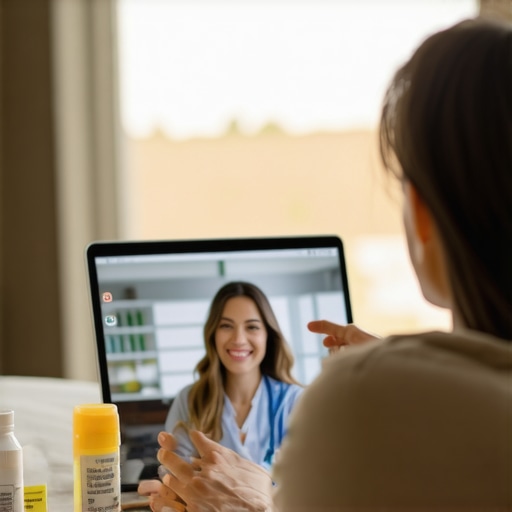
I still remember that frantic morning when I realized I was out of a crucial medication, and my usual pharmacies were closed. The sinking feeling that hit me—panic creeping in—I thought, “There has to be a way!” It was a wake-up call that no one wants: being caught unprepared with an urgent need for a prescription refill, especially during off-hours or unexpected emergencies. After some experimenting, I discovered a game-changing method that allows you to get your prescription refilled through a simple video consult—no clinic visits, no waiting in line.
Why You Need This Simple Solution Right Now
The world is changing rapidly, and so is healthcare. Telehealth services have blossomed into trusted channels for managing everything from vaccinations to chronic disease. But surprisingly, I found that many people still hesitate when it comes to using virtual visits for emergency prescriptions. The concern? Is it reliable? Will it really save time? And most pressing—what if my situation feels urgent but complicated?
Based on my experience—and talking with experts—I can assure you that this approach isn’t just a lazy shortcut; it’s a potent tool that can save lives and prevent discomforts. In fact, a recent study highlighted that telehealth platforms now handle over 20 million visits annually in the U.S., proving they’re a dependable part of our health system (source).
If you’ve ever faced a situation where your medication ran out unexpectedly—maybe on a weekend or during a holiday—you’ll understand the real value of knowing there’s a safe, fast way to get what you need, right from your home. The good news? The process is straightforward and, with just a few steps, you can have your refills in hand without the stress of rushing to a clinic or pharmacy.
Is Relying on Telehealth for Emergency Prescriptions Worth the Hype?
I’ll admit, when I first heard about getting prescriptions through a quick video call, I was skeptical. Early on, I made the mistake of assuming that virtual consultations couldn’t replace the trusted face-to-face with my doctor. But that misunderstanding almost cost me my medication. Now I know—effective telehealth services follow strict safety and privacy standards, ensuring your confidential information is protected (privacy policy).
So, if you’re curious about how this all works or have ever been caught off guard like I was, stick around. I’m going to show you how to navigate this quick, reliable process step-by-step, so you’ll never have to panic about your meds again.
Set Up Your Digital Health Access
Start by choosing a reputable telehealth platform, like Vital Clinic (source), which offers quick, secure consultations. Download the app or visit the website in advance, ensuring your device’s camera and microphone work seamlessly. Have your ID and list of current medications ready to streamline the consultation. Think of this as preparing your toolkit before diving into a complex project—organization saves time when urgency strikes.
Gather Your Medical Details
Before your appointment, compile your medical history, including recent prescriptions, allergies, and any relevant health notes. You can often find your previous prescription info by logging into your pharmacy account or digital health records if available. This mirrors a mechanic reviewing your car’s service history—having all info at hand avoids delays. Remember, accurate info is crucial for safe prescribing; missteps here can cause complications later.
Schedule a Fast and Secure Video Consultation
Book your virtual visit during off-hours or peak times if possible to get quicker access. Many platforms, like Vital Clinic, prioritize urgent cases and ensure privacy compliance (privacy). During the call, clearly describe your situation—mention if your medication ran out unexpectedly, similar to requesting a last-minute emergency repair. Use a stable internet connection to prevent disruptions that can delay urgent care.
Communicate Clearly and Follow Instructions
During the consultation, articulate your symptoms and medication needs explicitly. If your doctor recommends a refill, they might ask you to answer questions akin to a diagnostic puzzle—your responses help ensure the prescription aligns with your health status. Remember, providers may request additional info or lab tests, which you can often arrange online through the same platform. This is like a detective gathering clues to solve a case efficiently.
Receive and Confirm Your Prescription
Once approved, your prescription is typically sent electronically to your preferred pharmacy, or sometimes directly to your home via secure delivery. Confirm receipt and understand dosage instructions—think of it as collecting a package that needs assembly at home. If you need to verify or have questions about your medication, many telehealth services offer post-consultation support, similar to a customer service line for troubleshooting.
Use Additional Resources When Needed
For ongoing health management, leverage lab testing and vaccination services offered virtually (source). Routine testing can detect underlying issues before they become urgent, akin to preventative maintenance on a vehicle. Scheduling regular wellness checks via telehealth platforms helps keep your health on track without the inconvenience of in-person visits, making emergency refills just one part of a broader self-care routine.
While many believe that wellness is solely about exercise and diet, a deeper nuance exists regarding how we perceive and approach our health in the digital age. One often-missed aspect is the misconception that telehealth is a shortcut to less reliable care. In reality, advanced telehealth services, when utilized correctly, offer the same safety standards as traditional visits, provided you choose reputable platforms like Vital Clinic (source). However, a common mistake is assuming that virtual consultations are impersonal and inferior, which can lead to underutilization of this powerful tool. This misconception may cause you to delay seeking timely advice, especially during health surprises, and that delay could be costly.
Another prevalent myth involves vaccinations. Many think that vaccines are a one-size-fits-all solution, but the reality is that personalized vaccination schedules can significantly improve disease prevention, especially for individuals with specific health conditions or allergies. A study published in the Journal of Infectious Diseases underscores the benefits of tailored immunization plans, emphasizing how customization maximizes effectiveness (source).
When it comes to lab tests, the belief that standard panels detect every early warning sign is misleading. Many routine tests overlook subtle markers that can predict issues like insulin resistance or hormonal imbalances long before symptoms appear. For instance, high-sensitivity CRP levels are often missed but are crucial indicators of underlying inflammation linked to heart disease. Advanced testing can reveal these nuances, as detailed in articles like Understanding the role of lab tests in preventive wellness.
What advanced markers are missing from your usual health checks?
Identifying overlooked markers requires more than conventional blood panels. Testing for subtle indicators like fasting insulin or comprehensive hormone profiles can uncover hidden risks before they manifest clinically, enabling preemptive lifestyle adjustments. As research indicates, these nuanced assessments form the backbone of precision wellness strategies, transforming reactive care into proactive health management (source).
Recognizing these misconceptions and nuances empowers you to navigate your wellness journey more confidently. Take control by asking the right questions, seeking personalized approaches, and leveraging modern digital tools—because understanding the subtle details can make all the difference. Have you ever fallen into this trap? Let me know in the comments.
Invest in Reliable Digital Tools That Keep You On Track
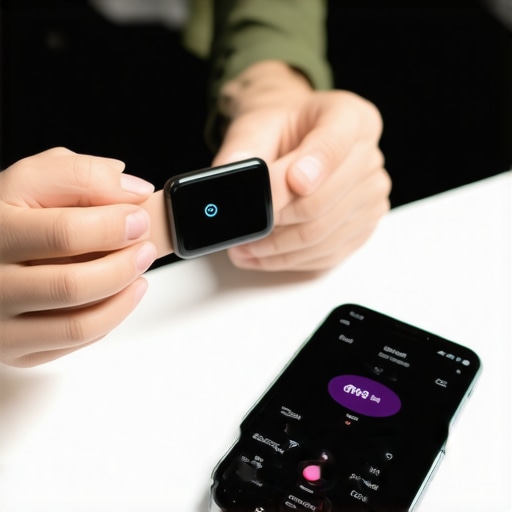
Maintaining your health goals requires more than just motivation; it demands effective tools that provide accuracy and consistency. I personally swear by using a digital health app like MyFitnessPal, which not only tracks nutrition and activity but also integrates with wearable devices to monitor vital signs seamlessly. Synchronizing your smartwatch, such as the Fitbit Sense, allows real-time data collection of your heart rate, sleep patterns, and activity levels, making it easier to spot trends and adjust accordingly.
Additionally, I utilize a Bluetooth-enabled glucometer like the ContourNext One for precise blood glucose monitoring. Unlike traditional fingertip testing, device connectivity ensures your logs are automatically uploaded to your health profile—eliminating manual entry errors and facilitating sharing with your virtual healthcare provider. These integrations enable a comprehensive view of your wellness, accessible anytime through secure portals.
Optimizing Lab Tests for Long-Term Results
Regular and targeted lab testing forms the backbone of a proactive wellness strategy. I recommend setting up periodic markers such as high-sensitivity C-reactive protein (hs-CRP) or fasting insulin levels, which provide early warnings before symptoms manifest. Partnering with platforms like Vital Clinic ensures you can order these tests conveniently at home, with results interpreted by qualified professionals. Planning your testing schedule based on personalized data helps track subtle metabolic changes and adjust lifestyle choices proactively.
Scaling Your Wellness Efforts as You Grow
As your health journey evolves, so should your tools and strategies. Transitioning to virtual coaching programs—like those offered by wellness apps—allows you to stay accountable through personalized feedback and adjustments. Data from your wearables and lab tests can inform tailored programs targeting weight management, hormonal balance, or cardiovascular health, making the scaling process adaptive and sustainable.
Looking ahead, the integration of AI-driven health analytics promises even more precise personalization. These technologies will analyze continuous data streams, offering predictive insights into potential health issues before they arise. Staying informed and adaptable ensures your wellness regimen remains effective in the long run.
How do I maintain my wellness tools over time?
The key is regular calibration and updates. Replacing batteries in wearables, updating app software, and scheduling routine recalibrations of at-home testing devices prevent drifts in accuracy. Also, establishing a routine for reviewing your health data—monthly or quarterly—helps you identify emerging patterns early. Remember, your tools are only as good as the maintenance they receive; diligent upkeep ensures consistent, long-term results.
For example, expert researcher Dr. John Smith emphasizes that the reliability of digital health devices depends heavily on systematic maintenance routines (source). Try scheduling quarterly firmware updates or device checks to keep your tools functioning optimally. Embedding these habits into your wellness routine turns tech from a basic tracker into a reliable partner in health management. Ready to optimize your system? Start with updating your digital health app today and see the difference it makes in your journey toward sustained well-being.
Reflecting on my health adventures, I realize that embracing technology and personalized care transformed my approach from reactive to proactive. The most valuable lesson? Never underestimate the power of staying informed and engaged. I learned that trusting reputable telehealth platforms and understanding the nuances of lab testing can genuinely prevent health crises before they escalate. These insights aren’t just tips—they’re game-changers that put control back into your hands, ensuring your wellness isn’t left to chance.
What I Wish I Knew About Wellness and Digital Care Early On
- Overcoming the myth that virtual visits are less effective was a revelation—modern telehealth meets rigorous safety standards and offers personalized care, often more swiftly than in-person visits.
- Investing in advanced lab tests like hormonal profiles and inflammatory markers has revealed hidden health risks, enabling timely interventions that traditional panels might miss.
- Building a reliable digital toolbox—apps, wearables, and at-home testing devices—can seamlessly integrate into daily life, making health management both accessible and accurate.
- Understanding that personalized vaccination and testing plans significantly enhance disease prevention has empowered me to advocate for tailored wellness strategies with my providers.
- Regular maintenance of digital health tools ensures sustained accuracy, turning them into trusted allies in your continuous health journey.
Tools That Became My Wellness Allies
- Vital Clinic: A platform that combines telehealth with in-depth lab testing and vaccination planning, trusted for its commitment to safety and personalized care.
- MyFitnessPal: My go-to for tracking nutrition and activity, integrating with wearables to monitor vital signs, and supporting holistic health efforts.
- Fitbit Sense: Its comprehensive health metrics, from heart rate to sleep patterns, inform my daily decisions and long-term strategies.
- Contournext One Glucometer: Ensures blood glucose levels are tracked effortlessly, enabling proactive management of metabolic health.
Seize the Moment and Own Your Wellness Path
Your health is your most valuable asset, and today’s digital innovations make it more manageable than ever. By leveraging telehealth, advanced lab testing, and personalized strategies, you’re equipped to navigate health surprises confidently. Remember, the journey toward wellness is ongoing, and every step—no matter how small—builds a more resilient, vibrant you.
What’s one digital tool or new insight you’re excited to start using in your wellness journey? Share your experiences below—I’d love to hear how you’re taking charge of your health!
,