
The Secret to Getting Clear Blood Work Results Every Time
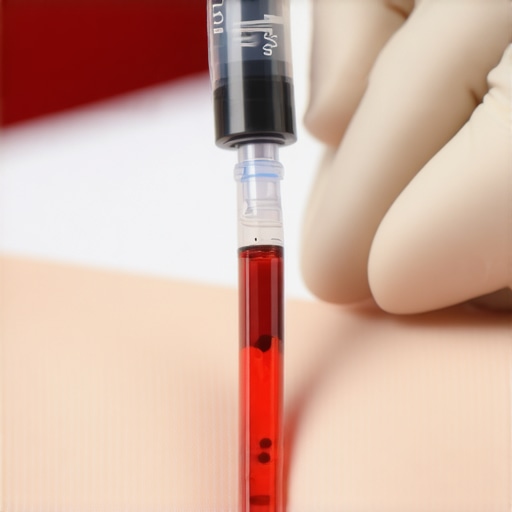
I remember the exact moment I realized I had been getting muddled blood test results for years. It was after a routine wellness check, and my doctor looked puzzled, pointing out discrepancies that didn’t match how I honestly felt. That lightbulb moment made me question everything—why are my results so often confusing or misleading? I knew I wasn’t alone in this struggle. Many people, including myself, face the frustration of ambiguous lab reports that leave us in the dark about our health.
Why Accurate Blood Tests Matter More Than Ever
In today’s fast-paced world, many of us rely on routine blood work to gauge our health, prevent issues before they escalate, or tailor personalized wellness plans. Yet, if these results are inaccurate or inconsistent, they can do more harm than good. Misleading results might cause unnecessary anxiety, delay necessary treatments, or lead us down the wrong path entirely. The good news is, I discovered that with a few key strategies, I could consistently get clear, reliable results—saving time, money, and peace of mind.
Is Your Lab Testing Actually Giving You the Full Picture?
Early on, I made a classic mistake: rushing to lab appointments without preparing my body or understanding what factors could skew my results. This oversight caused repeated setbacks, like misinterpreted vitamin levels or overlooked inflammation markers. Experts agree that many are unaware of how factors like fasting status, medication use, or recent activity can influence lab outcomes. It’s essential to know these little details to get trustworthy results. Curious if you’re doing everything right? I’ll guide you through simple, actionable steps to ensure clarity. And for those interested in a comprehensive approach, check out this resource for a deeper dive into understanding your lab tests.
Prepare Your Body Before Testing
To ensure your blood test results are trustworthy, start with proper preparation. Avoid caffeine, alcohol, and strenuous activity 24 hours before your appointment. Fast for at least 8-12 hours if required—this means no food or drinks besides water. I once made the mistake of having a cup of coffee right before a fasting test, which skewed my glucose levels and led to unnecessary concern. By sticking to fasting guidelines, I received more accurate readings, enabling better health decisions.
Timing Is Everything
Schedule your blood tests early in the morning to minimize the influence of daily fluctuations. Morning fasting tests are generally more reliable for glucose, cholesterol, and hormone assessments. When I booked my tests in the afternoon after a busy day, my cortisol and adrenaline levels looked elevated, giving a false impression of stress. Planning ahead ensures your results reflect your true baseline.
Communicate with Your Lab and Provider
Inform your healthcare provider about medications, supplements, or recent illnesses, as these can affect outcomes. Clarify if fasting is necessary and follow their instructions precisely. Share any recent changes in your health or lifestyle that might influence amino acids, inflammation markers, or nutrient levels. During a recent lab visit, I reminded the technician of my medication that impacts lipid levels, leading to more tailored interpretations.
Leverage Telehealth for Clarifications
If you receive results that are confusing or incomplete, don’t hesitate to consult a telehealth professional. Virtual care platforms allow quick access to experts who can interpret labs and recommend next steps. I once used telehealth to discuss a puzzling vitamin D result, which prompted an adjustment in my supplementation plan without the need for an in-person visit. This approach saves time and reduces uncertainty.
Optimize Test Accuracy with Lifestyle Adjustments
Implement consistent routines—sleep well, manage stress, and maintain a balanced diet—leading to more meaningful results over time. Avoid intense exercise or high-stress situations 24 hours before testing to prevent skewed cortisol or inflammatory markers. I learned that a restful night before my lab day produced clearer results, helping me track progress more effectively.
Maximize Your Results’ Value
Keep a detailed health journal noting factors like recent stress, sleep quality, or illnesses that might influence tests. Sharing this context with your provider can assist in accurate interpretation. For instance, during a period of poor sleep, my inflammation markers spiked, which I correlated later with my journal notes, guiding better lifestyle modifications.
Utilize Resources for Deeper Understanding
Educate yourself with reputable guides on lab tests, such as this resource. Understanding what each marker signifies empowers you to ask informed questions and advocate for accurate testing. Remember, proactive engagement in your health journey enhances the reliability of your results and, ultimately, your wellness outcomes.
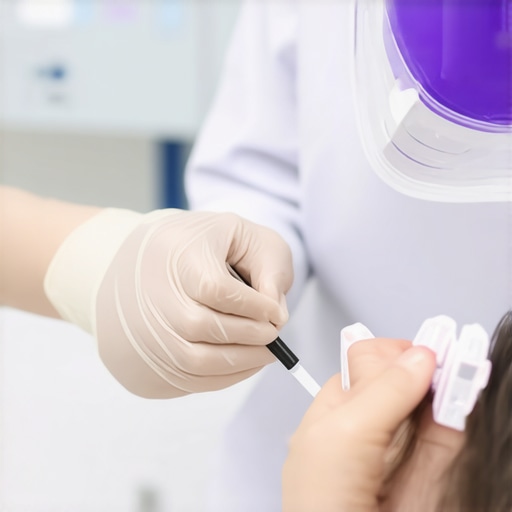
In today’s health landscape, many assume that following standard advice guarantees optimal results. However, beneath the surface lies a web of common misconceptions and overlooked nuances that can undermine our wellness efforts. For instance, a widespread myth is that vaccines are one-size-fits-all solutions. In reality, personalized vaccination schedules, tailored to individual risk factors and health profiles, often provide better disease prevention and minimize adverse reactions. I recommend exploring this resource to understand how customization enhances vaccine efficacy.
Challenging the Routine: The Mistake of Blindly Trusting Standard Tests
Many people rely on generic lab panels without considering advanced or niche markers that reveal early or hidden health issues. A common mistake is assuming that a ‘normal’ result equates to health, ignoring subtler, yet significant, anomalies. For example, standard lipid panels might miss small particle sizes or inflammatory markers influencing cardiovascular risk. Reading about this hormone marker can open your eyes to deeper insights that traditional tests often overlook.
Why Do Some Labs Miss Crucial Information, and How Can We Spot These Gaps?
This question is pivotal for the advanced reader. Many testing protocols fail to include markers like high-sensitivity C-reactive protein (hs-CRP) or detailed micronutrient profiles, which are critical for comprehensive health assessments. A 2021 study in The Journal of Preventive Medicine emphasized that incorporating these nuanced tests significantly improves predictive accuracy for chronic diseases. To avoid the trap of incomplete diagnostics, consider requesting advanced panels and discussing their relevance with a knowledgeable healthcare provider. Learn more about these tests.
Why Oversimplify Telehealth? The Hidden Depths of Virtual Care
Many perceive telehealth as just a convenient alternative for minor issues. But this misconception overlooks its potential for sophisticated, continuous monitoring and targeted interventions. Virtual platforms now enable detailed symptom tracking, remote diagnostics, and tailored treatment adjustments without the need for frequent in-person visits. My own experience with telehealth innovations revealed how effective remote care can be for complex wellness plans. However, a common trap is undervaluing the importance of proactive communication—so always be prepared with detailed histories and symptom journals during virtual visits. This ensures you’re leveraging telehealth’s full potential rather than just its convenience.
In summary, advancing your health journey involves questioning these popular assumptions and recognizing the subtleties that can make all the difference. Have you ever fallen into this trap? Let me know in the comments and share your experiences with overlooked nuances in health management!
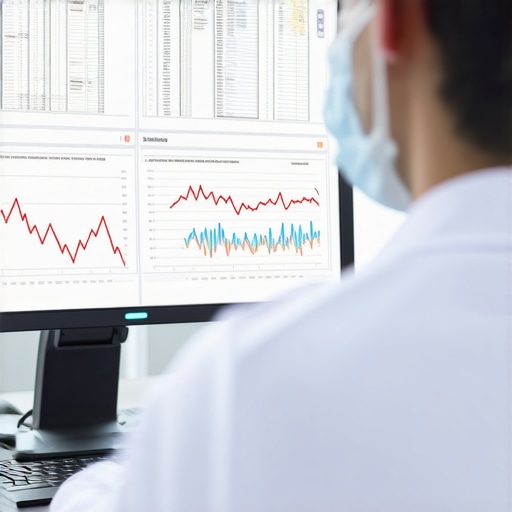
How can I maintain my health tools over time?
Staying consistent with your wellness toolkit requires more than just occasional use; it demands proactive management and periodic updates. I personally rely on a combination of digital platforms and physical tools to streamline my health monitoring. First, I use MyFitnessPal for tracking diet and exercise because its intuitive interface syncs with multiple devices, making daily logs effortless. For lab test management, Race Roster helps me schedule and review tests, ensuring I never miss a crucial check-up. Additionally, I utilize a reliable Bluetooth-enabled blood pressure monitor like the Omron Platinum, which provides accurate readings and stores data automatically, allowing me to analyze trends over time. By regularly syncing these tools and reviewing data weekly, I can catch subtle shifts early and adjust accordingly.
The future of health management tools points toward greater integration
Looking ahead, I predict health tech will evolve towards seamless integration—wearables, telehealth platforms, and lab data will converge into unified dashboards. This will not only enhance real-time monitoring but also empower us to make informed decisions faster. Imagine an AI-driven system that alerts you to anomalies before symptoms emerge, based on continuous data streams. To stay ahead, I recommend implementing systems now that are compatible with such future innovations, like choosing interoperable devices and familiarizing yourself with telehealth services documented here this resource.
What strategies help sustain your wellness tools long-term?
Consistency is key. I make it a habit to review my recorded data every Sunday, ensuring everything functions correctly and my data remains accurate. Backup options, like exporting your app data or maintaining physical logs, prevent loss from tech failures. Keep your devices updated with the latest firmware to avoid security vulnerabilities and ensure optimal performance. Also, periodically recalibrate devices according to manufacturer instructions—this preserves measurement accuracy, which is critical for making health decisions.
Don’t forget to leverage telehealth for diagnostics and support
Virtual consultations are invaluable for interpreting your data, adjusting treatments, or ordering new lab panels. This approach minimizes in-office visits, saving time and reducing stress. For example, I used telehealth to review my recent inflammatory markers, which led to a personalized anti-inflammatory diet plan, detailed here this guide. Regular engagement with telehealth providers ensures your tools and results stay aligned with your evolving health needs. Explore more about innovative virtual care solutions at this article.
Incorporating these strategies and advanced tools can make your wellness journey more reliable and scalable. Start small—try syncing your devices weekly and schedule a telehealth check-in to interpret recent results. Over time, these habits will become second nature, empowering you to maintain lifelong health and vitality.
< >
>
Imagine a single dashboard that consolidates your lab results, activity tracking, and telehealth consultations—this multi-layered approach is where health management is heading. Integrating these technologies can help you catch issues early and stay on top of your wellness goals effortlessly.
,
What I Wish I Knew About Reading My Blood Work
The biggest lesson I learned was that not all blood tests are created equal, and understanding the nuances can save you from unnecessary worry or missed diagnoses. For example, I once neglected to fast properly before a glucose test, which led to obfuscated results. Now, I realize that even small factors like hydration levels or recent activity can significantly influence outcomes. Recognizing these details has empowered me to ask better questions and advocate for more accurate testing, transforming my health journey from guesswork to clarity.
My Go-To Resources for Informed Health Decisions
I rely heavily on trusted tools and guides that have helped me decode complex lab reports. This comprehensive resource offers clear explanations of common and advanced markers, making it easier to discuss results confidently with my provider. Additionally, connecting with telehealth platforms like these virtual care services has provided me with on-demand expert insights, saving time and reducing anxiety. Investing in education and reliable technology tools has been pivotal in maintaining my health proactively.
Embracing the Future of Wellness with Confidence
Taking charge of your health through smarter blood testing and telehealth isn’t just reactive — it’s transformative. I encourage you to start small: schedule your next test with proper prep, keep a health journal to contextualize results, and leverage virtual care to interpret findings. The journey to wellness is ongoing, but with these strategies, you’re better equipped to detect hidden issues early, make informed decisions, and truly optimize your vitality. Remember, your proactive efforts today lay the foundation for a healthier tomorrow.
What’s one step you’re willing to take this week to improve your blood test accuracy or embrace telehealth? Share your plans below — I’d love to hear your experience and support your progress!