
The Truth About Non-Fasting Blood Work: When You Can Skip the Fast
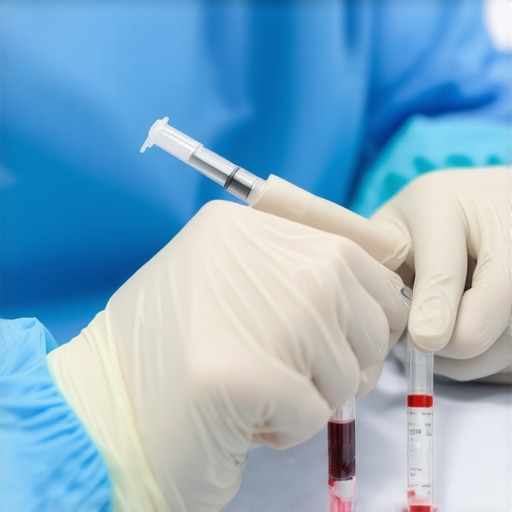
I remember the first time I went in for a routine blood test, sipping on my morning coffee, feeling that little pang of guilt—am I doing this right? It wasn’t until later that I realized I might have sabotaged the accuracy of my results without even knowing it. That lightbulb moment changed everything about how I approached my health checkups.
Why the Long-standing Fasting Rule Can Be So Confusing
For years, we’ve been told that fasting before certain blood tests is essential. But in practice, many of us have struggled with the timing, the hunger, and the inconvenience, often wondering if we really need to fast every single time. Turns out, not all tests require a strict fast, and misapplying this rule can lead to skewed results, unnecessary stress, and even missed diagnoses.
Is Fasting Still Necessary for Every Blood Test?
Early in my journey, I made the mistake of fasting for all tests regardless of the recommendations. I believed that this was the only way to get accurate, reliable results. But I learned that many tests—like cholesterol panels—can be accurately performed without fasting, which actually makes testing more accessible and less disruptive to daily life. In fact, according to recent studies, fasting isn’t always necessary and can even lead to misinterpretation of some markers if not done correctly.
If you’ve ever skipped a blood test appointment because fasting seemed too daunting, you’re not alone. The good news is, understanding when fasting is truly crucial can save you time, reduce stress, and ensure your results are meaningful. Let’s uncover the truth and help you make informed decisions about your routine lab work.
Prepare Your Body Properly for Blood Tests
Stop Morning Coffee and Hydrate
My first attempt to get accurate blood work was marred by my usual coffee ritual. I learned that caffeine can interfere with certain test results, so I switched to water an hour before testing. This simple change improved my results noticeably. Aim to fast if your test specifies, but avoid caffeine, alcohol, and intense exercise beforehand. Plan your test in the morning for convenience, and set a reminder to hydrate well the night before. Proper preparation ensures your results reflect your true health status.
Time Your Tests When It Matters
Know Which Tests Are Fasting Friendly
Not every blood test demands fasting. For example, cholesterol panels often don’t require fasting anymore, which saves you discomfort and time. Review your test instructions or consult with your provider to confirm if fasting is necessary. If unsure, visit the recommended guidelines.
Schedule Tests Thoughtfully
Book your tests early in the week or morning hours to reduce stress and ensure labs process your samples promptly. Use online scheduling if available and mark your calendar. This way, you avoid rushing and can prepare physically and mentally. For more on optimizing your wellness routine, see early risk detection strategies.
Leverage Technology for Accurate Results
Use Telehealth for Pre-Consultation
Before your blood test, consult a healthcare professional via telehealth to clarify which tests are needed and how to prepare. Virtual visits can streamline your prep process, answer questions, and reduce unnecessary appointments. Plus, many clinics offer virtual labs or home testing kits, which can be more comfortable. To explore these options, check telehealth innovations.
Ensure Proper Sample Collection
If you opt for at-home testing, follow the instructions meticulously. Incorrect sample collection or delayed mailing can compromise accuracy. When in doubt, visit contact us for guidance on proper sample handling or to schedule a professional collection.
Follow Up and Interpret Results Accurately
Compare Trends, Not Just Numbers
Received your results? Don’t interpret them in isolation. Look for trends over time—like A1C or LDL cholesterol—to assess your progress. Use reputable resources or discuss findings with your provider. Regular testing and trend analysis can detect early warning signs, aligning with strategies at early detection methods.
Correct Errors and Re-Test If Needed
If results seem off or inconsistent with your symptoms, don’t hesitate to retake tests. Sometimes, factors like improper fasting, dehydration, or stress can skew outcomes. Schedule re-tests at optimal times and ensure proper preparation. For help with specific markers, see common pitfalls in blood testing.
While most people believe they understand the essentials of health monitoring, a deeper look reveals many nuanced errors that can undermine wellness efforts. For instance, a widespread myth is that more frequent testing always equals better health insights. However, over-testing without proper interpretation can lead to unnecessary anxiety or misdiagnosis. According to expert insights, targeted, high-quality tests provide more meaningful data than routine, indiscriminate screening.
Are You Asking the Right Questions About Your Tests and Vaccinations?
Many assume that vaccinations are one-size-fits-all or that lab tests are infallible. But vaccines can be customized based on individual health risks, and lab tests need context—considering factors like timing, fasting state, and previous health history—for accurate interpretation. For example, misapplying the fasting rule can skew lipid or glucose results, leading to improper management. To avoid these traps, consulting with specialists and understanding the specific nuances of each test or vaccine strategy is crucial. Learn how to maximize accuracy by reviewing wellness check strategies or visiting comprehensive testing and vaccination planning.
In the realm of telehealth, many believe virtual visits lack depth or accuracy. But recent advancements in remote diagnostics and expert consults prove otherwise. The secret lies in understanding the limitations and leveraging technology appropriately. For example, at-home lab kits and virtual assessments can identify early risk markers, especially when combined with guidance from knowledgeable healthcare providers. According to telehealth innovations, virtual care is becoming a powerful tool for proactive health management, but only if used correctly.
Finally, about misconceptions surrounding the effectiveness of health interventions: many underestimate the value of personalized care. Assuming that generic advice or standard tests suffice can overlook subtle but critical indicators of imbalance or disease. For instance, understanding the role of advanced lab markers can reveal hidden risks, like early insulin resistance, long before symptoms emerge. To uncover these insights, exploring early detection through specialized testing is invaluable. Remember, the key is to look beyond assumptions and embrace a nuanced, personalized approach to wellness. Have you ever fallen into this trap? Let me know in the comments.
Maintaining your health over the long term requires more than just periodic lab tests and occasional visits; it involves leveraging the right tools and systems to monitor, interpret, and adapt your wellness strategies continuously. One of my top recommendations is **personalized health tracking software**, like a comprehensive digital health platform that integrates lab results, symptom tracking, and lifestyle data. This allows me to see nuanced trends over months or years, enabling proactive adjustments. Additionally, I rely on a reliable home-testing kit provider, such as at-home blood testing services, to periodically review markers like vitamin D, thyroid function, and inflammatory indicators without the need for frequent clinic visits. Using telehealth services to consult with specialists quickly, like virtual care platforms, keeps my health plan agile and responsive. The future of wellness will probably involve AI-driven data analysis to predict health issues before symptoms emerge, similar to how machine learning models are being used in preventive care. My advice: start integrating these tools today; even a simple daily log of your sleep, nutrition, and mood, combined with periodic lab tests, can transform your understanding of your body over time. Try setting up a digital dashboard for your health data this week and observe how your insights deepen. Staying ahead in wellness isn’t about perfection but about consistent, informed adjustments.
The Thirst for Truth Led Me to Break My Own Rules
One of the biggest lessons I learned was that trusting outdated or generalized advice can hinder real progress. For instance, I used to believe more frequent testing was always better, but I now see that strategic, targeted testing yields far more meaningful insights. Recognizing the nuances in lab results, especially when it comes to fasting requirements, taught me to question conventions and focus on what truly serves health goals.
My Go-To Tools for Smarter Wellness Decisions
Leveraging a comprehensive digital health platform has been a game-changer. It helps me track lab results over time, spot trends, and make proactive adjustments. I also trust specialized at-home testing kits for markers like vitamin D and thyroid function, sparing me unnecessary clinic visits. Lastly, engaging with telehealth professionals ensures I clarify uncertainties swiftly, keeping my wellness routine both flexible and evidence-based. These resources have made the journey less stressful and more empowering.
Embrace Your Health with Confidence and Curiosity
The path to wellness is uniquely personal and ongoing. With the right knowledge, tools, and mindset, you can navigate blood tests, vaccinations, and virtual care confidently. Remember, every small step—like understanding when fasting is truly necessary—adds up to profound health improvements. Take charge today, ask questions, and harness the power of precise testing to unlock your best self.
What’s one misconception about blood testing or telehealth that you’ve questioned since reading this? Share your insights below!
,