
How to identify food triggers that cause your skin to flare up

I remember the moment it hit me—the frustration of waking up with fiery red patches, itchy and inflamed skin that seemed to appear out of nowhere. Despite my efforts to eat clean and avoid known allergens, flare-ups still struck without warning. It was as if my body was playing a cruel game of hide-and-seek with my health, and I was losing every round. That lightbulb moment—realizing I was missing the root cause—became my turning point.
Why Finding Your Food Triggers Is the Key to Clearer Skin
If you’ve ever felt hopeless, trying one elimination diet after another, only to be disappointed, you’re not alone. Many folks don’t realize that the foods causing their skin to break out aren’t always obvious. Sometimes, it’s hidden preservatives, sneaky food additives, or even seemingly harmless foods like nuts or dairy that set off a flare-up. The challenge is that everyone’s triggers are different, and pinpointing them requires more than guesswork.
Here’s the good news: once I started paying closer attention and understanding my personal reactions, my skin improved dramatically. No more mysterious flare-ups, no more frustration. I learned that identifying food triggers isn’t just about avoiding certain items—it’s about uncovering the subtle patterns that lead to inflammation. Quick lab tests and virtual appointments, like those offered through telehealth services, can help reveal hidden food sensitivities and allergies. To learn how lab testing plays a pivotal role in this process, check out understanding the role of lab tests in wellness.
Is It Really Worth the Hype to Track Food and Skin Flare-Ups?
Early on, I made a mistake—believing I could diagnose myself with online quizzes and anecdotal advice. Spoiler: that rarely works, and it can actually make things worse. Instead, working with professionals and utilizing reliable lab tests helped me avoid false positives and unnecessary restrictions. Remember, it’s about thoughtful, evidence-based steps, not guesswork. I invite you to share—have you ever tried to figure out your food triggers and felt stuck? If so, you’re not alone. Now’s the time to take control with the right approach, and I’ll guide you through it.
End of introduction and first section.
Schedule Your Lab Tests Carefully
My first practical step was booking a comprehensive allergy and food sensitivity panel through a trusted telehealth service. I learned that lab tests are not just about confirming allergies—they reveal hidden sensitivities that often fly under the radar. When I contacted a specialist, I was guided through the process of selecting the right tests, which involved understanding the differences between IgE and IgG sensitivities. This clear direction helped me avoid costly and unnecessary tests. Implementing this step was messy at first—I forgot to fast, and some results were inconclusive—but books like understanding the role of lab tests in wellness can help demystify the process.
Leverage Telehealth for Expert Guidance
Once my tests were scheduled, I used telehealth consults to interpret results without leaving home. Think of telehealth as having a personal health GPS that guides you through complex data—saving time and avoiding the confusion of online chat forums. During my virtual appointment, my doctor explained which foods elicited immune responses and suggested elimination strategies. This step is like having a personalized map instead of wandering in the dark. The convenience of telehealth in managing wellness makes this accessible and private, especially if you’re worried about in-person visits.
The image illustrates a person engaging in a telehealth video consultation, with symbols representing labs and healthy foods, emphasizing remote expert guidance.
Keep a Detailed Food and Symptom Log
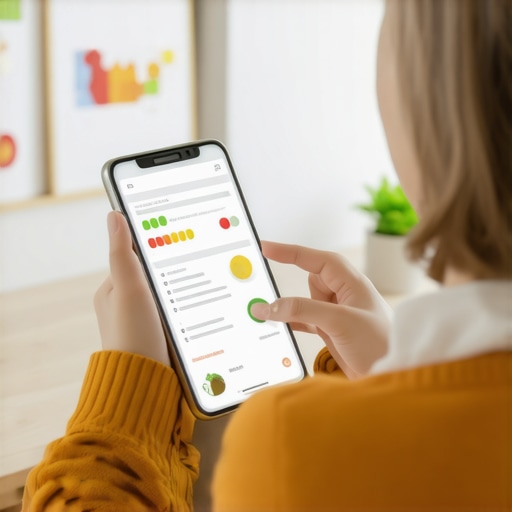
Armed with lab data, I started tracking what I ate daily and how my skin responded. Recording this detail was akin to assembling a complex puzzle—each piece revealing part of the bigger picture. I used a simple app, noting meal times, ingredients, and any flare-ups. Over a few weeks, patterns emerged that no quiz or guesswork could match. Think of your log as a personal detective work, revealing subtle clues that link foods to inflammation. Remember, consistency is key; small daily notes build the evidence needed for concrete conclusions. For tips on maximizing this approach, see detecting hidden health risks through lab tests.
Test and Validate Your Food Triggers
After gathering enough data, I reintroduced suspected foods gradually, observing my skin’s response. This step is critical—think of it as a scientific trial where you control variables carefully. I reintroduced one food at a time, waiting a few days to monitor any reaction, which helped confirm or rule out specific triggers. Documenting these reactions in my log provided undeniable evidence, making it real and actionable. This process resembles a controlled experiment and is much more reliable than online advice or hunches. To deepen your understanding of this method, review regular lab testing in your wellness journey.
Streamline Your Approach with Continuous Support
To keep my progress on track, I kept regular follow-ups with my telehealth provider. Virtual check-ins allowed me to adjust my diet plan and get ongoing insights. This continuous support acts like a health coach in your pocket, adapting strategies as your body changes. Regular testing and consultations create a feedback loop that fine-tunes your understanding, ensuring you’re not flying blind. As with any health strategy, don’t hesitate to revisit your plan periodically; your triggers might evolve over time. For more on integrating lab tests and vaccinations for optimal health, visit maximizing health through combined strategies.
While many people believe they understand the basics of health management through vaccinations, lab tests, wellness strategies, and telehealth, there are crucial nuances and misconceptions often overlooked. One widespread myth is that standard lab panels are sufficient to detect early health issues. In reality, many routine tests miss the subtler markers—like specific metabolic or inflammatory indicators—that could predict future health risks. According to a study published in the Journal of Clinical Medicine, comprehensive testing that includes these often-overlooked markers can significantly improve early detection and prevention measures. Failing to consider these nuances can lead to missed opportunities for intervention.
Another misconception involves vaccinations. Many assume that once vaccinated, there’s no need for personalized schedules or reconsideration based on individual health status. However, personalized vaccination plans that account for specific health conditions and immune responses are increasingly important. For example, emerging research suggests that timing and dosage adjustments, tailored to a person’s unique immune profile, can enhance vaccine efficacy—an approach detailed in recent immunology studies.
When it comes to telehealth, some believe it’s a substitute only for minor issues or quick consultations. Yet, hyper-specialized virtual care can provide in-depth assessments, especially when combined with targeted lab testing. Virtual platforms now integrate advanced diagnostics, allowing for early detection of complex conditions without the need for in-person visits. This evolution challenges the misconception that telehealth is inferior to face-to-face care; instead, it often offers faster, more personalized interventions.
Beware the trap of relying solely on traditional methods without understanding their limitations. For instance, uncritical use of online symptom checkers might lead you to false reassurance or unnecessary panic. Recognizing that some symptoms require nuanced interpretation—often only achievable through expert analysis of comprehensive lab data and personalized health history—is vital.
Furthermore, many overlook the importance of ongoing, proactive wellness monitoring rather than reactive care. Regular, detailed assessments can reveal hidden stressors or dysfunctions early, as noted in holistic health literature. This proactive stance can prevent the escalation of minor issues into chronic conditions, saving time and resources.
So, how can you avoid these pitfalls? The key lies in appreciating that health management should be nuanced and individualized. Telehealth services now offer access to expert guidance, advanced lab testing, and personalized vaccination plans—all crucial for a holistic approach. For those interested in transforming their wellness journey, exploring understanding the role of lab tests can be a good start.
Have you ever fallen into this trap of oversimplification? Let me know in the comments. The more we understand these hidden nuances, the better equipped we are to take control of our health.
How do I maintain my health strategy over time?
Consistency is the cornerstone of long-term wellness, especially when integrating lab tests, telehealth, and immunization schedules. Personally, I rely on a combination of digital tools and disciplined routines to ensure continuous progress. One critical tool I use daily is a comprehensive health app that syncs with my electronic health records, allowing me to track lab results, medication schedules, and vaccination dates seamlessly. Apps like MyChart or Apple Health serve as centralized dashboards, providing instant access to vital data and reminders for upcoming tests or appointments.
Beyond software, I advocate for having a dedicated, organized physical file system—either digital or paper-based—containing lab reports, vaccine records, and notes from telehealth consultations. This manual backup ensures that even if technology fails, your health information remains accessible. Regularly reviewing these documents helps identify patterns or gaps in your care, so adjustments can be made proactively.
My go-to equipment and methods
In the realm of at-home testing, I utilize precise devices like the Everlywell at-home lab kits, which I select because of their specific panels that assess inflammation markers and vitamin levels crucial for immune support. These kits are straightforward, with clear instructions, and deliver reliable results that I interpret through professional telehealth services. The key is choosing tests that are tailored to your personal health risks and consulting with an expert to analyze the data.
For blood pressure and weight monitoring, I prefer devices that sync data directly to my health apps—like the Withings Body+ scale. This automation reduces manual entry errors and provides trend analysis, helping me spot early signs of health deviations that warrant further lab testing or consultation.
Staying ahead with ongoing assessment
Monitoring isn’t a one-time effort. I schedule quarterly wellness check-ins via telehealth to review lab results and discuss any emerging concerns. This consistent engagement with healthcare professionals keeps my health plan dynamic and responsive. Some emerging tools, like remote glucose monitoring devices, are poised to revolutionize management of metabolic health, allowing real-time data sharing with providers without frequent clinic visits.
Looking ahead, the trend is moving toward integrated, AI-powered health platforms capable of analyzing vast data streams—combining lab results, wearable device data, and patient-reported symptoms—to offer personalized health insights. Embracing these technologies now positions you for better preventative care and peace of mind.
Why staying proactive beats reactive care
Proactive health management, especially in the context of vaccinations and wellness labs, involves more than just routine testing. It’s about anticipating potential issues through predictive markers and maintaining open lines of communication with your healthcare team. Regularly updating your vaccination status, scheduling lab tests before symptoms appear, and leveraging telehealth for quick consultations all contribute to sustained wellness.
For example, integrating vaccination schedules with lab testing routines can prevent gaps in immunity, especially when traveling or during outbreaks. Discover how to optimize your approach by exploring strategies for combining vaccinations and lab tests.
Start by implementing a routine where you review your health app weekly, confirm upcoming tests or vaccinations, and schedule telehealth check-ins quarterly. These small, disciplined steps maintain momentum and ensure your wellness strategies stay effective over years.
What I Wish I Knew About Personalizing Wellness Tests
The biggest lesson I learned was that health is deeply individual; generic tests often miss the subtle signals my body was sending. Getting tailored lab panels revealed a whole new layer of understanding, empowering me to make precise changes.
How Telehealth Became My Secret Weapon for Consistent Care
Virtual consultations broke down barriers—geographic, time, and emotional—making regular check-ins effortless. The ability to interpret complex tests from my living room transformed my approach from reactive to proactive.
Why Tracking My Symptoms Like a Detective Changed Everything
Diligently logging foods and flare-ups uncovered patterns I was blind to before. This habit turned vague discomfort into clear data, guiding me to identify and confirm my true triggers.
Resources That Became My Foundations
Understanding the role of lab tests in wellness offered clarity on which panels truly matter and how they guide personalized care. Telehealth innovations continue to evolve, making expert advice more accessible than ever. These resources legitimize my process and offer reliable guidance amidst a sea of information.
My Final Thoughts for Your Wellness Path
Embarking on a journey of personalized health through lab testing and telehealth isn’t just about fixing symptoms—it’s about mastering your body’s signals. The future belongs to those who proactively seek understanding, leverage technology, and remain curious. If I can do it, so can you.