
The specific lab test that catches early insulin resistance

I vividly remember the day I realized I had been ignoring warning signs of insulin resistance for too long. It was a sluggish afternoon, and despite even my best efforts to stay active and eat well, I just felt off—tired, foggy, and yearning for something sweet, even though I knew I shouldn’t indulge. That moment was a lightbulb, but it also brought a touch of anxiety: what if I had been walking around with underlying issues that I couldn’t see yet?
The good news is, there’s a way to detect early insulin resistance — long before it leads to more serious conditions like type 2 diabetes. The secret lies in a specific, often overlooked lab marker that can give you a clear picture of how your body is handling sugar.
Why catching insulin resistance early is a game-changer
Insulin resistance sneaks in quietly, often without obvious symptoms. When it progresses undetected, it can pave the way for chronic health problems, including heart disease, weight gain, and metabolic syndrome. The problem is that many conventional tests miss the early signals, leading to missed opportunities for intervention.
Personally, I made a common mistake early in my wellness journey — relying solely on fasting glucose and A1c tests. These are important but don’t tell the full story of your insulin sensitivity. I wish I had known sooner about the power of a simple lab test called the fasting insulin test, which measures how much insulin your pancreas is producing to keep your blood sugar steady. Research shows that elevated fasting insulin is a very early indicator of insulin resistance, sometimes even years before glucose levels start to rise (source: https://vitalclinicmd.com/how-lab-tests-can-detect-hidden-health-risks-early-in-your-wellness-pathway).
The real challenge? Many health providers don’t routinely order this test unless you’re already showing signs of metabolic trouble. That’s why understanding and requesting this specific lab marker can be a crucial step in your preventive health strategy.
In the sections ahead, I’ll share how you can harness this simple test to spot potential issues early on—and take control of your health before it’s too late. If you’ve ever felt that nagging doubt about your health or wish you could catch problems in their infancy, keep reading. The next steps could genuinely change your life.
Order the Right Lab Tests Without Hassle
Start by requesting a fasting insulin test during your next blood work appointment. Think of this as checking the engine oil of your car—if it’s low or dirty, trouble might be brewing. Contact your healthcare provider or use telehealth services to easily arrange this test via telehealth. If you’re unsure how to prepare, fast for 8-12 hours, avoid excessive carbs, and stay hydrated—these steps ensure accurate results and prevent fasting mistakes that can mislead your assessment.
Interpreting Your Results Accurately
Once your fasting insulin result arrives, compare it against healthy ranges: ideally, it should be below 10 uU/mL. An elevated level signals your body is producing more insulin to manage blood sugar, a red flag for insulin resistance. Think of it as a thermostat working overtime—your body is trying harder to keep your blood sugar steady. Pair this with fasting glucose and A1c tests to get a fuller picture. Remember, these lab markers are a roadmap that guides your next steps, much like a GPS avoiding traffic jams.
Take Action Before It’s Too Late
If your fasting insulin or other markers indicate resistance, implement targeted lifestyle changes immediately. Focus on reducing refined carbs, increasing fiber, and incorporating physical activity—each step acts like opening a window to improve your metabolic health. To streamline your efforts, consider personalized vaccination schedules and wellness checks that can bolster your overall health here. Regular monitoring over time, using at-home testing kits or follow-up lab work, helps track progress—think of it as tuning your engine for peak performance.
Leverage Telehealth for Consistent Monitoring
Using telehealth platforms, you can consult with specialists who interpret your labs and advise adjustments without the need for frequent clinic visits. It’s like having a health mechanic remotely inspecting your engine, providing quick fixes and maintenance tips. This approach is especially useful for managing persistent issues or understanding complex results. The future of wellness lies in these virtual connections, making early detection and intervention more accessible than ever here.
While many believe that telehealth, lab tests, and vaccinations are straightforward tools for health management, there are nuanced pitfalls and common myths that can undermine their effectiveness. For instance, a widespread misconception is that all lab tests are created equal; in reality, understanding the subtle differences—such as the importance of specific markers like fasting insulin—can dramatically alter your health prognosis. Relying solely on basic panels may miss early warning signs of metabolic issues, which emphasizes the need for targeted testing grounded in evidence-based practices, like those detailed in early detection markers.
A common trap in telehealth is assuming virtual consultations are inferior to in-person visits. However, advancements have made remote diagnostics as reliable as traditional methods—especially with the integration of at-home testing kits and continuous monitoring devices. The key lies in understanding that telehealth is not just a convenience but a sophisticated approach that, when utilized correctly, offers personalized and immediate insights, as explored in telehealth innovations.
Myths around vaccinations persist, such as the belief that they cause more harm than good. Yet, experts emphasize that spaced and personalized vaccination plans, based on individual health data, optimize immunity and minimize risks. Details like scheduling and marker-based assessments are often overlooked, but as highlighted in personalized vaccination scheduling, they significantly enhance preventive health.
So, what about the advanced mistakes that even seasoned health enthusiasts can make? One example is misinterpreting lab results without understanding the context of their reference ranges or the nuances of numerical changes. For example, an isolated normal result might mask underlying issues that show up only when viewing the full pattern across multiple tests—like fasting insulin, glucose, and A1c levels together. This is why comprehensive insights require a nuanced understanding, as discussed in wellness check strategies.
By approaching these tools with a nuanced perspective—questioning common assumptions and understanding the subtle interplay of different markers and strategies—you can truly optimize your health journey. Remember, superficial views often miss the deeper signals your body provides. Dive deeper, stay informed, and personalize your approach for the best results. Have you ever fallen into this trap? Let me know in the comments.
Keep Your Wellness Tools Sharp and Effective
Once you’ve integrated advanced testing methods like fasting insulin assessments and harnessed telehealth platforms for regular monitoring, it’s crucial to develop a routine that sustains these practices over time. Personally, I rely on a combination of user-friendly digital health apps such as MyFitnessPal and Apple Health to track my diet, activity, and lab results, ensuring I stay aligned with my health goals. These tools not only provide real-time feedback but also send reminders for upcoming tests and appointments, vital for consistent health management.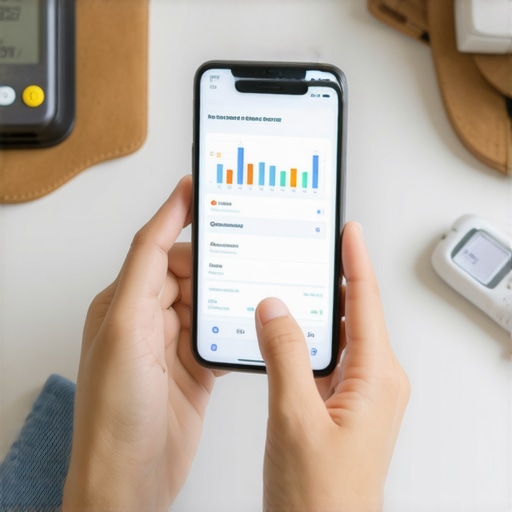
How do I maintain my health assessments over time?
A practical approach involves scheduling periodic lab tests—ideally every 3-6 months—to monitor biomarkers like fasting insulin, glucose, and A1c. Leveraging telehealth services for follow-ups ensures you receive expert interpretation without the hassle of frequent clinic visits. Additionally, keeping a health journal—digital or paper—can help identify patterns or triggers that static numbers might miss. Remember, the goal is to create a feedback loop where data informs your lifestyle adjustments, enabling sustained metabolic health and overall well-being. Looking ahead, the trend is heading toward more integrated health monitoring devices—like continuous glucose monitors—that seamlessly connect to telehealth platforms for real-time insights, making long-term maintenance increasingly effortless. For instance, real-time data from continuous monitors has been shown to significantly improve insulin sensitivity when paired with professional guidance (source). To get started, I recommend trying out a comprehensive at-home testing kit for fasting insulin and pairing it with scheduled telehealth consultations. This proactive step allows you to stay ahead of potential issues and fine-tune your wellness plan effectively.
What I Wish I Knew About Early Signs of Insulin Resistance
Discovering that subtle warning signs of insulin resistance can be overlooked taught me the importance of proactive testing. It was a game-changer when I learned about fasting insulin levels, a marker that reveals issues long before symptoms appear—saving me from future health problems and empowering me to take control early.
My Eye-Opening Lessons About Health Data
Relying solely on standard tests like fasting glucose or A1c was a mistake I made. The real insight came from understanding how fasting insulin offers early detection, which could be a vital part of your preventive strategy too. This experience underscored the necessity of personalized testing and knowing what markers truly matter.
Where I Went Wrong and What You Can Do Differently
Assuming that routine checkups tell the full story can lead to missed opportunities. Instead, I now request specific markers like fasting insulin, paired with other tests, to get a comprehensive health picture. This approach guides smarter decisions—think of it as getting the full map, not just the highlights.
Prioritizing Your Genetic and Lifestyle Factors
Understanding that early detection tools must be combined with lifestyle adjustments—like diet, exercise, and personalized vaccination plans—can make a significant difference. Combining these insights helps you build a resilient foundation, much like tuning your health engine for peak performance.
My Resource Arsenal for Smarter Wellness Choices
- VitalClinicMD’s Lab Panel Recommendations: Their targeted tests, such as fasting insulin, are essential for early detection and are trusted for accuracy and relevancy.
- Telehealth Platforms: Leveraging virtual consultations ensures expert interpretation and ongoing monitoring without extra hassle, making health management seamless.
- Educational Resources: Books and articles from reputable sources deepen understanding of metabolic health and preventive strategies, fostering informed decisions.
- At-Home Testing Kits: Simple, reliable tools to track your biomarkers between appointments keep you engaged and proactive.
Embrace Your Power to Transform Wellness
It’s never too early to take charge. By integrating advanced testing, personalized vaccinations, and consistent virtual care, you can redefine your health journey. Remember, your proactive steps today lay the groundwork for a healthier, more vibrant tomorrow. Ready to act on what you’ve learned? The path to optimal wellness awaits—your next move could change everything.