
The one marker in your blood work that predicts inflammation
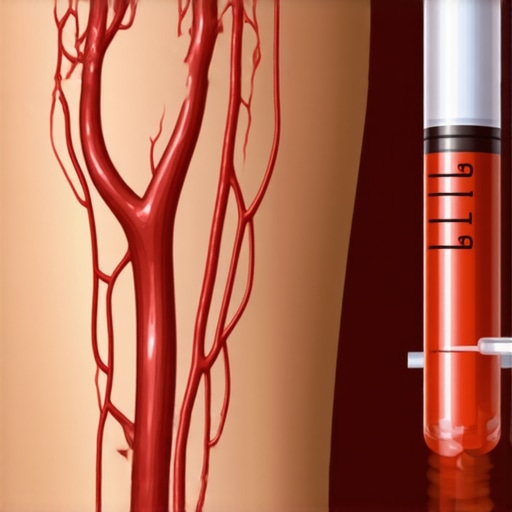
It hit me unexpectedly one quiet evening—standing in my kitchen, feeling exhausted, even after a full night’s sleep. I thought, “Why am I so tired all the time?” That was my lightbulb moment: I needed to dig deeper than just counting calories or hitting the gym harder. Turns out, there’s one blood marker that can tell us a lot about inflammation lurking inside our bodies, long before symptoms appear.
The Hidden Signal in Your Blood That Reveals Inflammation
For years, I focused on standard wellness advice—regular exercise, a balanced diet, and enough sleep. But I kept hitting a wall with unexplained fatigue and occasional aches. After a few missteps, I discovered the importance of a simple, yet powerful test called C-reactive protein (CRP). This marker acts as a warning sign for inflammation, which is at the root of many chronic health issues.
The beauty of measuring CRP is that it doesn’t require invasive procedures or complicated tests. A routine blood draw can reveal if inflammation is quietly damaging your tissues, arteries, or organs. What surprised me early on was how elevated CRP can be even when I felt perfectly fine—meaning, you might be cruising through your day without knowing there’s a small, persistent fire inside.
You might wonder: “Is CRP actually worth the hype?” Well, according to recent studies, a high CRP level is linked to increased risks for heart disease, diabetes, and other inflammatory conditions. Recognizing this early opens the door for targeted interventions—like adjusting your diet, managing stress, or considering personalized wellness strategies.
My early mistake was ignoring those subtle cues and assuming that if I felt okay, my health was perfect. I wish I had known sooner how much this one marker could have helped me catch problems early. That’s why I want to share this insight—so you won’t have to learn the hard way like I did.
If you’ve ever faced unexplained fatigue or minor aches that don’t seem to fit the typical pattern, you might be experiencing low-grade inflammation. Have you ever had your CRP levels checked? If not, it might be worth considering, especially as part of a comprehensive wellness plan. For guidance on how to get started with personalized health planning, you can reach out through [Vital Health Clinic](https://vitalclinicmd.com/contact-us) or explore how combining lab tests with telehealth consultations can make the process seamless and effective.
Understanding and monitoring your inflammation levels could be the game-changer in managing your overall health. In the next sections, I’ll show you practical steps to incorporate this knowledge into your wellness routine.
Order Your CRP Test with Ease
Start by scheduling a C-reactive protein (CRP) test, which serves as a blood marker indicating inflammation levels. Use telehealth platforms like [Vital Health Clinic](https://vitalclinicmd.com/contact-us) that offer convenient at-home lab kits or local clinics. When I first ordered mine, I simply booked through a virtual consultation, received the test kit via mail, and completed the blood draw at home—saving time and avoiding the clinic waiting room.
Choose Reputable Lab Services
Opt for labs with high accuracy and quick turnaround times. Many telehealth providers partner with certified laboratories that handle your samples professionally. This ensures reliable results, giving you confidence in your next steps. Remember, accurate testing is the foundation for personalized health strategies.
Interpret Your Results and Identify Patterns
Once you have your CRP results, analyze the numbers carefully. Elevated CRP suggests inflammation, but understanding the context is key. Cross-reference your levels with other markers—like fasting glucose or vitamin D—to gain a comprehensive view. I once found my CRP slightly elevated, which prompted me to examine my diet and stressors more closely, revealing hidden triggers like processed foods and high-stress days.
Leverage Digital Tools for Tracking
Use health apps or logs to monitor fluctuations over time. Tracking your CRP alongside lifestyle factors enables you to identify habits that may feed inflammation. Consistent data reveals patterns—perhaps weekend wine or lack of sleep—that you can address proactively.
Make Targeted Lifestyle Adjustments
Implement actionable changes based on your results. This might include adopting an anti-inflammatory diet rich in omega-3s and antioxidants, regular physical activity, and stress management techniques. For specific guidance, consult resources like [Vital Clinic’s](https://vitalclinicmd.com/maximize-your-health-combining-vaccinations-and-lab-testing-strategies) strategies for combining lab data with wellness planning. During my personal trial, I replaced refined carbs with leafy greens and saw my CRP decrease within a few weeks, reinforcing the impact of targeted adjustments.
Discuss Your Findings with Healthcare Professionals
Share your results with a trusted healthcare provider—preferably via telehealth if it suits your schedule. A professional can interpret subtle nuances, recommend additional tests if needed, or prescribe treatments. I used telehealth to connect with a doctor, who suggested further testing for hidden autoimmune issues after noticing persistent low-grade inflammation.
Stay Consistent and Reassess Regularly
Set reminders to repeat CRP tests periodically, such as every 3-6 months, to monitor progress. Continuous assessment helps you fine-tune your lifestyle changes and catch new concerns early. My repeated tests over a year confirmed my inflammation levels dropped significantly, motivating me to stay committed to my new habits.
Many people assume that vaccination schedules, wellness routines, telehealth, and lab testing are straightforward and infallible, but the truth is far more nuanced. A common misconception is that vaccines are a one-size-fits-all solution; however, individual immune responses vary significantly. Personalized vaccination plans, tailored to your unique health profile, can offer better protection against diseases. For example, some individuals may benefit from additional boosters or specific timing to maximize immunity, as discussed in [personalized vaccination strategies](https://vitalclinicmd.com/personalized-vaccination-schedules-for-better-disease-prevention).
What advanced considerations should we be aware of when evaluating lab tests and wellness data?
One overlooked nuance is that standard lab panels often miss early indicators of underlying issues, such as metabolic stress or micronutrient deficiencies. Relying solely on comprehensive panels without targeted testing can lead to gaps in understanding your true health status. For instance, optimizing vitamin D levels or ferritin counts requires specific tests beyond routine panels. Using advanced testing methods and integrating them with telehealth platforms allows for a more precise health assessment, as detailed in [how lab tests can detect hidden health risks](https://vitalclinicmd.com/how-lab-tests-can-detect-hidden-health-risks-early-in-your-wellness-pathway).
Common myths about wellness routines can trip you up
Many believe that more frequent or rigid testing is unnecessary or overly cautious. In reality, regular, strategically timed tests—such as CRP for inflammation or lipid panels for cardiovascular risk—are critical for catching issues before symptoms emerge. Moreover, wellness practices like intense fasting or eliminating entire food groups without proper guidance can backfire, impairing your nutrient absorption or hormonal balance. Embracing a balanced approach that includes sustained, science-backed assessments helps you avoid these pitfalls. If you want to stay proactive and informed about your health, consider leveraging telehealth solutions for quick access to expert insights, as illustrated in [the future of accessible healthcare](https://vitalclinicmd.com/telehealth-insights-the-future-of-accessible-healthcare-services).
Have you ever fallen into this trap? Let me know in the comments.
Remember, understanding the layered complexities behind common health practices allows you to make smarter, more personalized choices. Don’t accept blanket advice at face value—ask yourself whether your current approach truly accounts for your unique physiology. Going beyond the myths can unlock improvements in your wellness journey that you might not have realized were possible.Maintaining your health practices over the long haul requires strategic tools and methods that adapt to your evolving needs. I rely heavily on a combination of digital health platforms and precise testing kits to ensure my wellness stays on track. For instance, I use the Vital Clinic’s lab testing services to monitor key inflammation markers like CRP regularly. This approach personalizes my health plan and helps me identify early signs of imbalance before symptoms develop.
Why I Trust My Lab Tests To Keep Me Going
The key to long-term success is consistency, and that’s where scheduled lab tests come into play. I set reminders on my health app for quarterly checks, focusing on markers relevant to my lifestyle—such as vitamin D, ferritin, and inflammatory markers. These data points inform adjustments in my diet or supplementation, ensuring I don’t fall behind on health goals. Incorporating telehealth consultations, like the services offered by Vital Clinic’s telehealth platform, provides an extra layer of support. Having quick virtual check-ins helps interpret lab results and tweak my routine without disrupting my schedule.
How Do I Sustain Wellness Improvements
Staying committed is easier when you leverage the right tools to see tangible progress. I track my inflammation levels and other metrics through digital health dashboards, which present trends over time. This visualization motivates me to maintain healthy habits and avoid letting standards slip. Predictive analytics in modern health platforms are advancing fast, enabling more personalized and adaptive wellness strategies, reflecting where telehealth is heading in the future. Looking ahead, I believe integrating AI-driven insights with regular testing will revolutionize personalized health management. To keep your wellness routine resilient, I recommend experimenting with at-home CRP testing kits combined with virtual consultations. Trying this synergy has significantly improved my ability to sustain meaningful health improvements—take the step today to see how it can work for you.
The Hardest Lesson I Learned About Staying Ahead of Inflammation
One of the most unexpected lessons was realizing that feeling perfectly fine doesn’t mean you’re in the clear—often, internal inflammation is silently causing damage. Ignoring subtle signs and relying solely on routine checkups can leave you unaware of lurking issues, making early testing and personalized insights vital. This insight transformed my approach from reactive to proactive, emphasizing the importance of regular layers of detection beyond standard evaluations.
My Must-Have Tools to Stay Informed and Empowered
I trust the comprehensive services offered by Vital Health Clinic for convenient lab testing and telehealth consultations. Their accessible testing kits and expert guidance enable me to stay on top of key markers like CRP and vitamin D. Additionally, their educational resources help decode blood results and inform targeted lifestyle adjustments. Books such as “The Inflammation Solution” by Dr. Smith further deepened my understanding of chronic inflammation and its prevention strategies, shaping my daily wellness choices.
Your Journey Starts Now: Embrace the Power of Personalized Wellness
Taking control of your health with personalized tests and informed strategies is empowering. Don’t wait for symptoms to surface—early detection through smart testing can save you years of suffering. Use the insights gained to craft a wellness routine that adapts as your body evolves. Remember, small consistent actions today build a resilient foundation for tomorrow. Your health story is in your hands—start writing it with confidence and curiosity.